
Large Leaf Ceiling Fans
Large leaf ceiling fans get their look from broad, botanical blade shapes that suit tropical and natural-style rooms. The fans listed here now have standard ABS, plywood or aluminum blades instead, so choose them by span, airflow and finish. Read the buying guide
15 products
15 products
Products
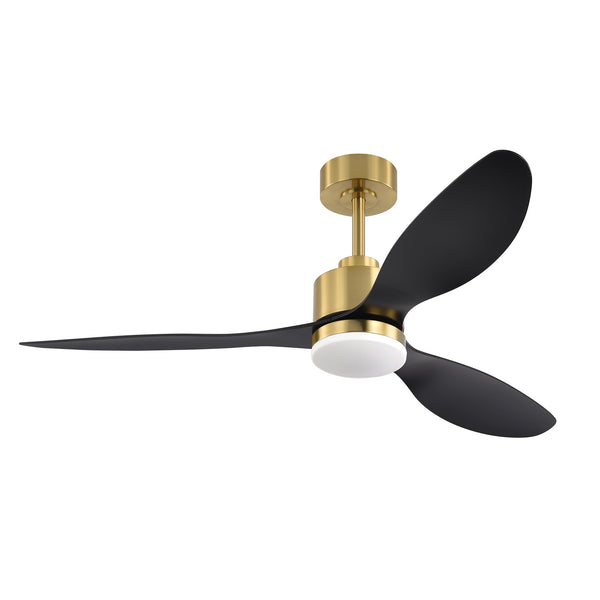
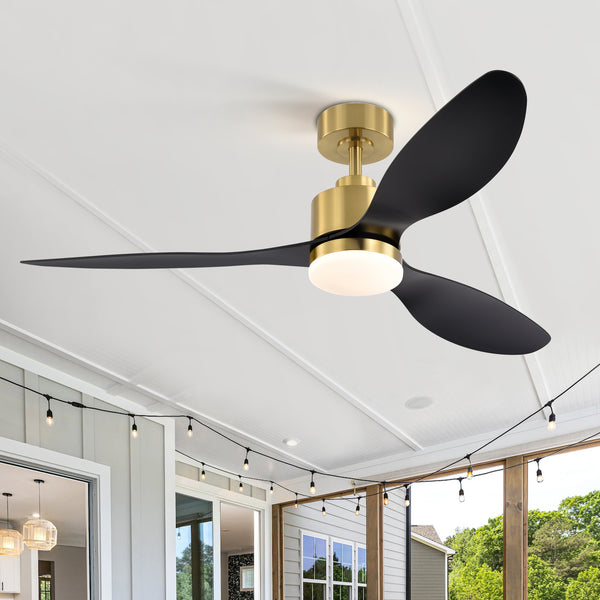
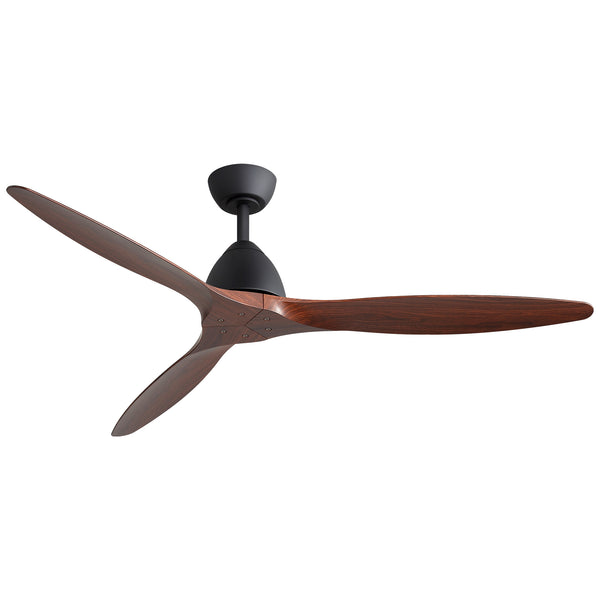
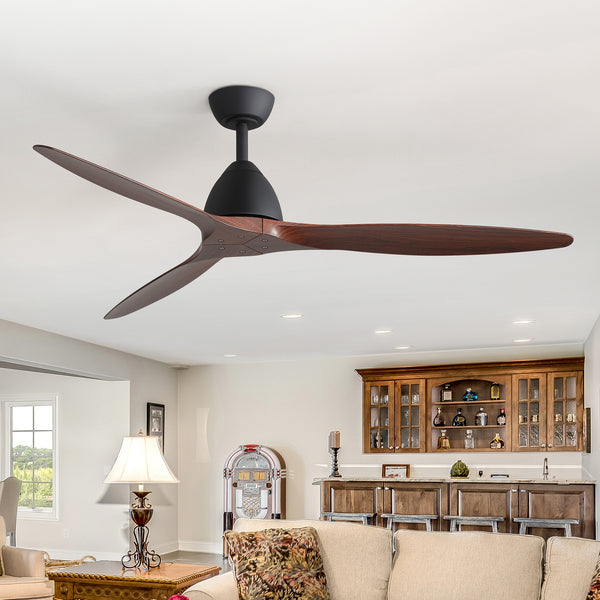
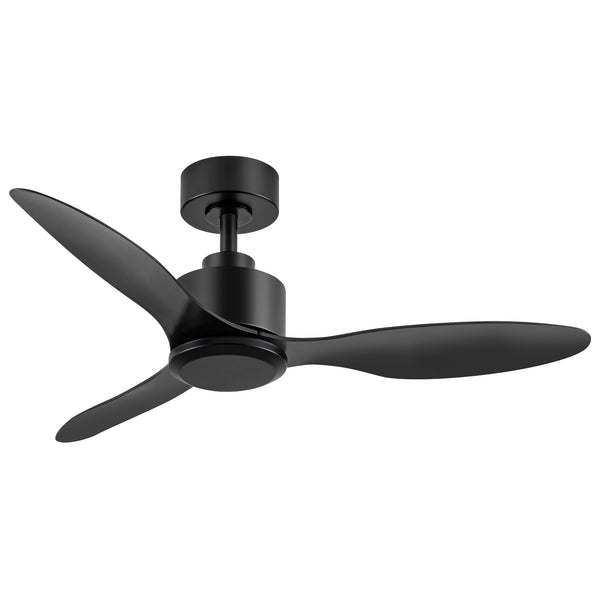
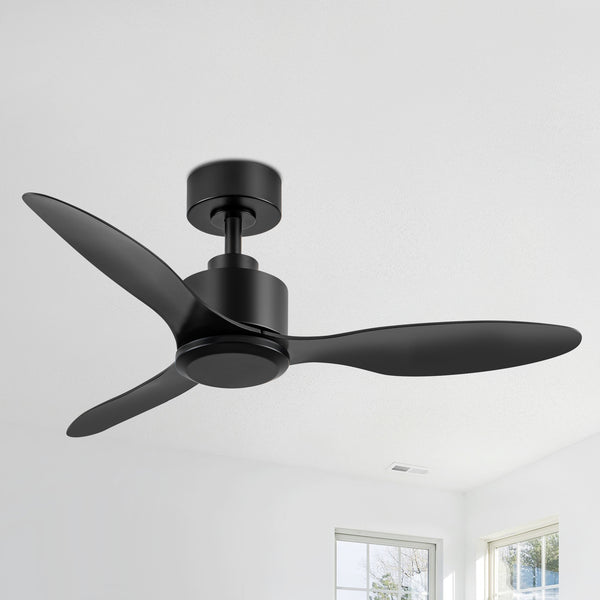
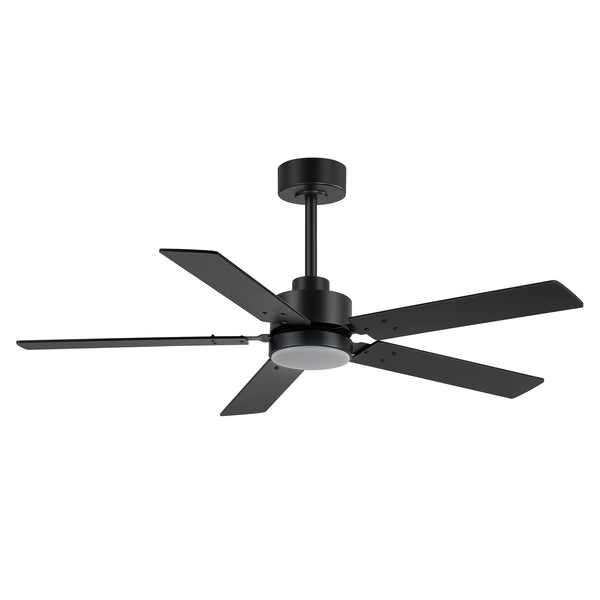
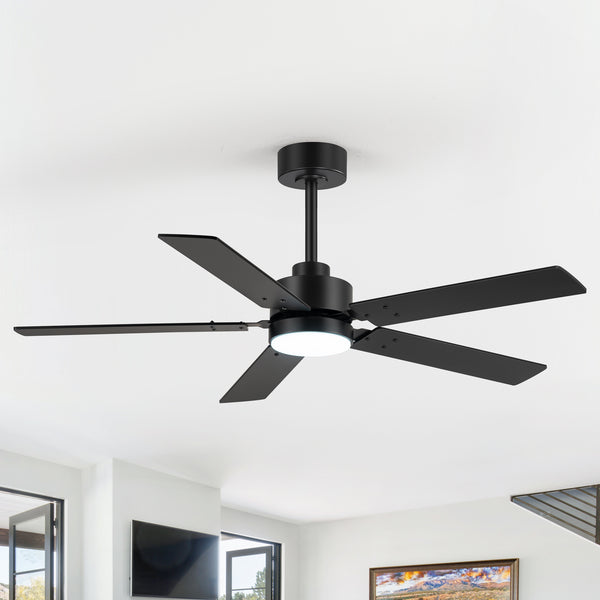
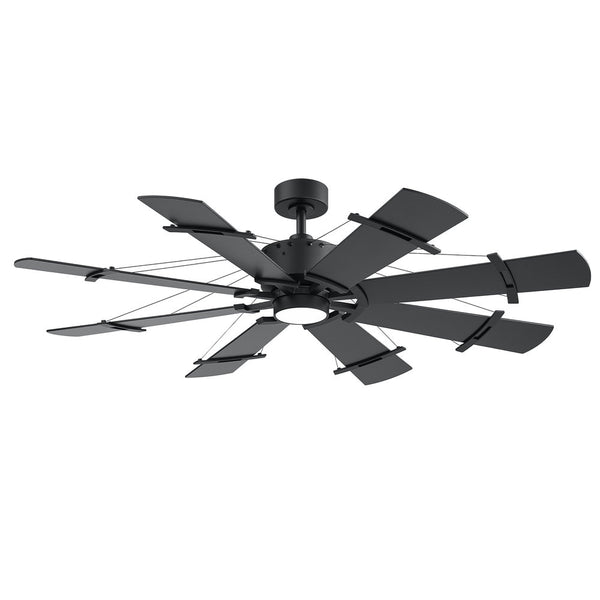
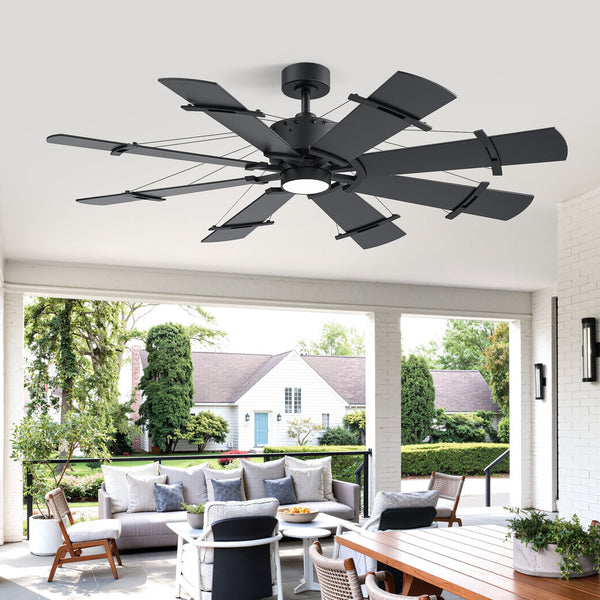
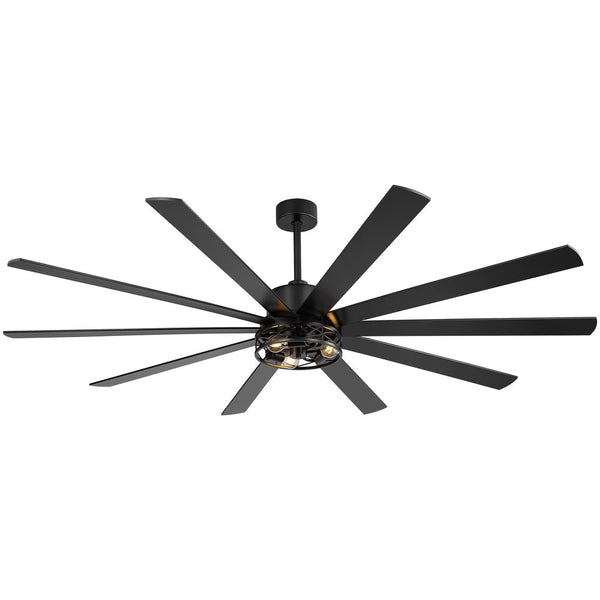
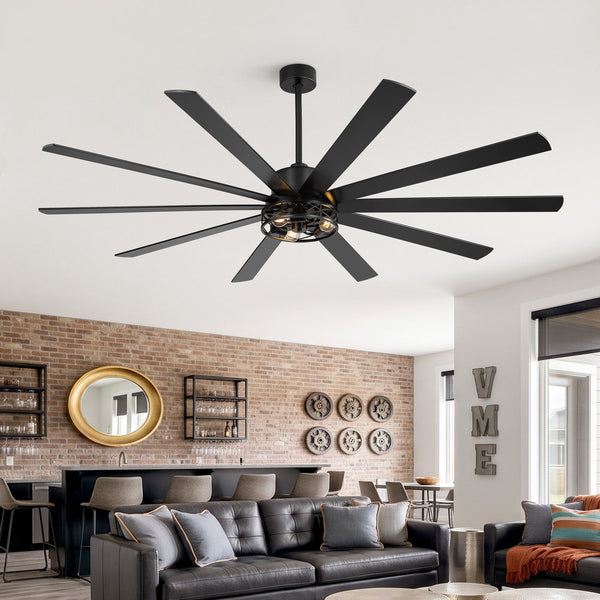
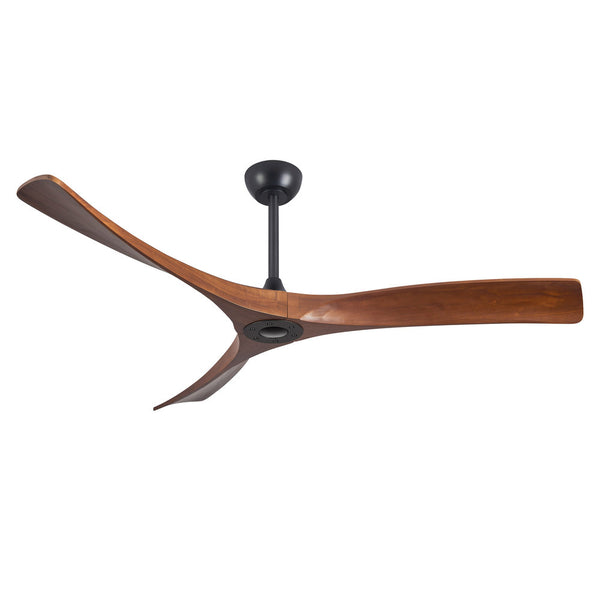
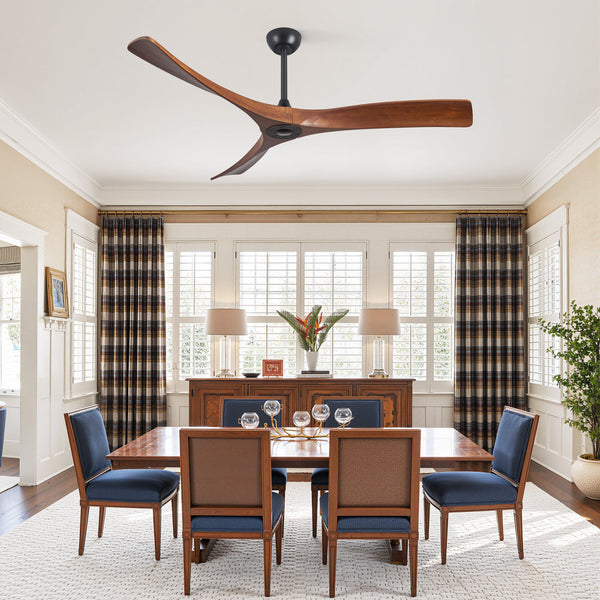
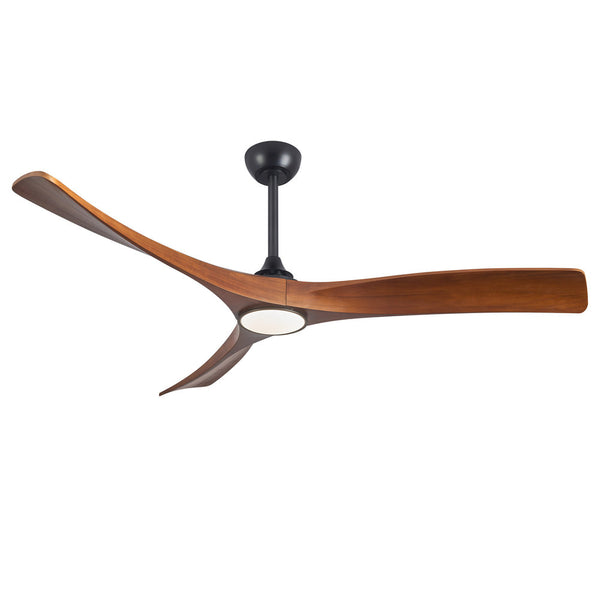
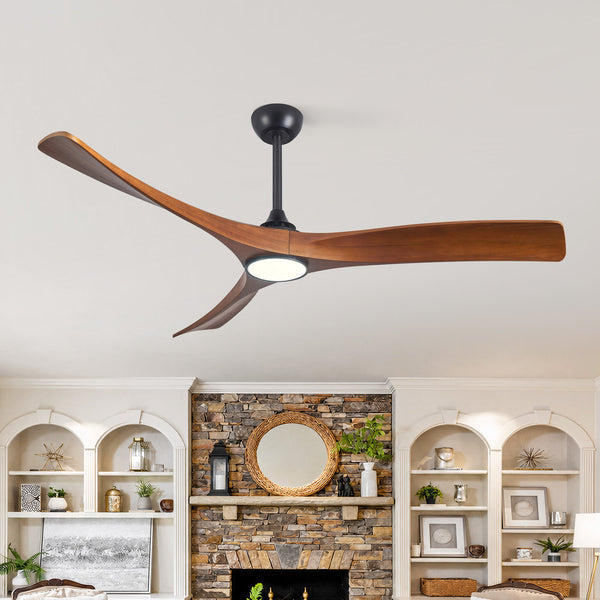
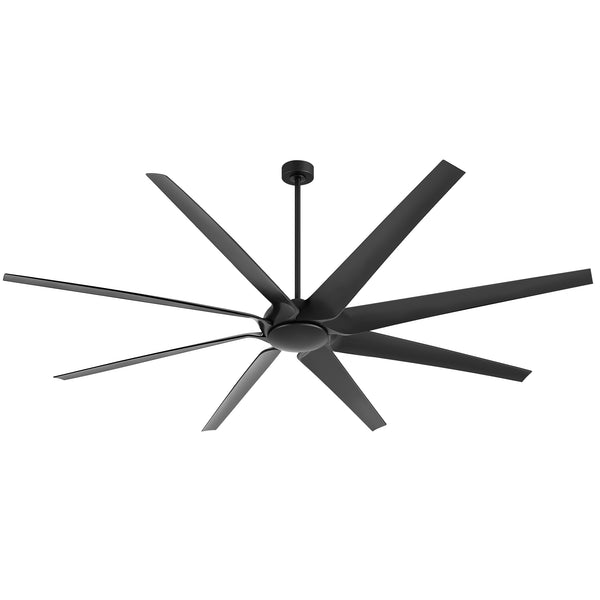
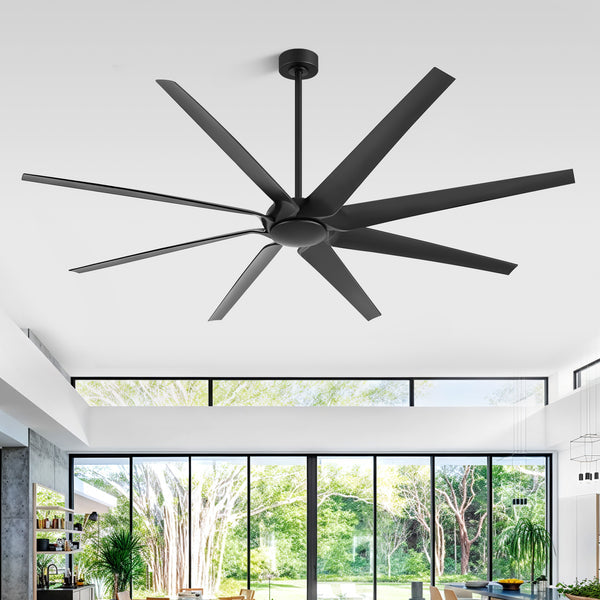
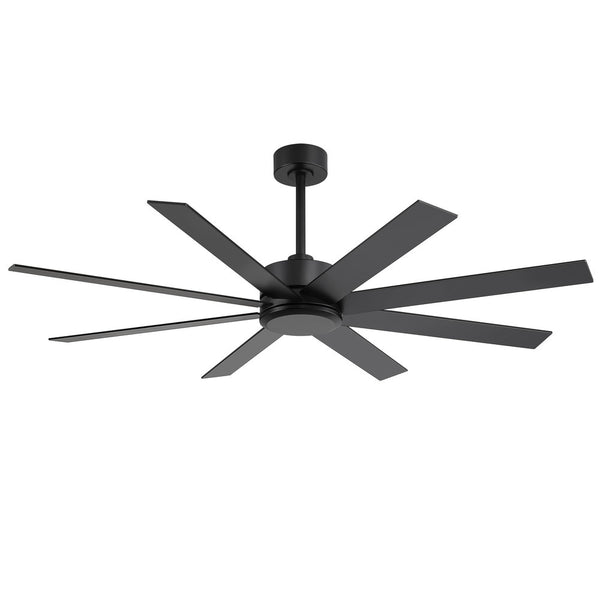
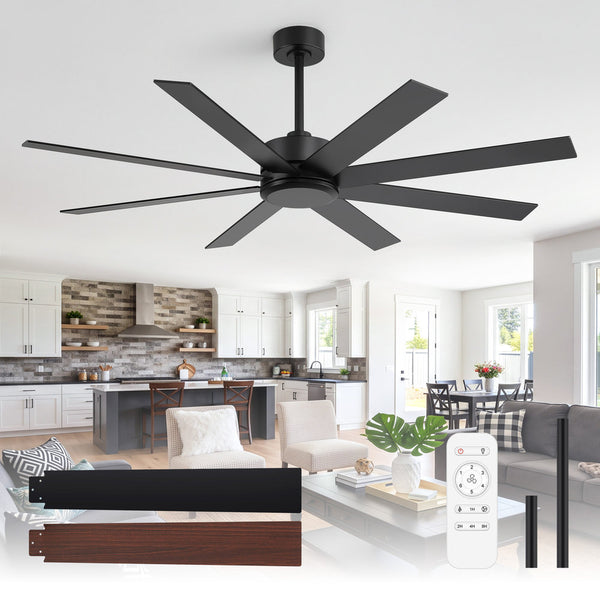
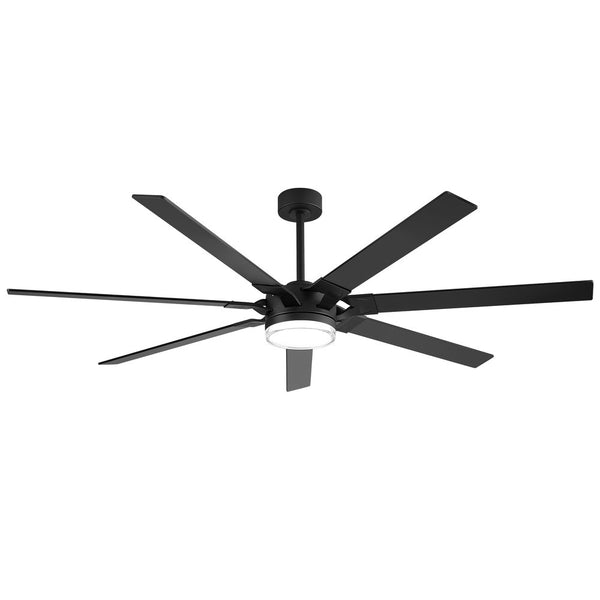
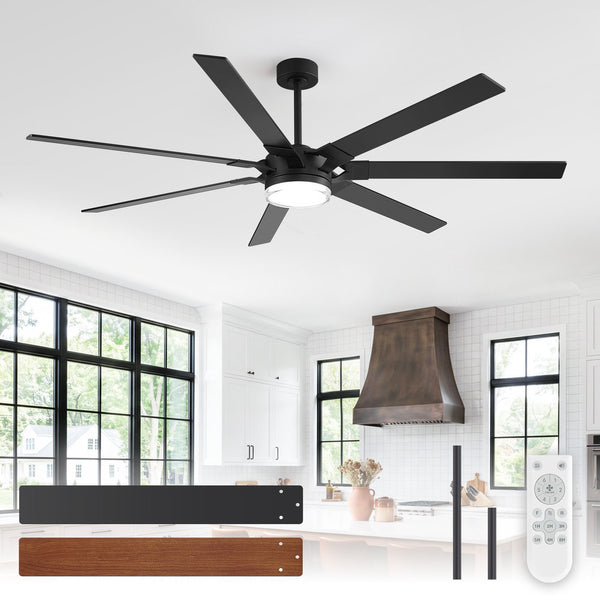
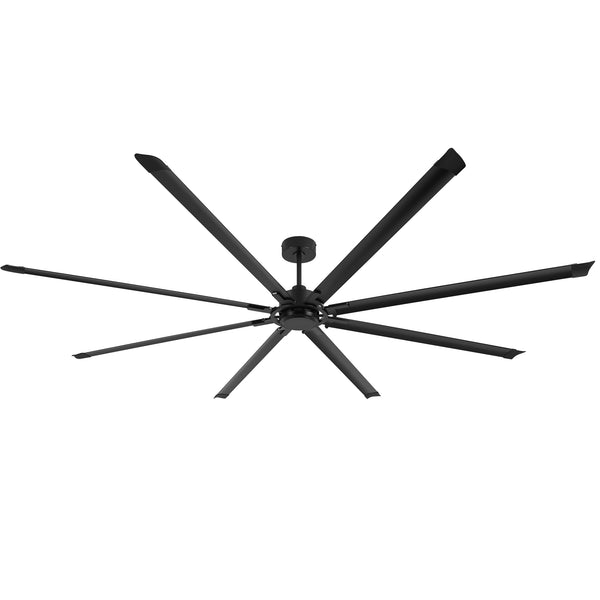
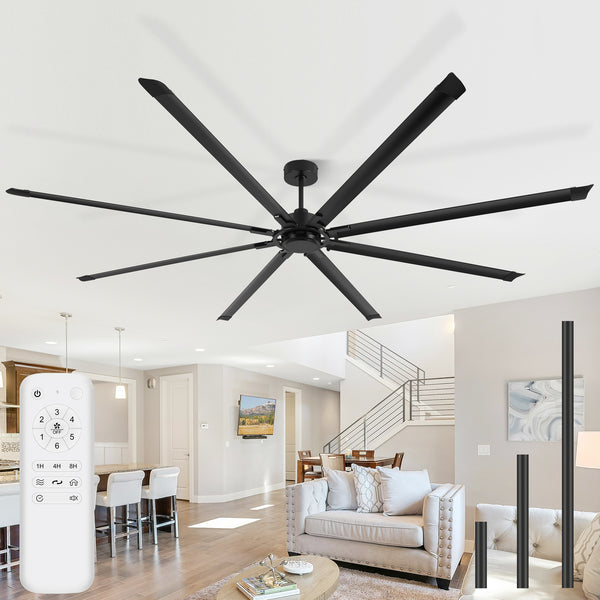
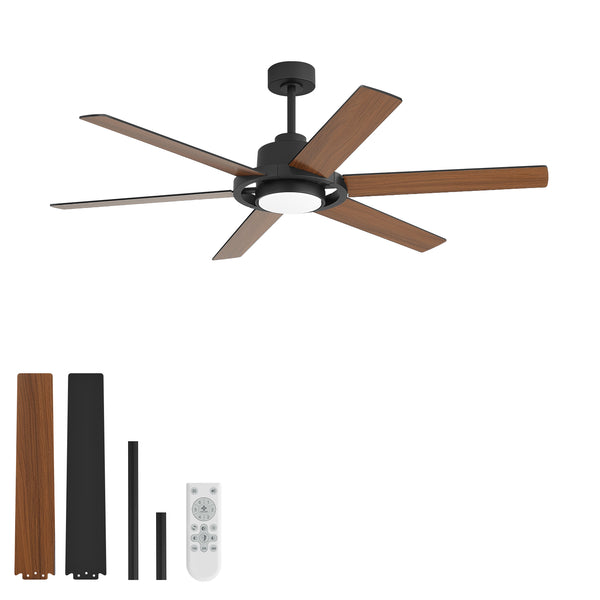
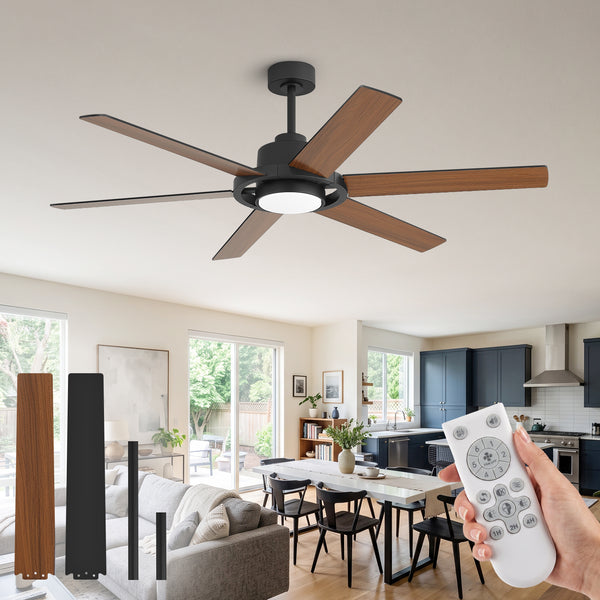
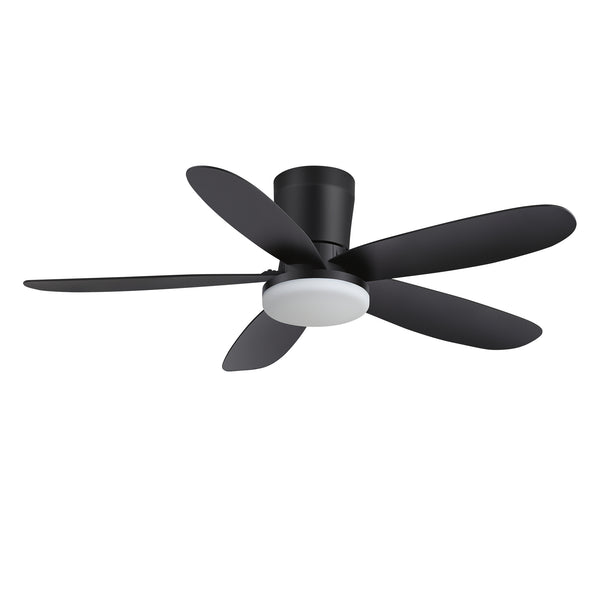
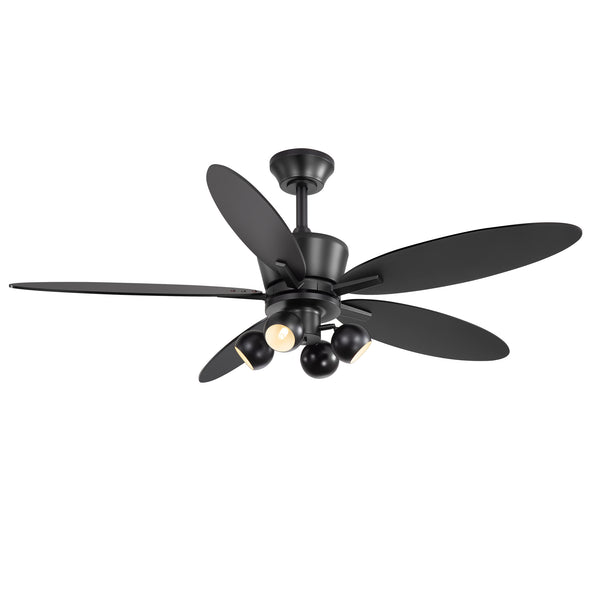
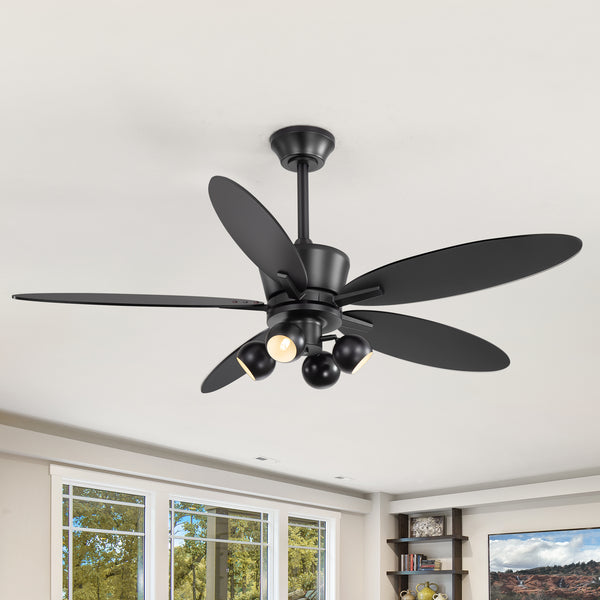
Shop Large Fans by Material, Style, Room & Light
Choosing a Large Leaf Ceiling Fan: Shape, Span and Material
Judge a leaf fan twice: as decor and as a fan. Leaf names the blade outline only; it says nothing about the material, the full span or the airflow. Settle those three first, and large leaf ceiling fans become as easy to compare as any other large fan.
Find the material behind the leaf look
A leaf outline can be carved wood, plywood, molded ABS or a woven-look surface, and product photos rarely show the difference. A natural texture does not prove natural construction. Read the blade material line on the product page; that line, not the photo, tells you what you are buying.
Measure tip to tip, then size the room
Broad leaves exaggerate how big a fan looks. Its real size is the full span, from one blade tip across the motor to the opposite tip. Then check the floor area against Breezary's chart: 52–60 in. for 200–350 sq. ft., 60–72 in. for 350–500 sq. ft., and 72 in. or two fans beyond that.
Keep a dry-rated fan indoors
Tropical styling suggests porches and lanais, but a fan rated only for dry locations belongs inside, even under a roof. A covered, sheltered porch needs at least a damp rating. If rain can blow in or fall on the fan, look for a wet rating. The fans in this collection are sold for indoor rooms such as living rooms, bedrooms and great rooms.
Read reversible two ways
Some listings call a blade reversible because each face has a different finish, such as matte black and walnut grain. That changes the look only. A reversible motor is a separate feature that flips the spin by season. Counterclockwise sends a breeze down in summer; clockwise at a slow speed moves ceiling heat back into the room in winter.
Choose light or no light
A light kit hangs below the blades, adds to the total drop and pulls the eye away from the blade shape. When recessed lights or lamps already do the job, skip the fan light and let the blade outline stand on its own. If the fan must light the room, compare brightness, color temperature and dimming.
| Label | What it usually means | What to confirm |
|---|---|---|
| Leaf or palm leaf | A broad blade outline, sometimes with carved veins. | Blade material and full span. |
| Tropical | A room style that may mix palm, bamboo and woven details. | Whether the blades are really leaf-shaped. |
| Bamboo | Real bamboo or a bamboo-look finish. | Which of the two the listing states. |
| Rattan or wicker | A woven texture that may be natural, synthetic or molded. | Material and location rating. |
| Reversible blade | A different finish on each side of the blade. | Whether the motor also reverses. |
Dust large leaf ceiling fans often: broad blades and carved veins hold more dust than slim, smooth ones, and woven-look finishes need a gentle touch.
Large Leaf Ceiling Fans FAQs
What is considered a large leaf ceiling fan?
There is no official cutoff. Leaf-style fans are usually sold as large from about 52 inches across, and a span of 60 inches or more suits rooms over 350 sq. ft. Measure the full span from tip to tip, because a single broad leaf can exaggerate the size.
Will a 52-inch leaf fan overpower a 12x12 room?
Not usually. A 12x12 room falls in the sizing chart's 100–200 sq. ft. band, which matches 44–52 in. fans, so 52 inches sits at the top of the range. Check that the blade tips clear walls, doors and tall furniture, and run it at a lower speed if the breeze feels strong.
Can I hang a leaf ceiling fan on a covered porch?
No, unless the exact model carries a damp rating. A roof blocks direct rain, yet a porch still sees humid air and rain blowing in from the open sides. Damp ratings cover sheltered spots like that; a spot where rain lands on the fan needs a wet rating. Indoor-only fans stay inside.
Do five leaf blades move more air than three?
Not automatically. Blade count is mostly a style choice. Airflow comes from the motor, blade pitch, speed and full span working together. A broad leaf shape adds visual weight rather than proven coverage, so check each model's published CFM before deciding.
Are leaf ceiling fans outdated?
No. Large leaf ceiling fans remain a deliberate choice for tropical, coastal, botanical and eclectic rooms rather than a passing trend. Whether one looks current depends on scale, finish and the room around it. A black fan reads crisp and contemporary against a pale ceiling, while natural wood tones lean relaxed and coastal.
Can I put palm leaf blades on my existing fan?
Only if the manufacturer confirms they fit that exact model. Replacement blade sets are not universal: length, weight, mounting holes, blade arms and balance all have to match the motor. Blades that do not match can wobble and strain the motor, so buy blades made for your fan.


