
Large Bedroom Ceiling Fans
Large bedroom ceiling fans suit primary bedrooms and suites, where a fan often runs all night. Choose one with gentle low speeds and controls you can reach from bed, in a size that fits the room rather than the biggest available. Read the buying guide
46 products
46 products
Products
-
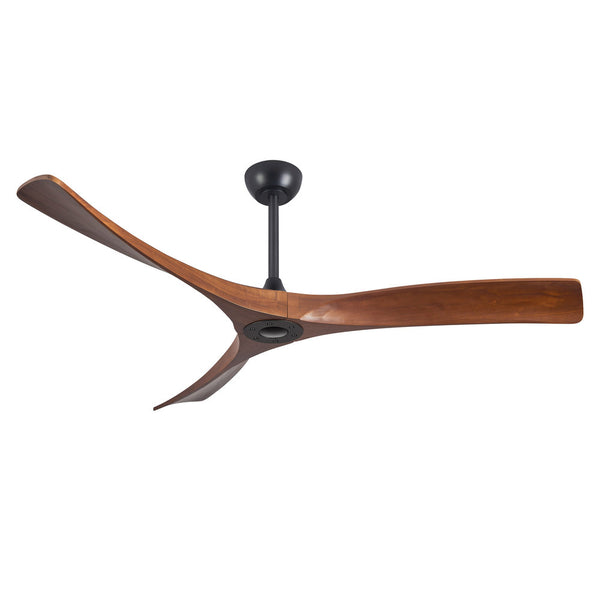
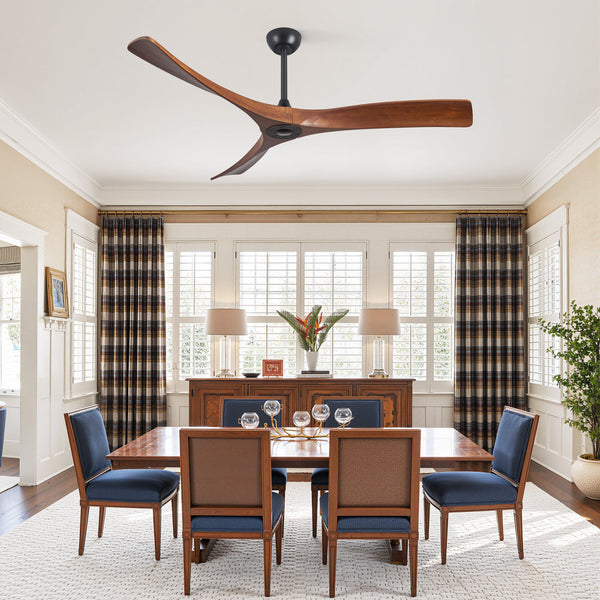
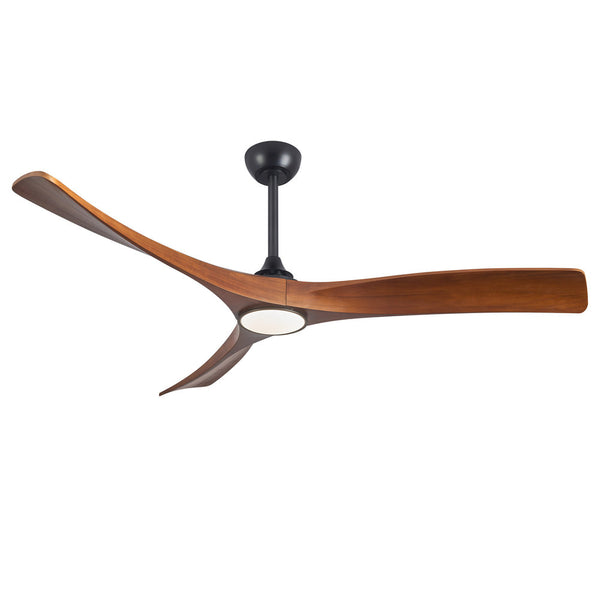
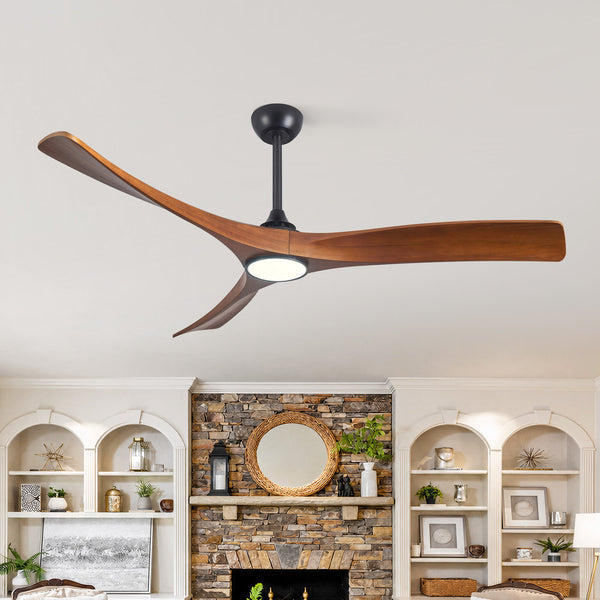
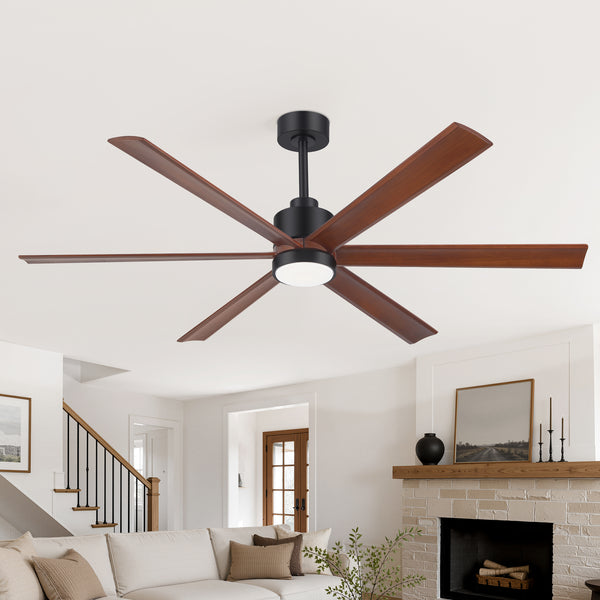
72 Inch Large Ceiling Fan without Light with 3 Solid Wood Blades & Remote
$144.99
Add to Cart$242.99Save 40%
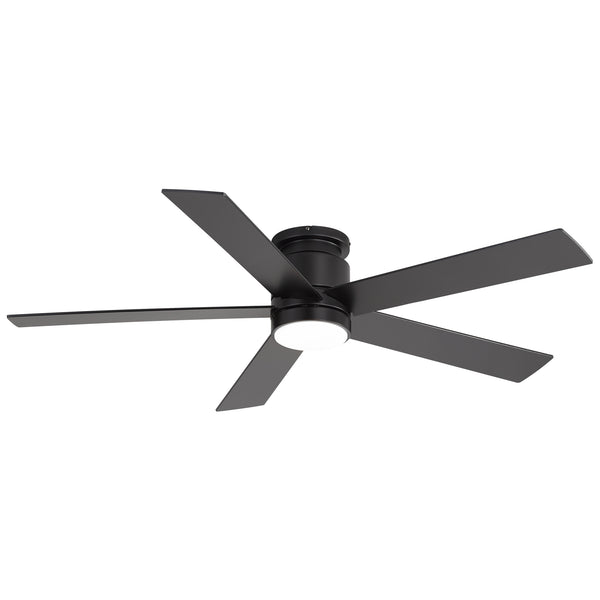
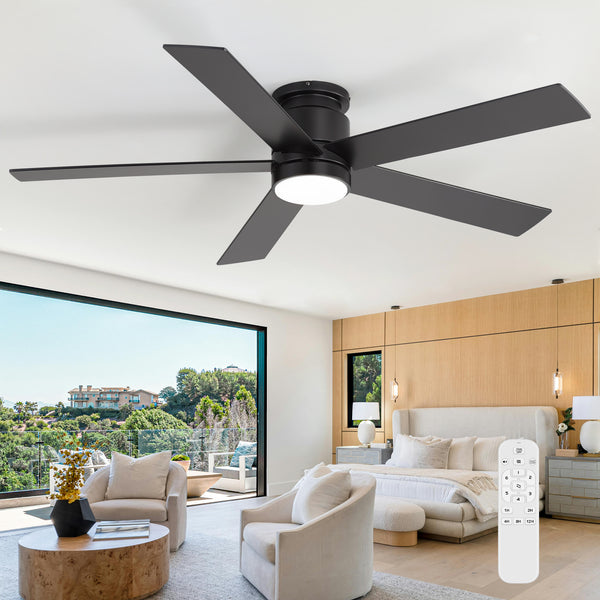
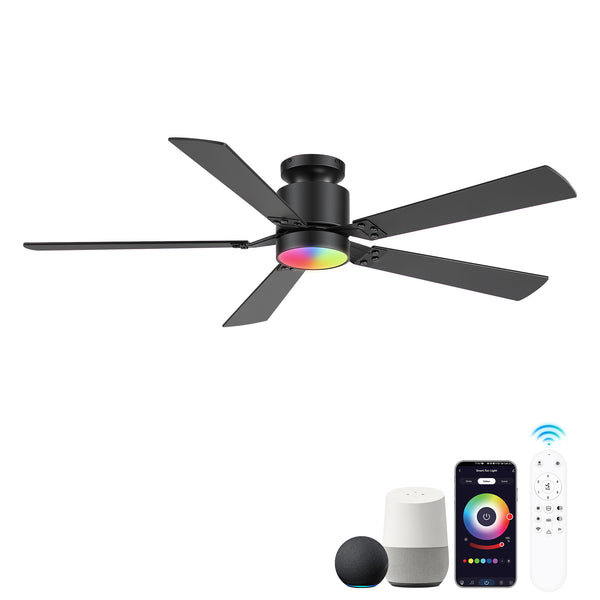
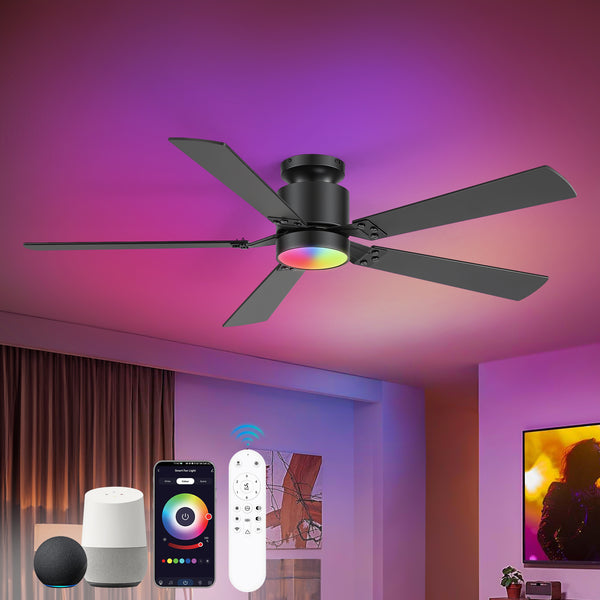
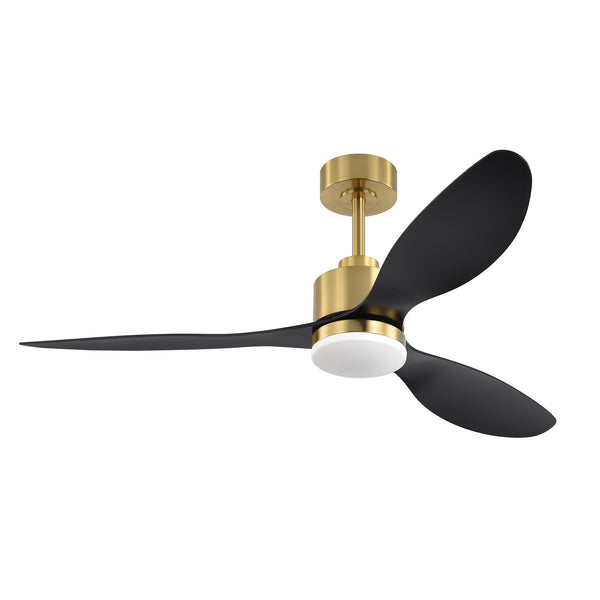
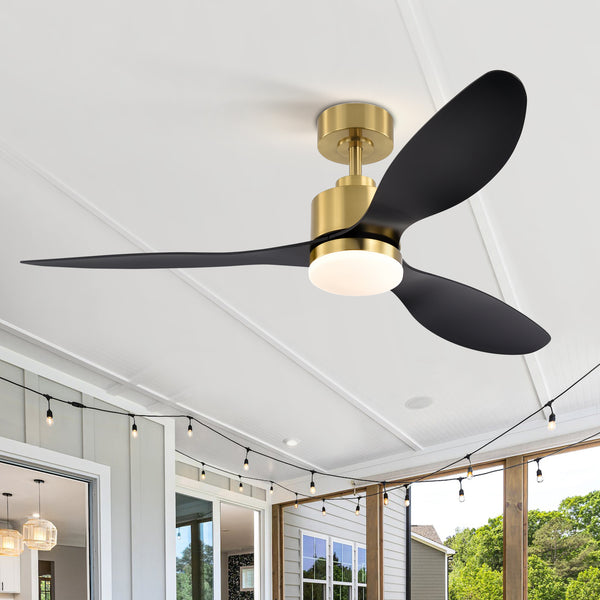
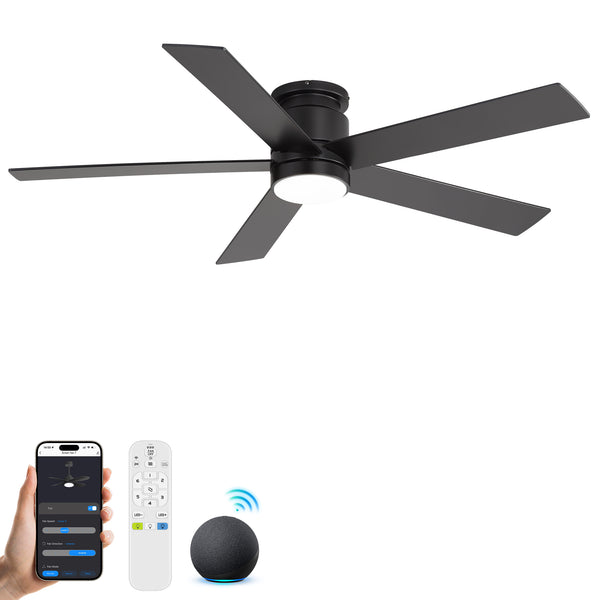
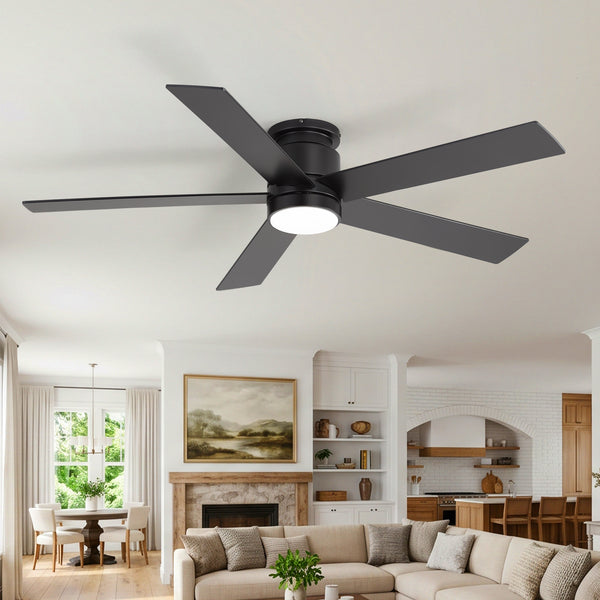
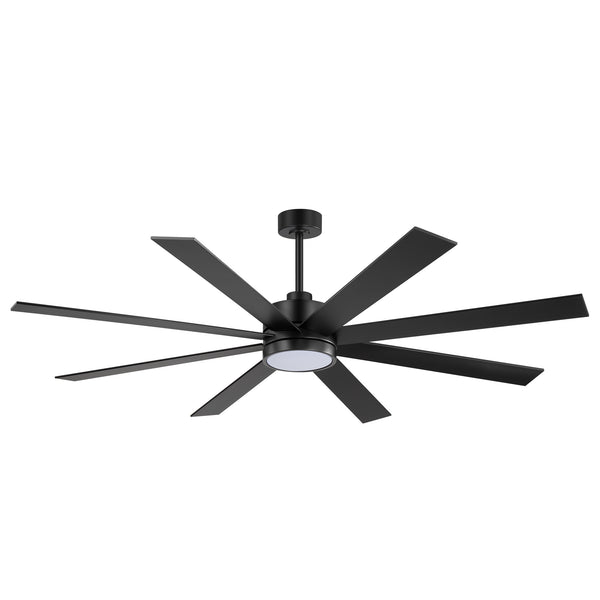
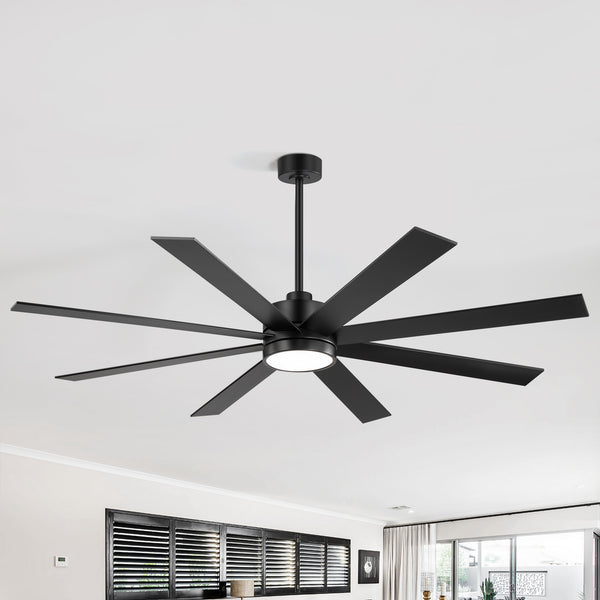
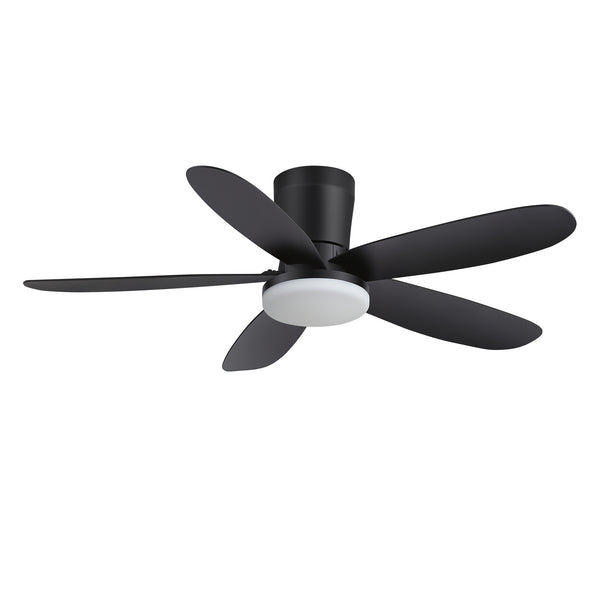
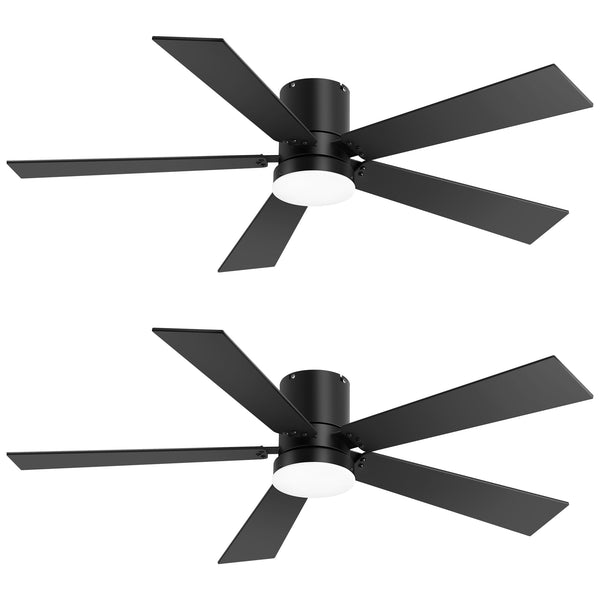
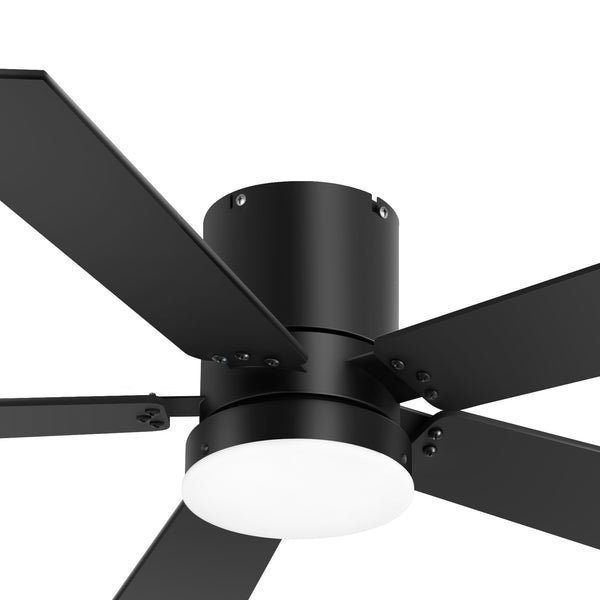
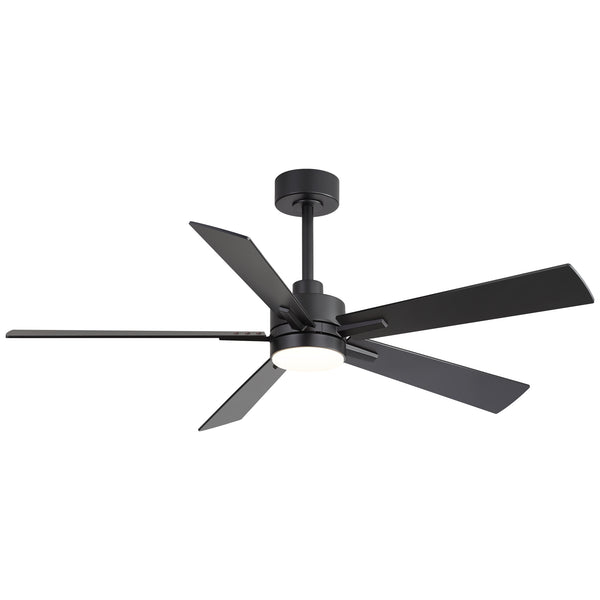
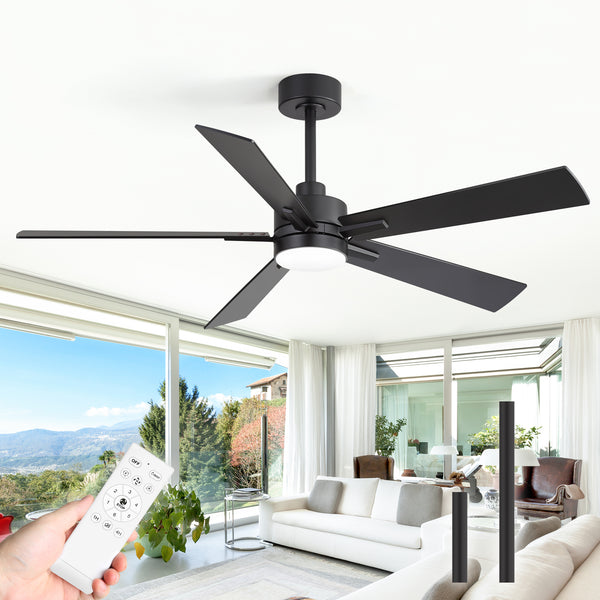
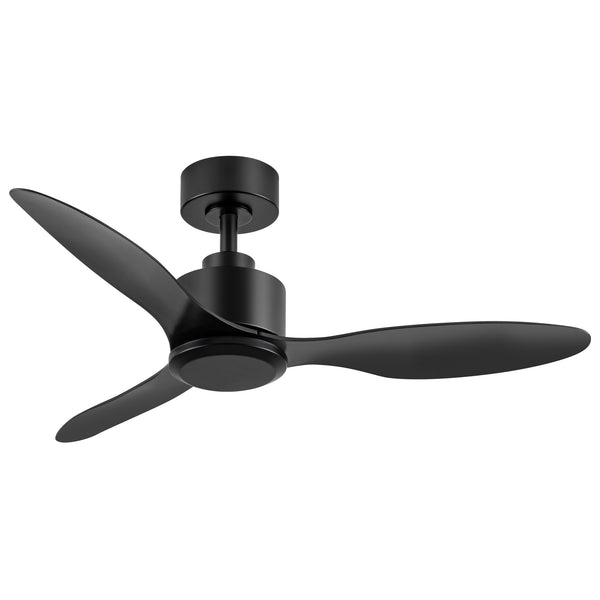
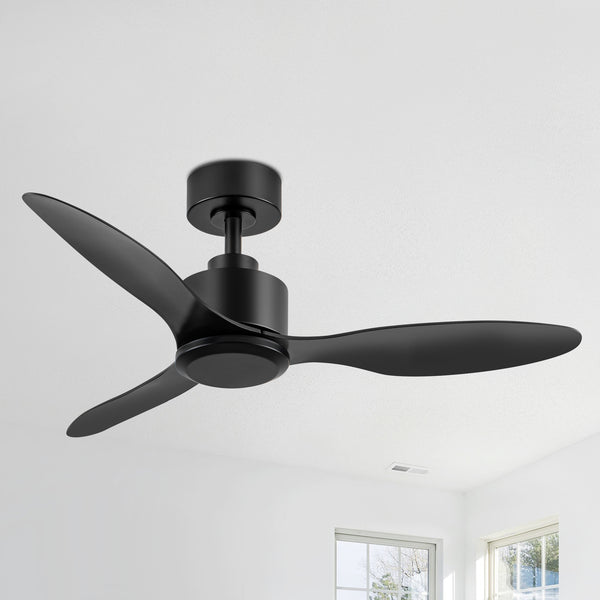
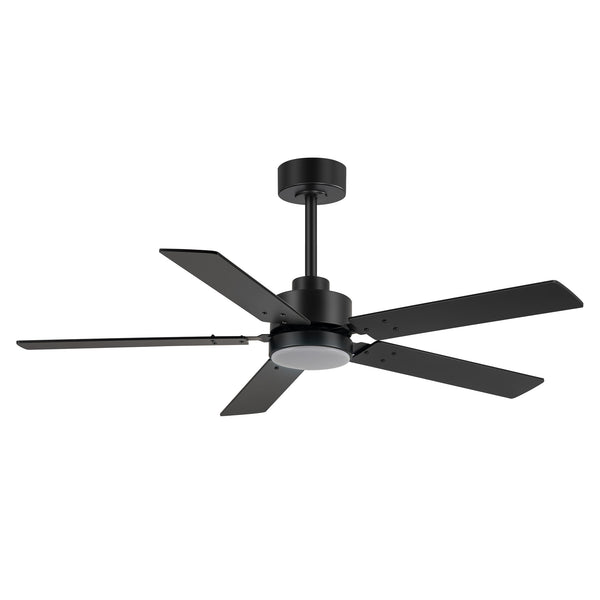
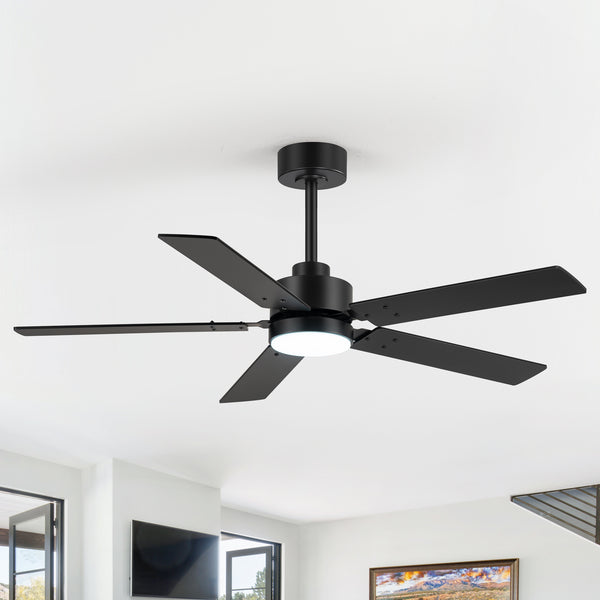
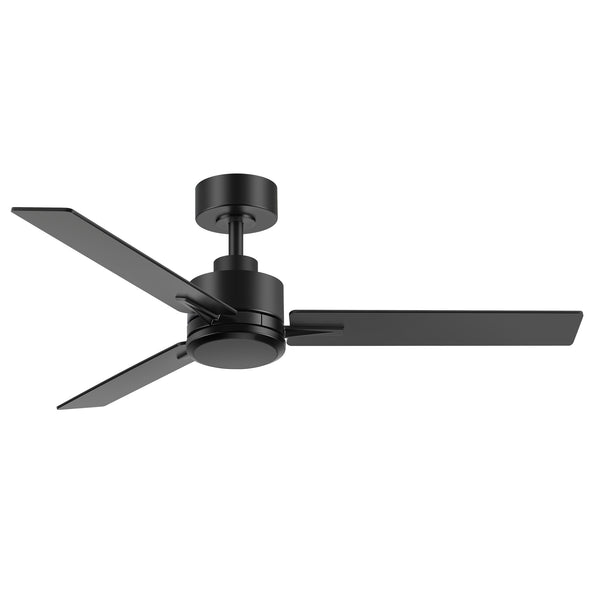
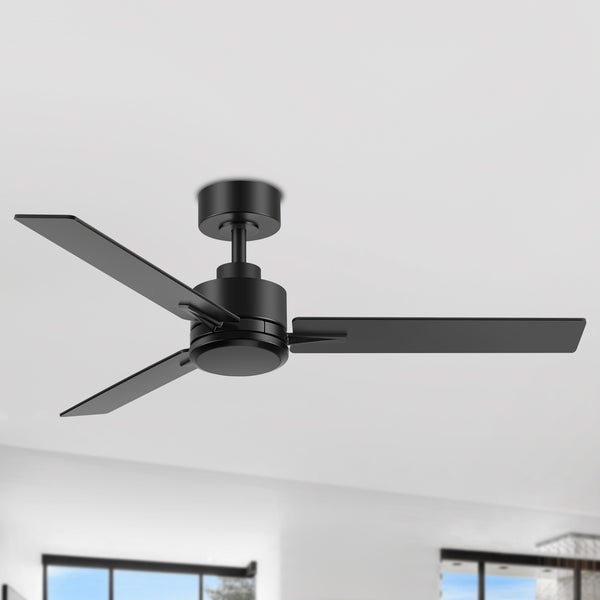
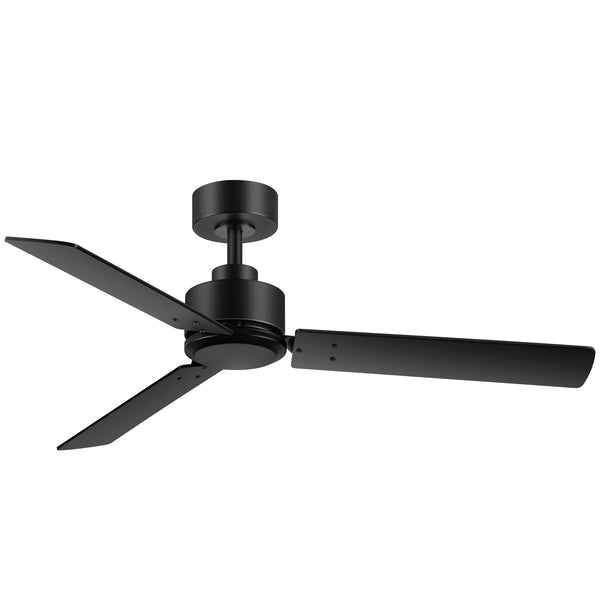
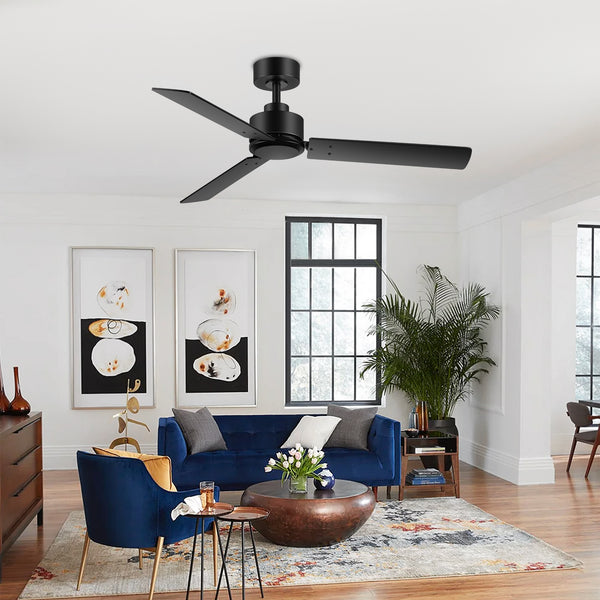
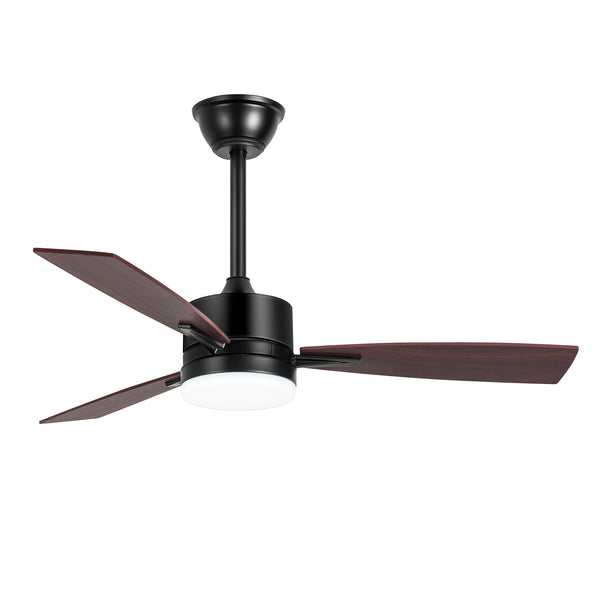
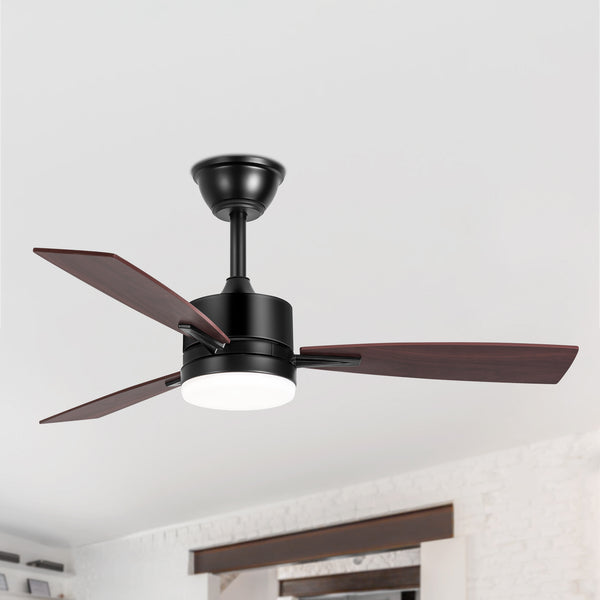
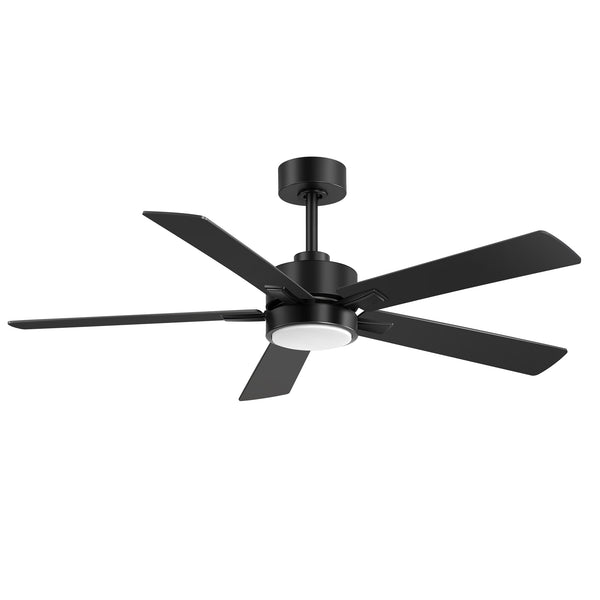
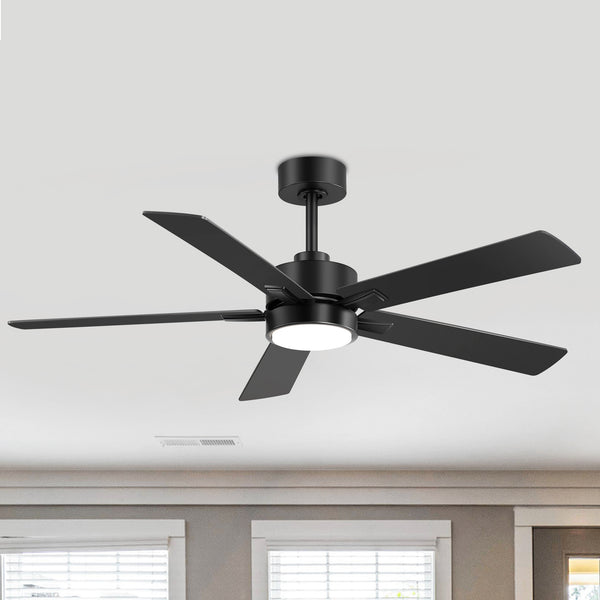
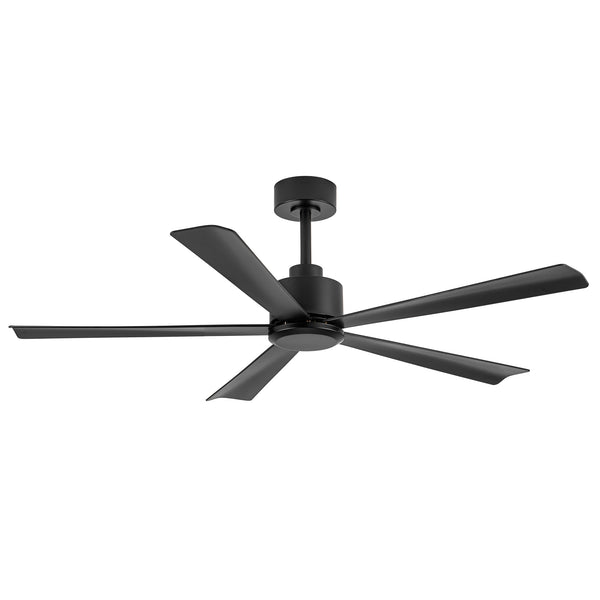
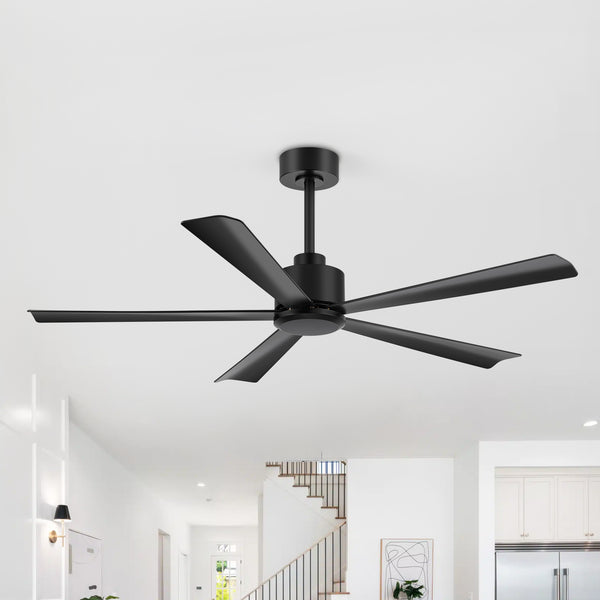
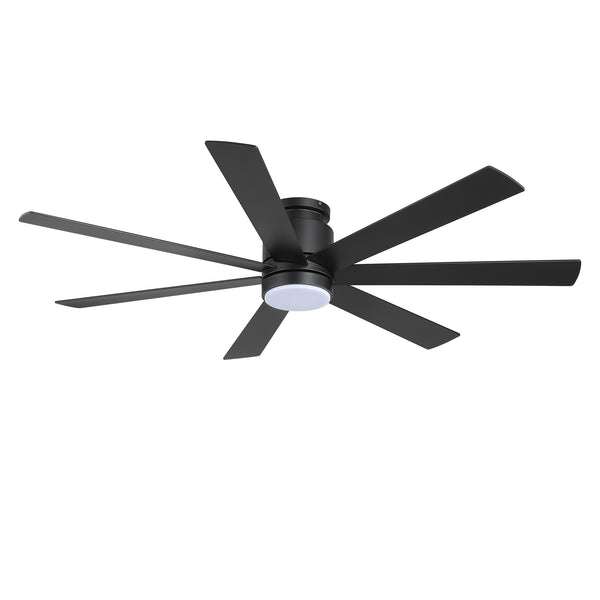
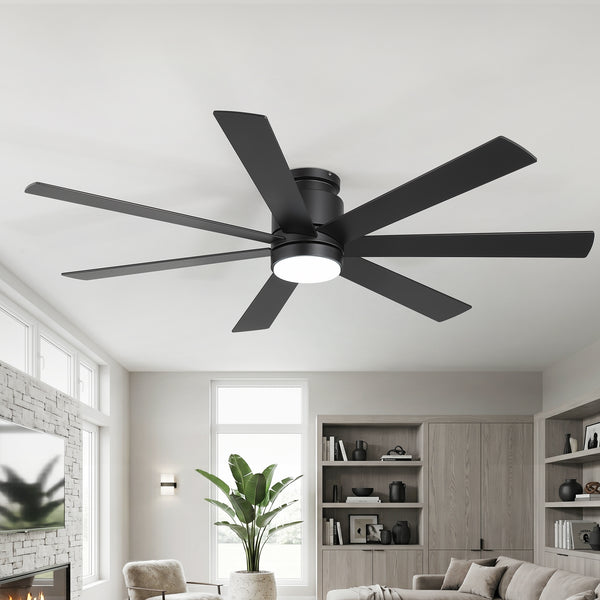
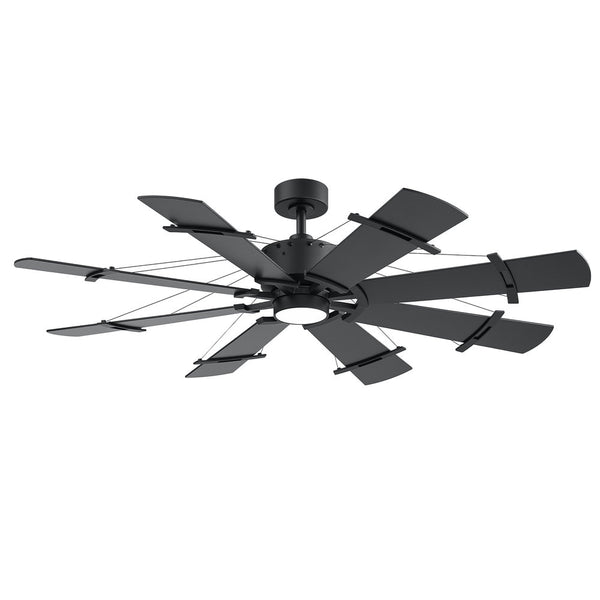
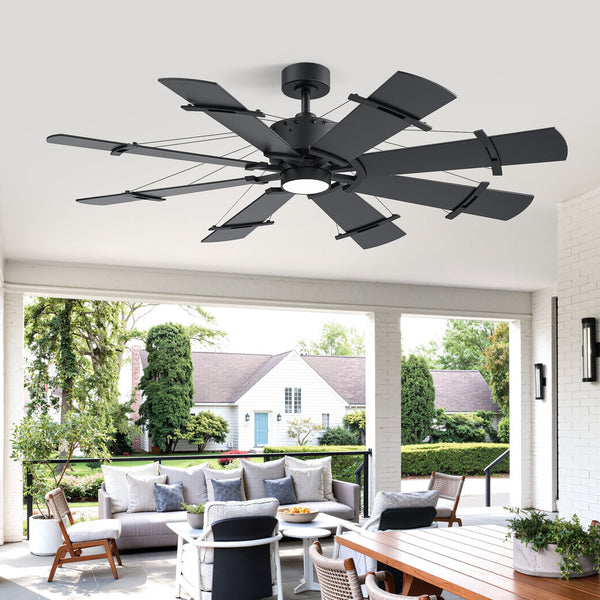
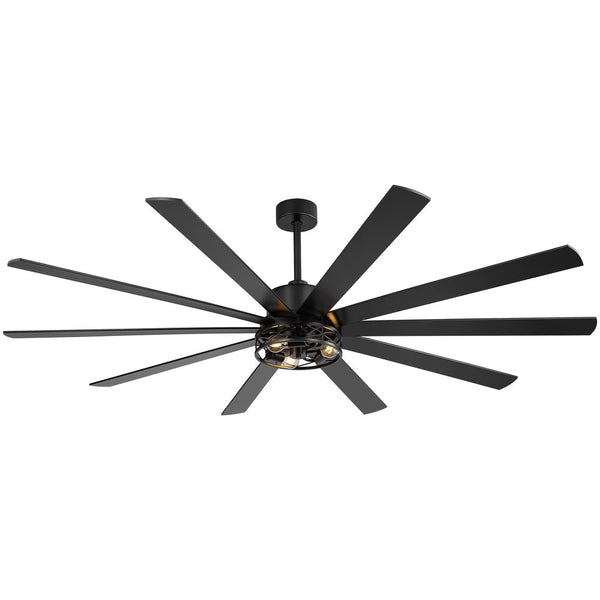
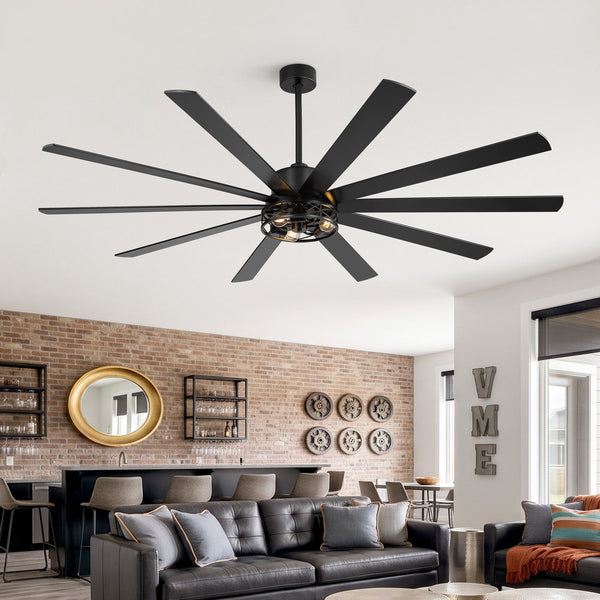
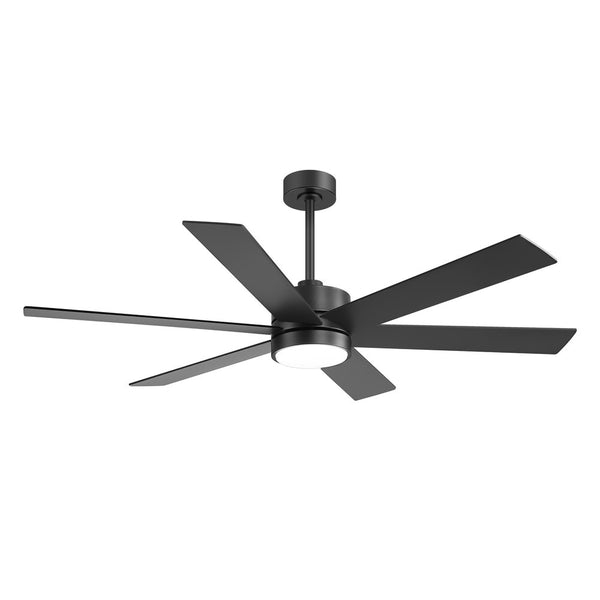
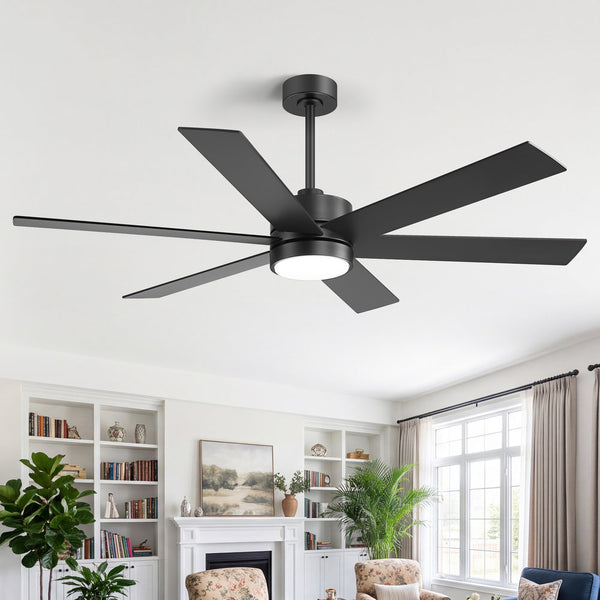
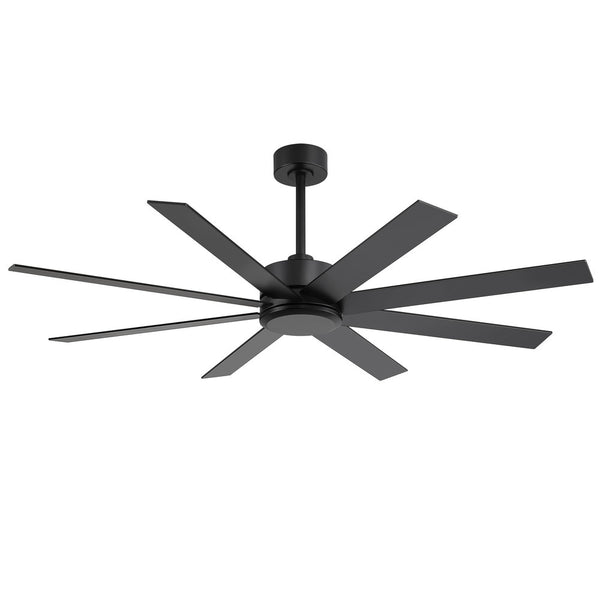
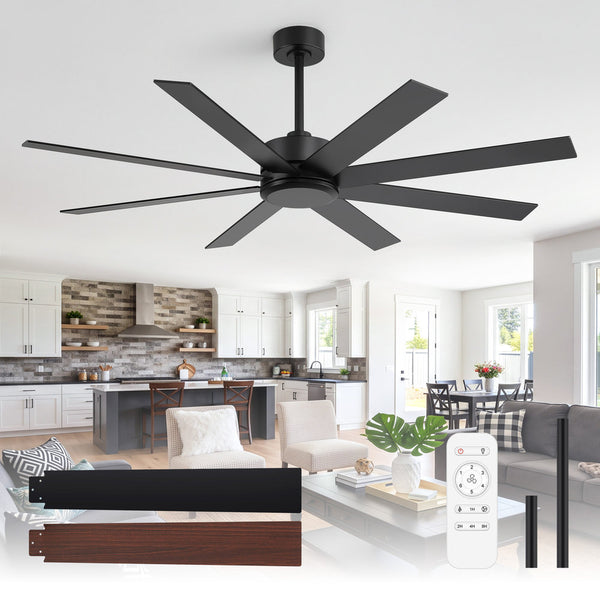
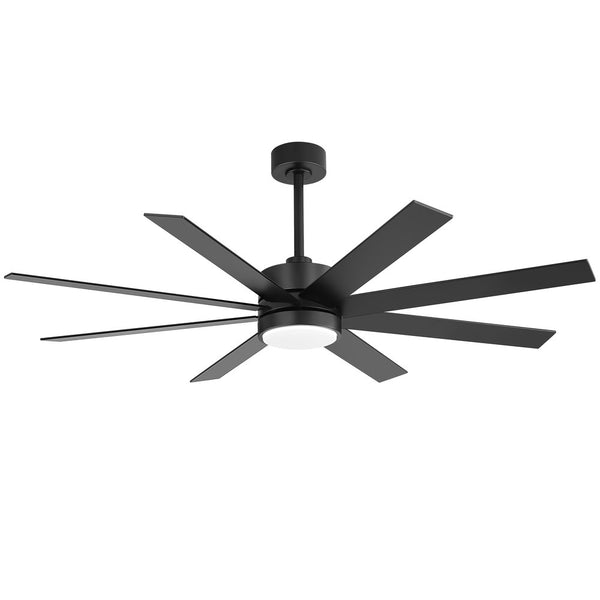
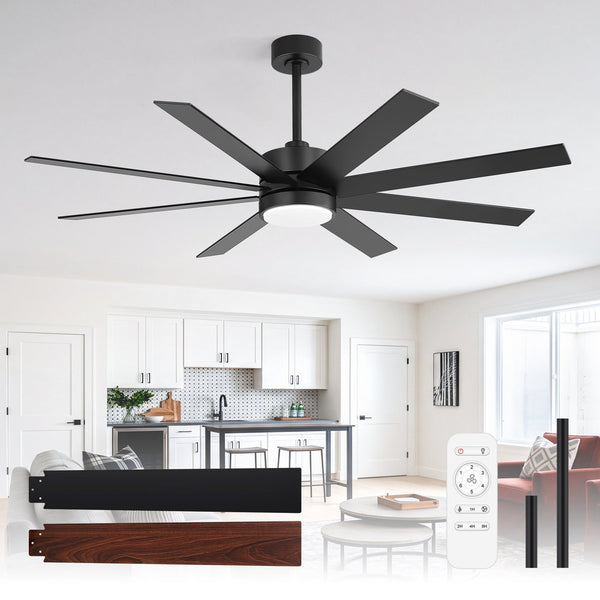
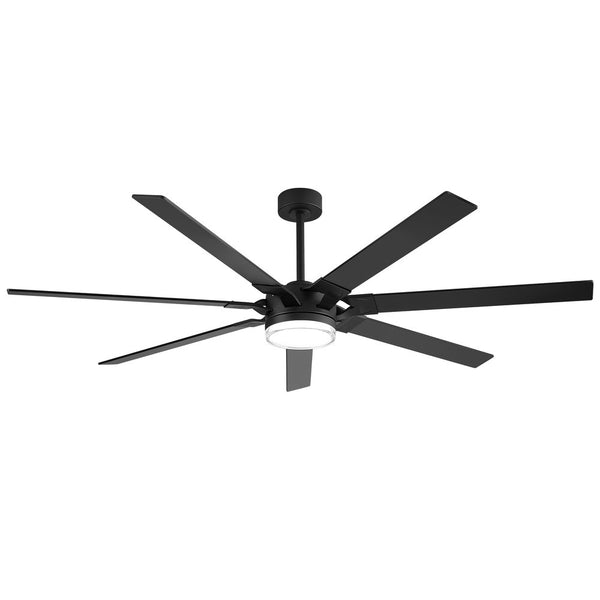
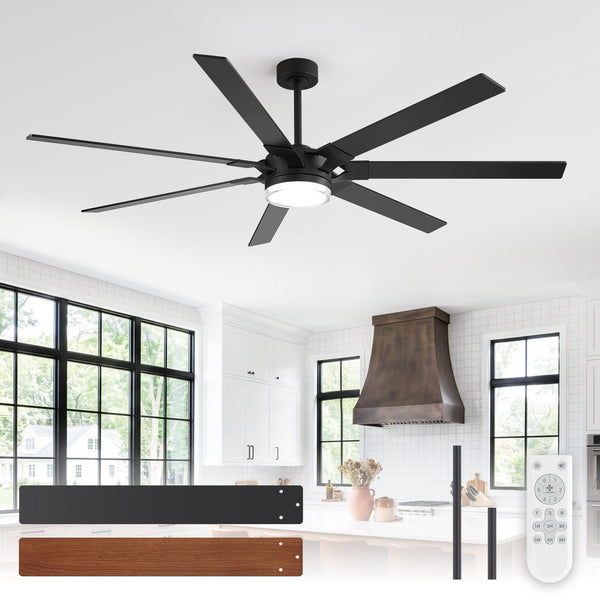
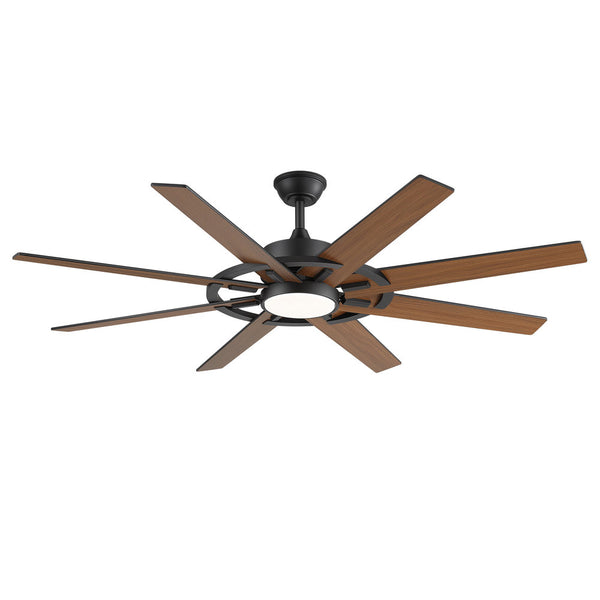
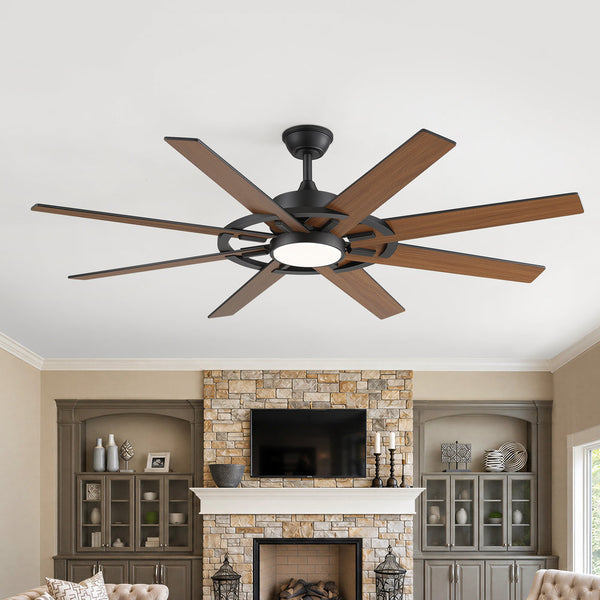
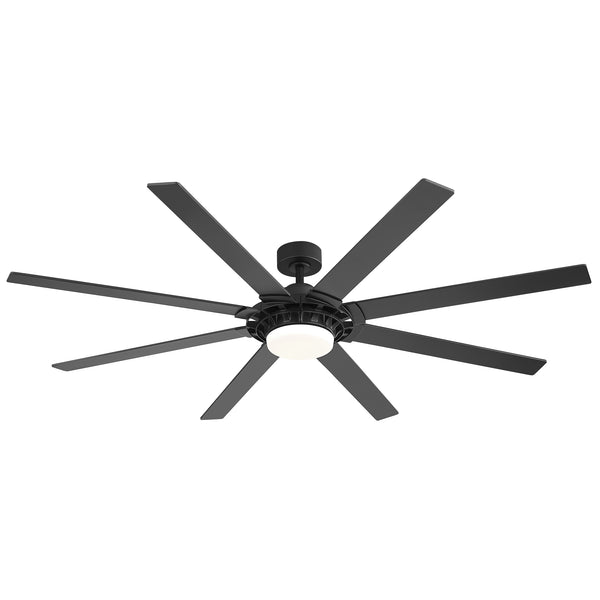
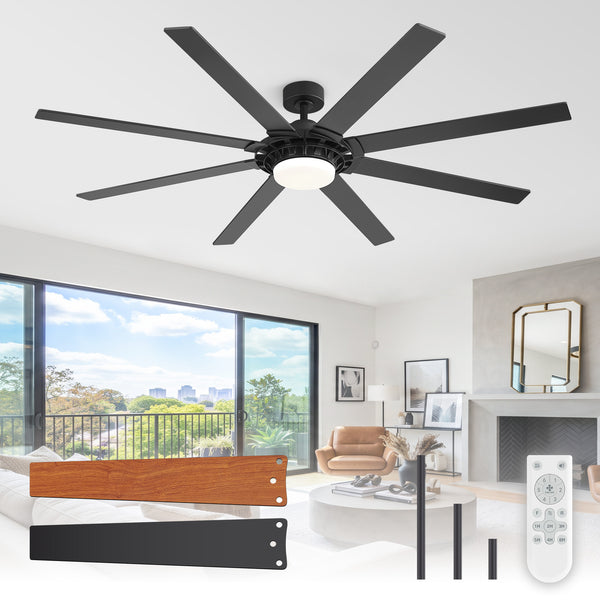
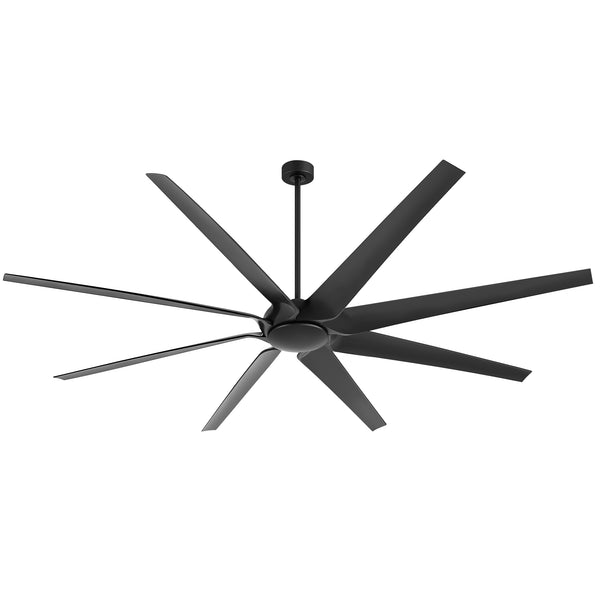
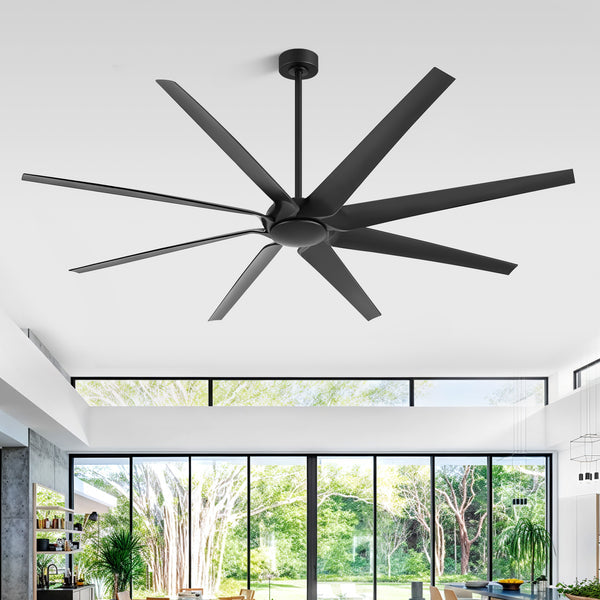
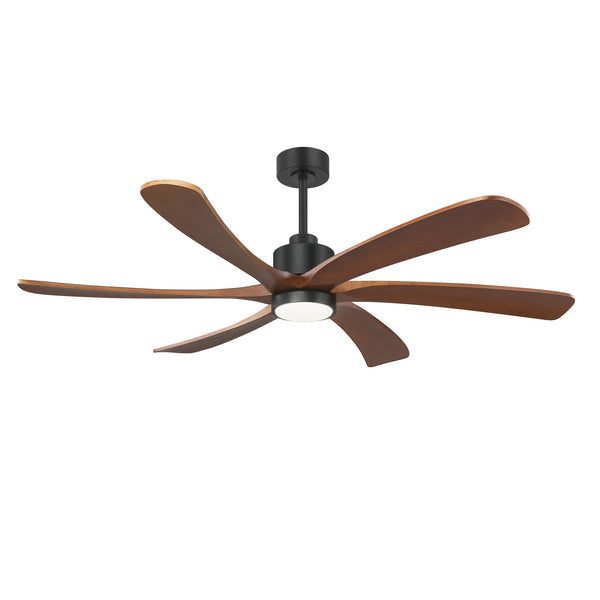
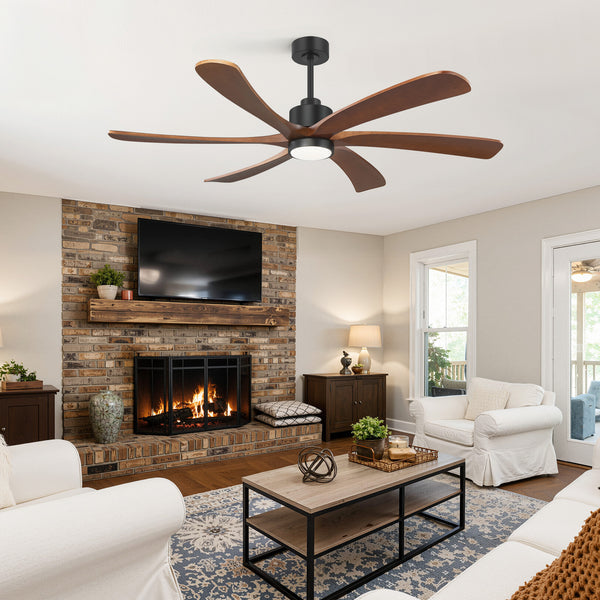
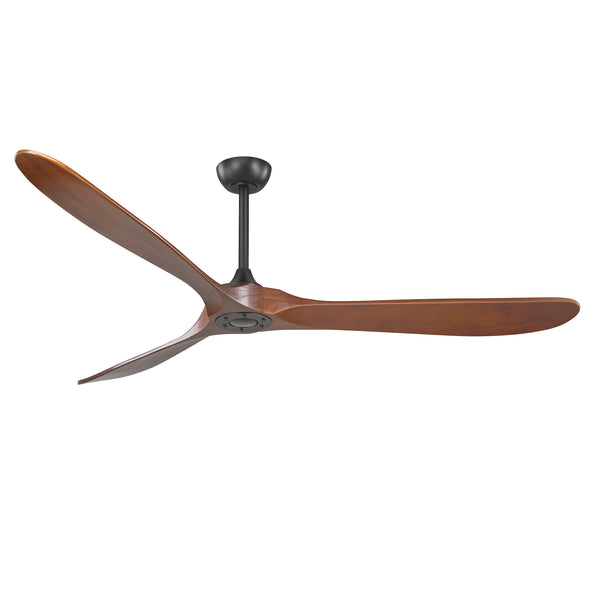

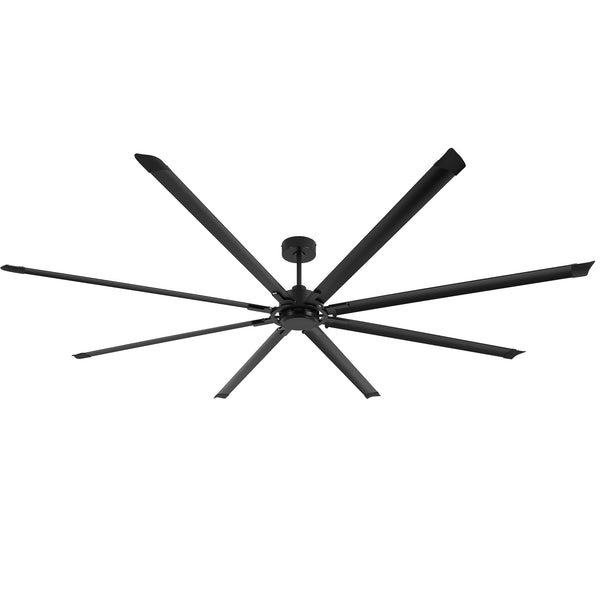
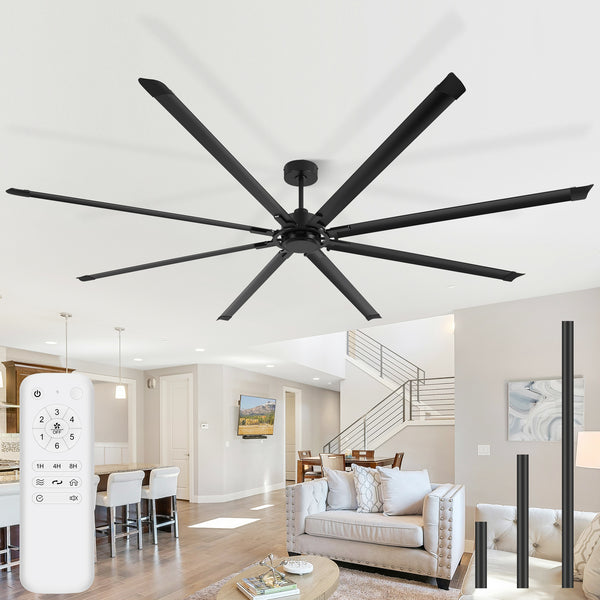
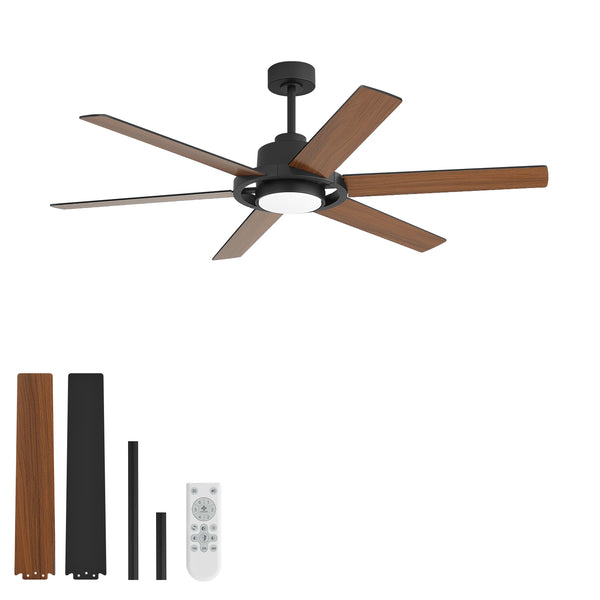
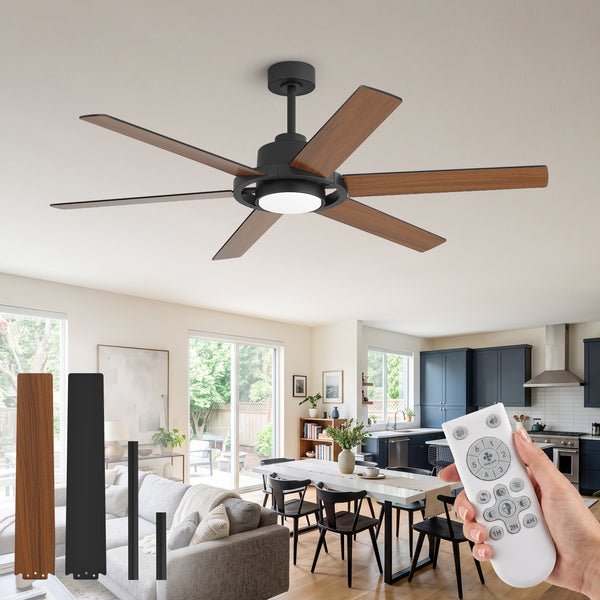
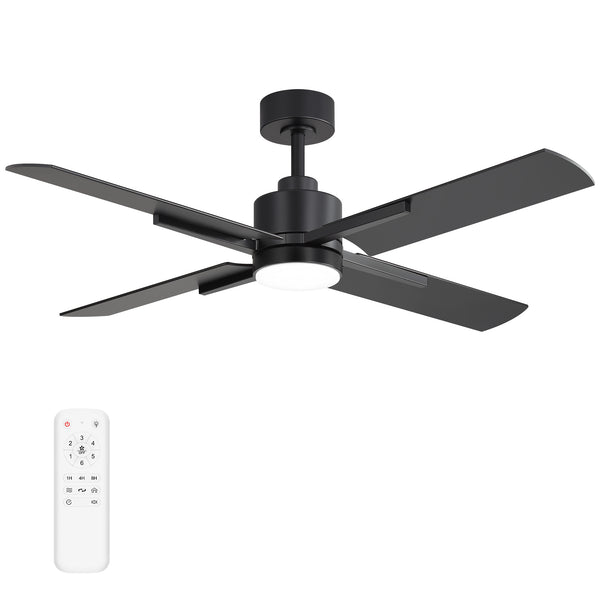
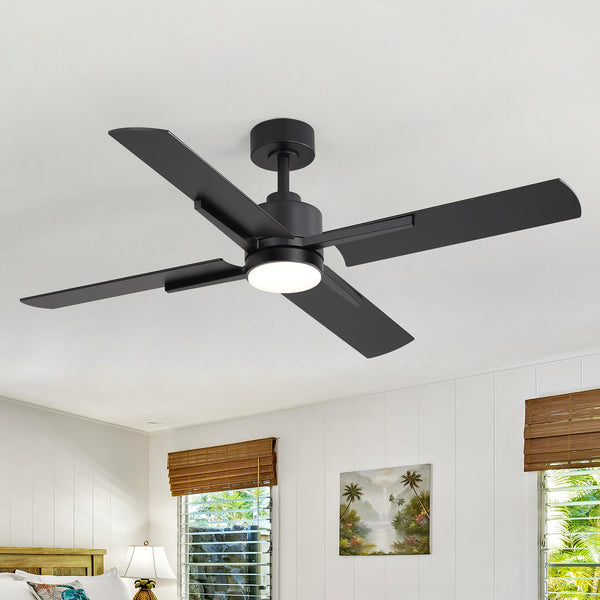
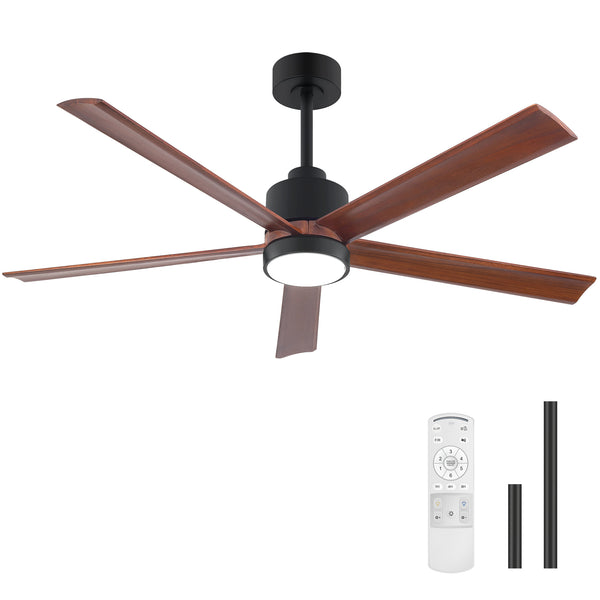
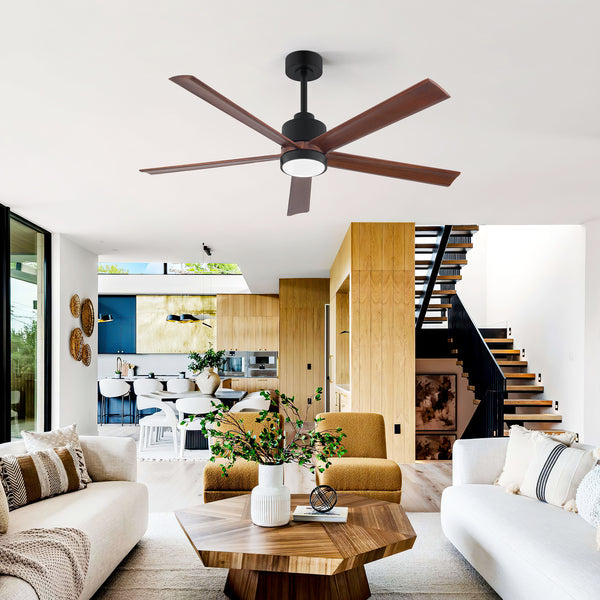
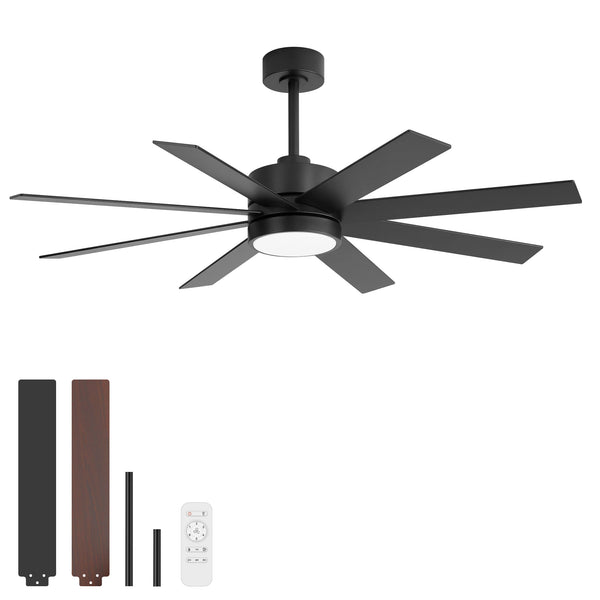
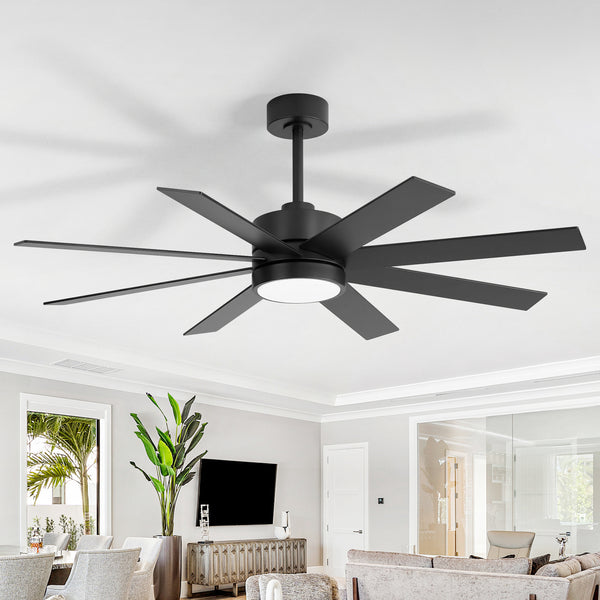
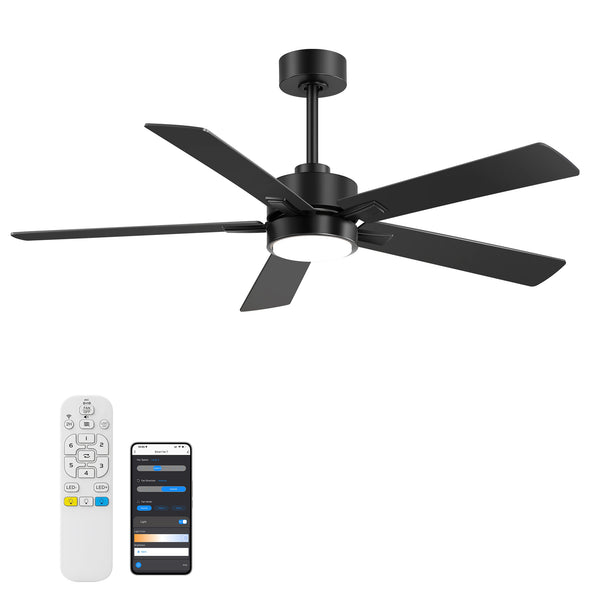
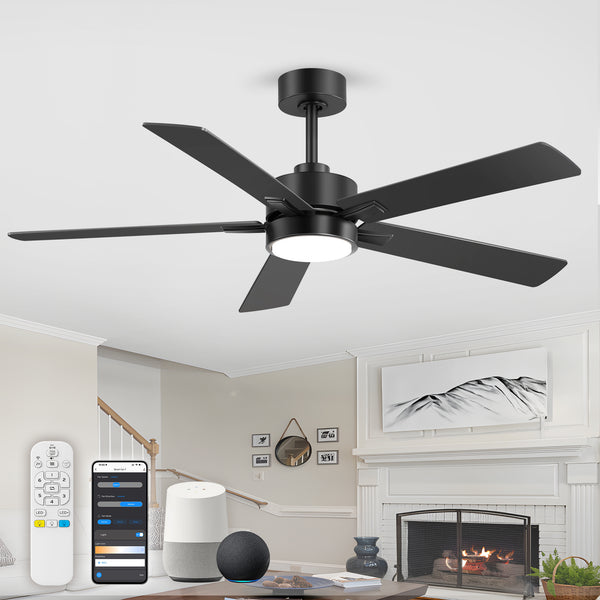
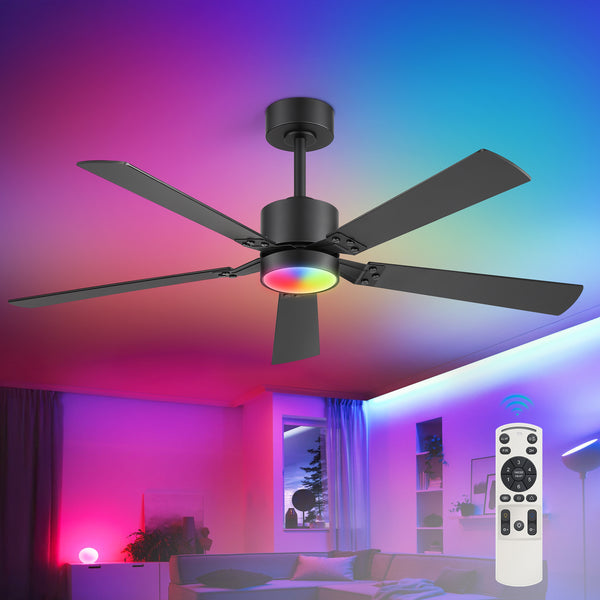
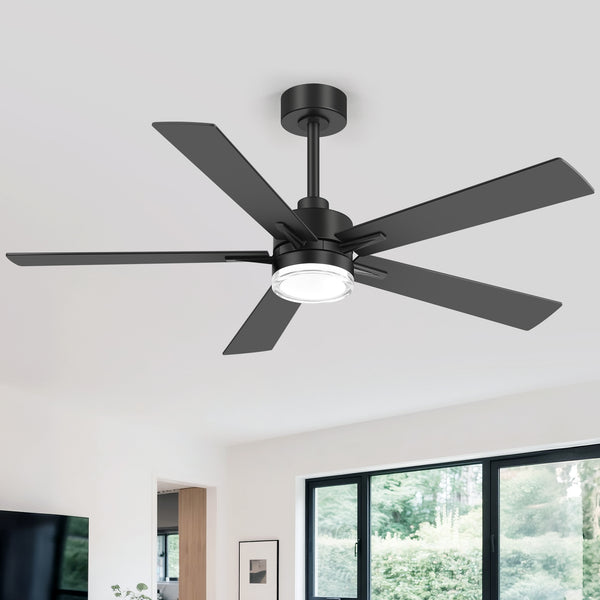
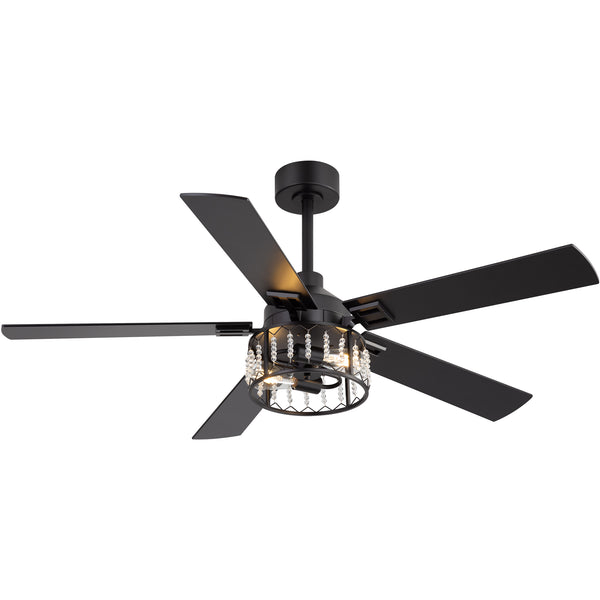
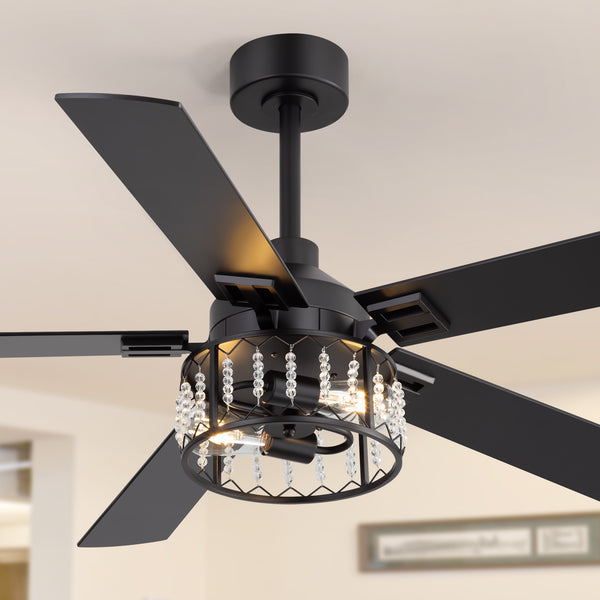
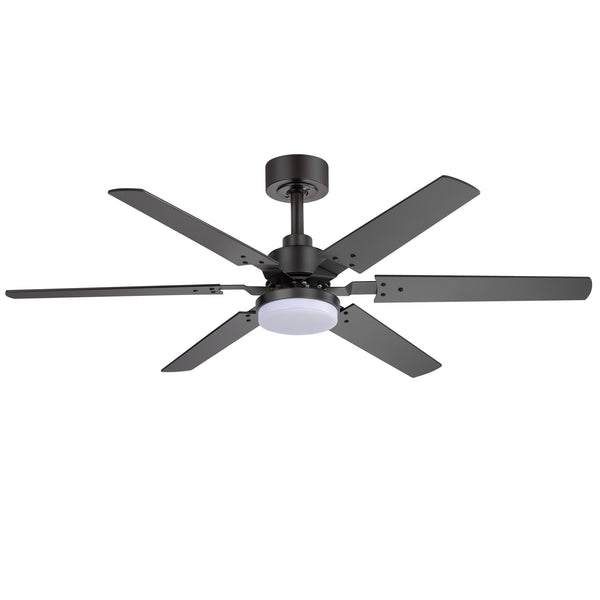
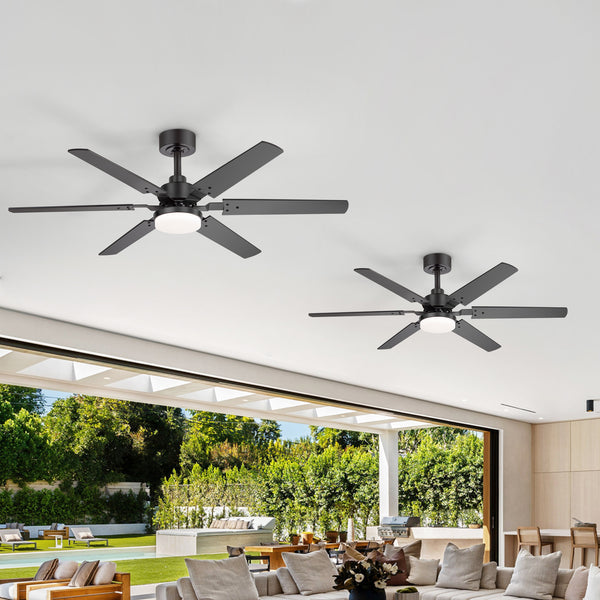
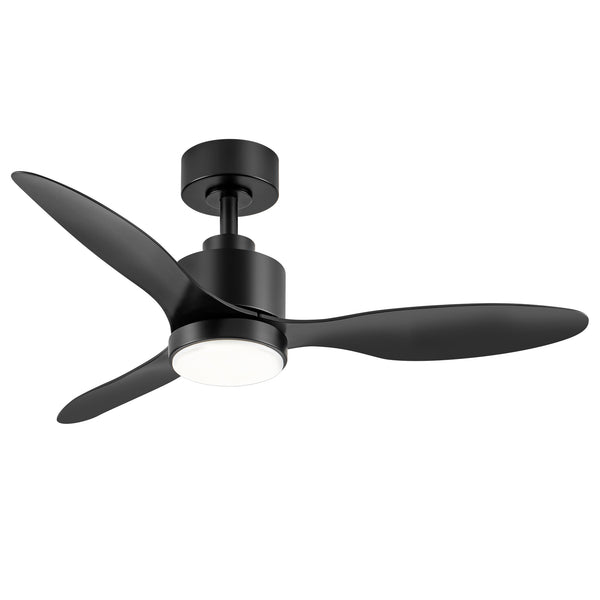
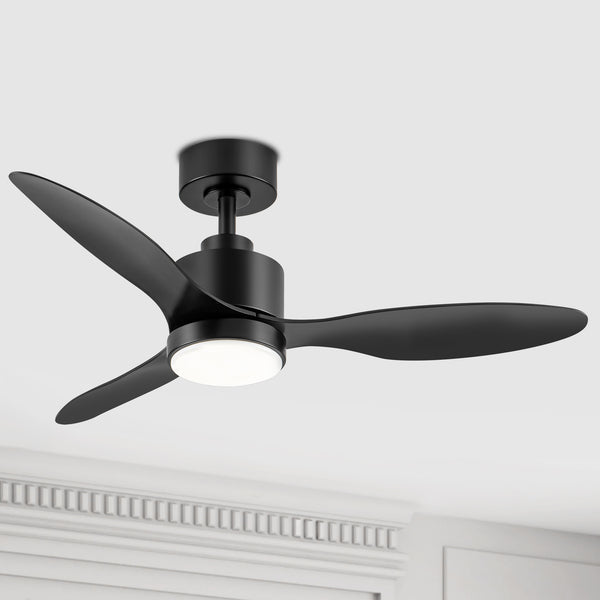
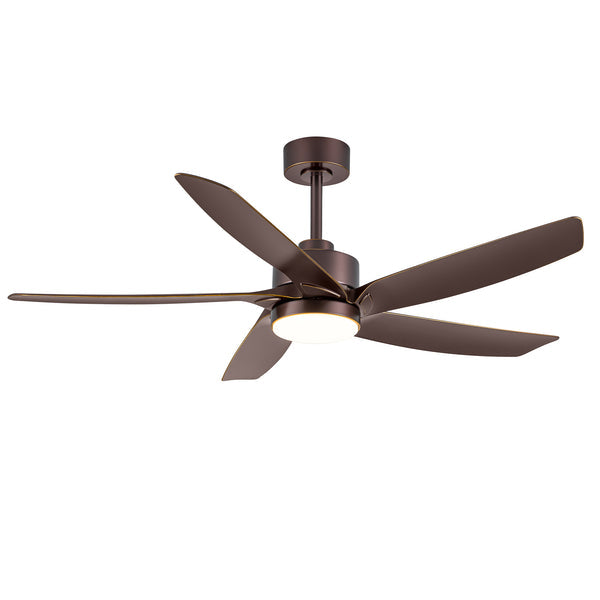
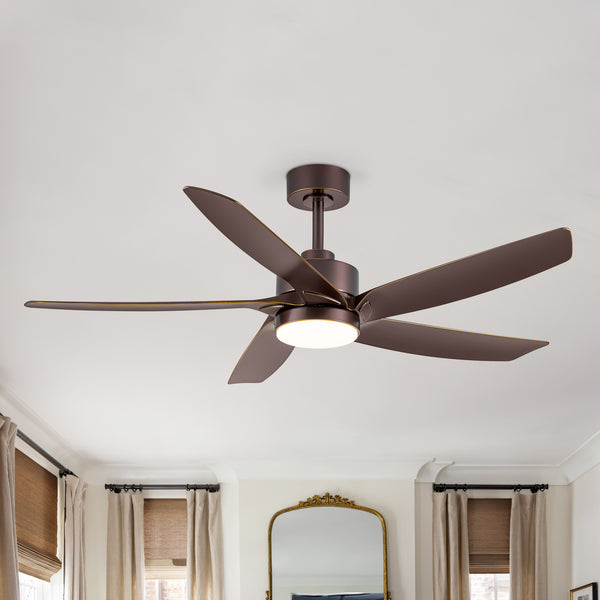
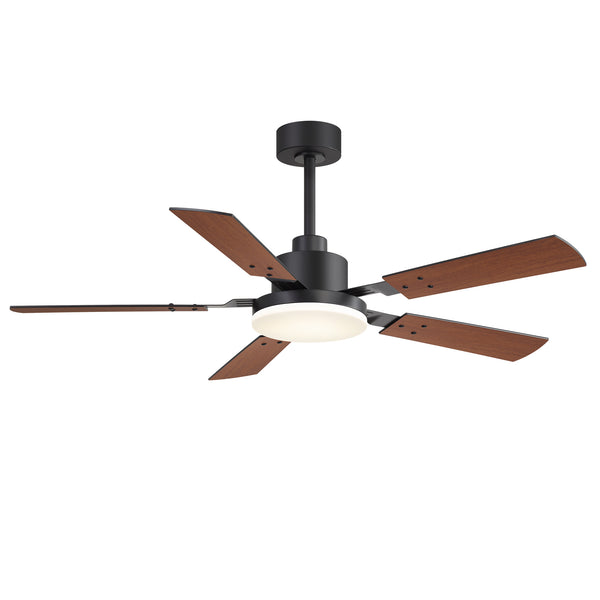
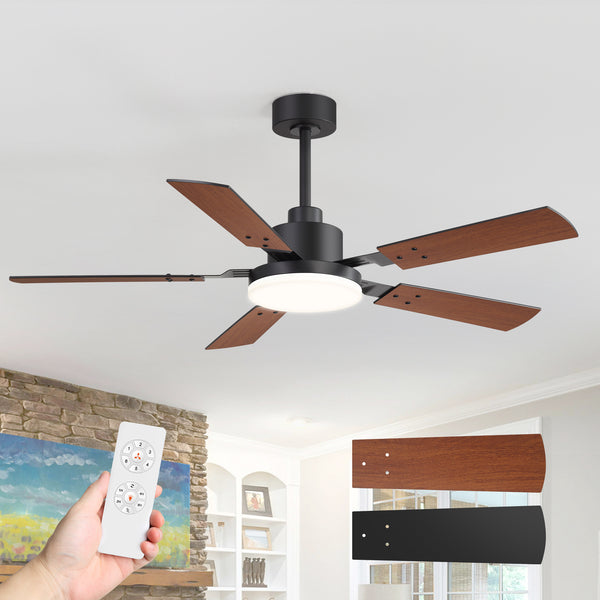
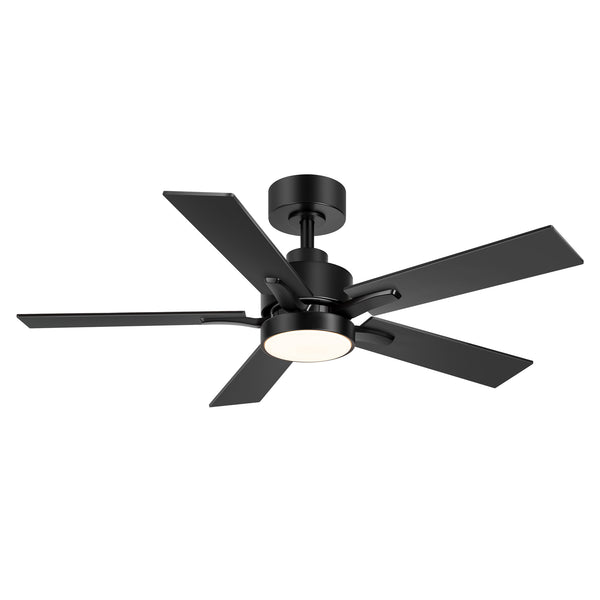
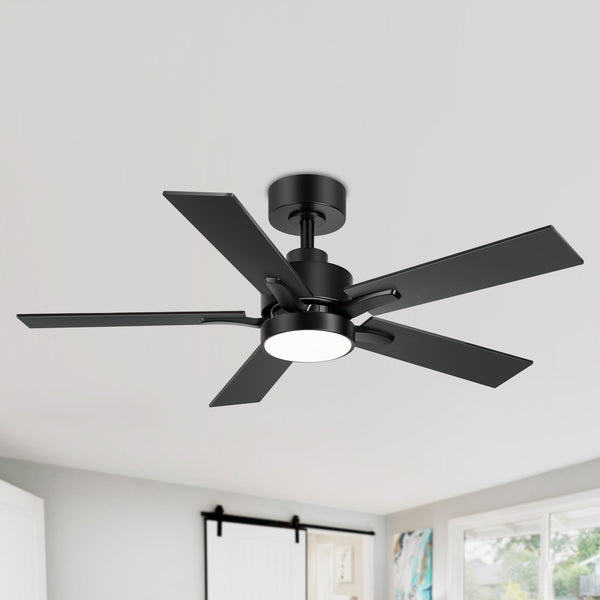
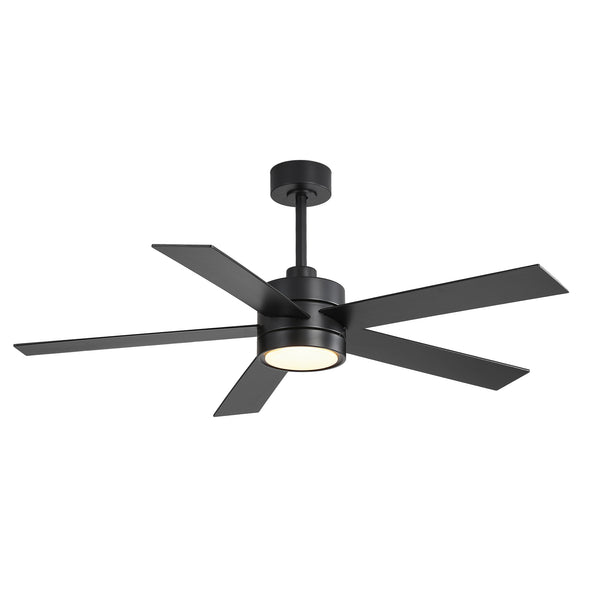
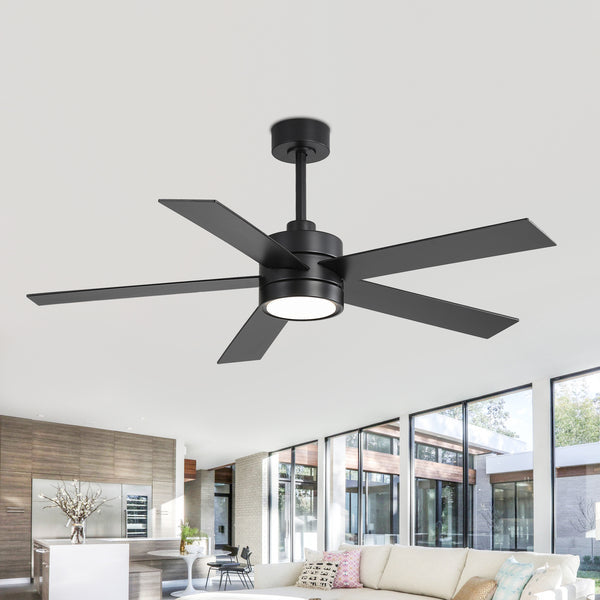
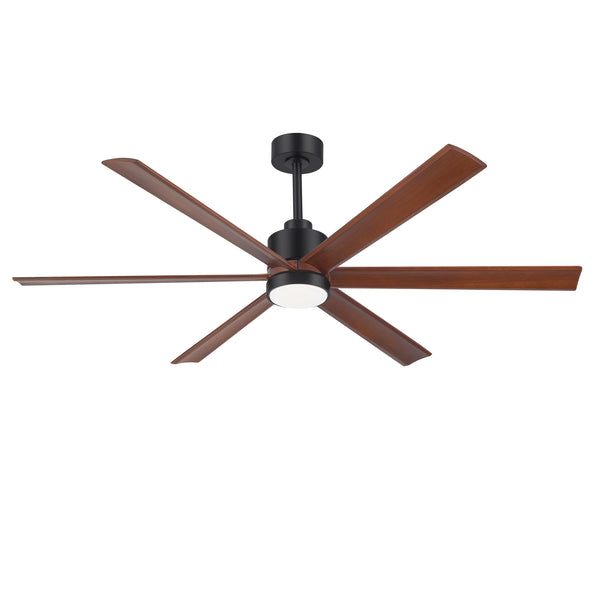
Shop Large Bedroom Ceiling Fans by Size, Mount & Feature
Choosing a Ceiling Fan for a Large Primary Bedroom
Choose for nighttime first. A bedroom fan may turn for hours on a low setting while you sleep. Smooth slow speeds and easy control from bed matter more than peak airflow. Then size it to the room, not to the word large: a bedroom of 200–350 sq. ft. is well served by a 52–60 in. fan.
Size it to the sleeping area
Measure the open part of the bedroom and leave out the bathroom, the closets and any walled-off dressing area. The sizing chart pairs 350–500 sq. ft. with 60–72 in. fans. A suite with a separate sitting area may be better served by one fan per zone than by a single oversized fan.
Judge the slowest speed, not the fastest
A bedroom fan spends most of the night on its gentlest settings. Check how many speed steps it has and how low the first one goes. A DC motor tends to run more quietly than an AC one. Even so, a loose canopy, an unbalanced blade or a weak ceiling box can add a hum or a click.
Put light control at the bedside
If the fan is also the room's ceiling light, look for separate fan and light buttons, dimming and a warm or neutral white you like. A sleep timer can shut the fan down once you have dozed off, and some lights remember their last setting. If lamps already light the room, a no-light fan avoids glare above the pillows.
Check the drop over the bed
A big bedroom does not always have a tall ceiling. Add up the canopy, downrod, motor housing and light to get the total drop. Then check that the lowest blade edge sits no less than 7 feet up. Ceilings that top out near 8 feet usually suit a flush-mount model better than a downrod fan.
Clear the doors and wardrobes
The fan does not need to sit dead center over the mattress. Hang it from a fan-rated box where the blade sweep clears wardrobe doors, the entry door, beams and tall furniture. If the existing box is in the wrong place, a licensed electrician can tell you whether a fan-rated box can go where the fan belongs.
| What you notice | What to do |
|---|---|
| Blade tips close to walls, doors or a wardrobe | Step down a size or move the mounting point. |
| A strong draft even on the lowest speed | Choose a smaller span or a fan with more speed steps. |
| The fan looks heavier than the bed | Pick slimmer blades, a compact housing or a lighter finish. |
| The light kit hangs low over the bed | Consider a flush-mount or no-light model. |
Open the wardrobe and closet doors before you mark the fan spot; the blades have to clear them when they swing.
Large Bedroom Ceiling Fans FAQs
Is a 60-inch ceiling fan too large for a bedroom?
Not for a large one. On the sizing chart, 60 inches fits both the 200–350 and the 350–500 sq. ft. bands. In a smaller or crowded bedroom, wardrobes, doors and beams can leave too little room around the blades, so measure first.
Can you put a 72-inch ceiling fan in a bedroom?
Yes, in a very large or open primary suite, but it should not be the default. A 72-inch fan belongs to the chart's 350–500 sq. ft. band. In a divided suite, two smaller fans may suit the layout better: one over the bed and one over the sitting area.
Are large bedroom ceiling fans noisy at night?
Not when they are chosen and installed well. Look for a smooth lowest speed and several speed steps; DC motors tend to be the quieter option. Read words like whisper quiet as a description unless a sound figure is published. If a new fan clicks or hums, check the canopy, blade screws and balance.
Does a fan over the bed need a light?
Only if it sits in the room's main ceiling-light spot. In that case, look for dimming and a warm setting for evenings, plus a light button that works apart from the fan. When bedside lamps or recessed lights already do that job, skip the fan light for a simpler ceiling.
Can I put a large fan on a low bedroom ceiling?
Yes, if it is a flush-mount model. On a ceiling of about 8 feet or less, a hugger fan is the normal pick. Add up the fan's full height, including any light, and make sure 7 feet or more remain under the blades. Never remove a required downrod to tuck a standard fan closer to the ceiling.
Is it cheaper to run a ceiling fan or air conditioning?
Usually the ceiling fan, but the two do different jobs. A fan uses less electricity and makes you feel cooler by moving air over your skin; it does not cool the air itself. Savings come when the breeze lets you raise the thermostat a little, and from switching the fan off in an empty room.


