
Ceiling Fans With Lights for Large Rooms
Ceiling fans with lights for large rooms pair a wide blade span with an overhead light. Most measure 60 to 84 inches and suit living rooms, great rooms and open-plan spaces, and many include a remote. Read the buying guide
45 products
45 products
Products
-
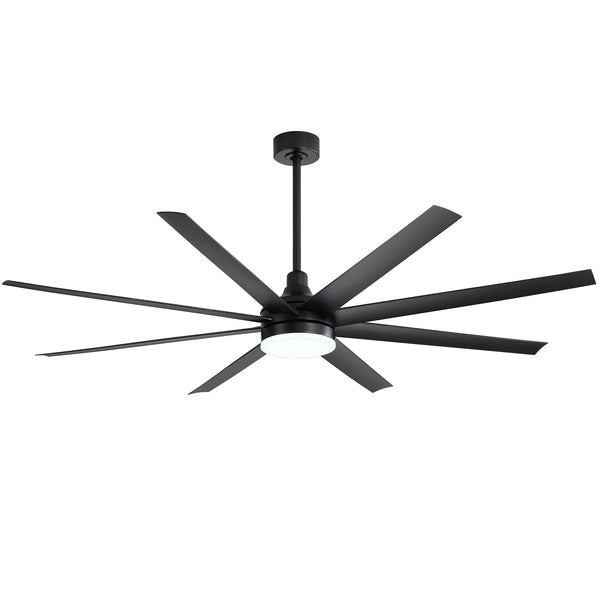
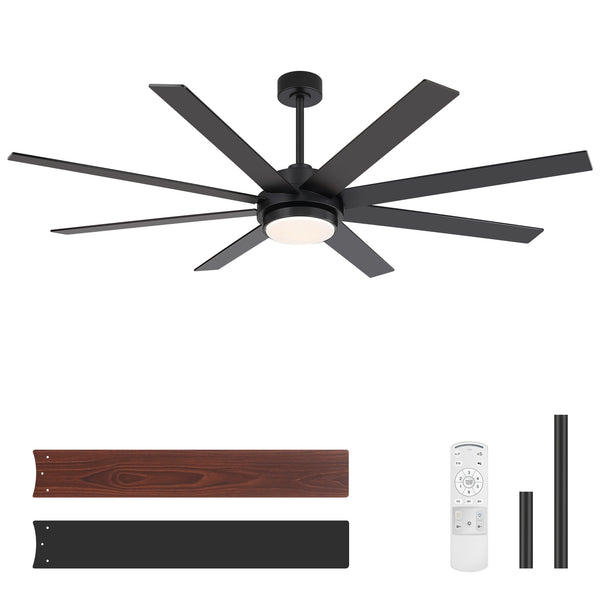
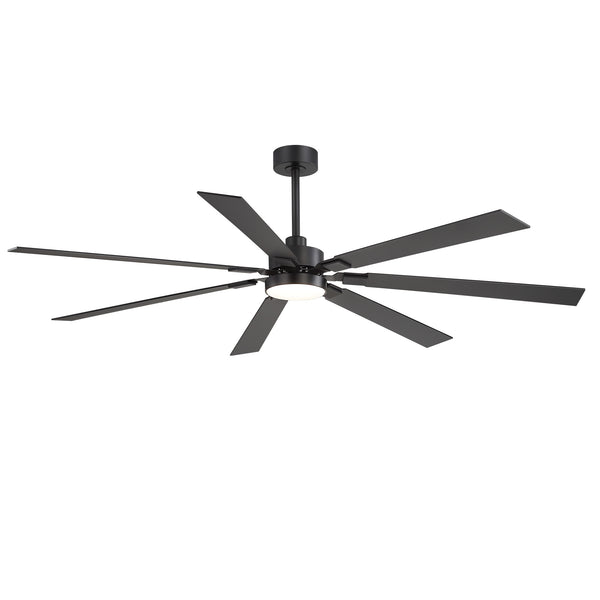
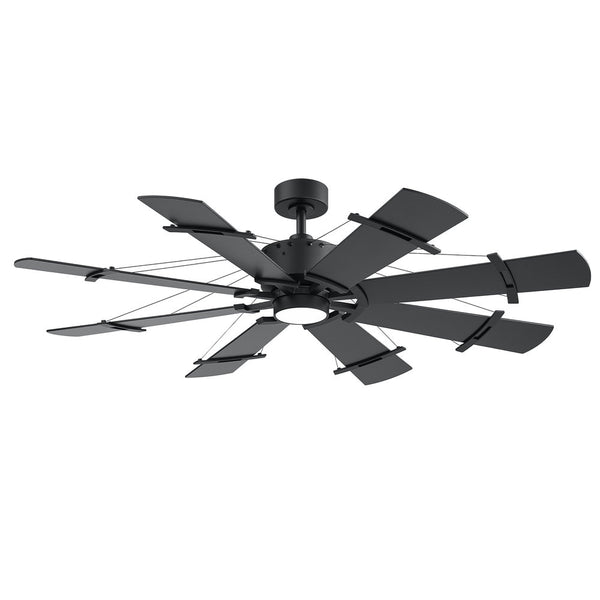
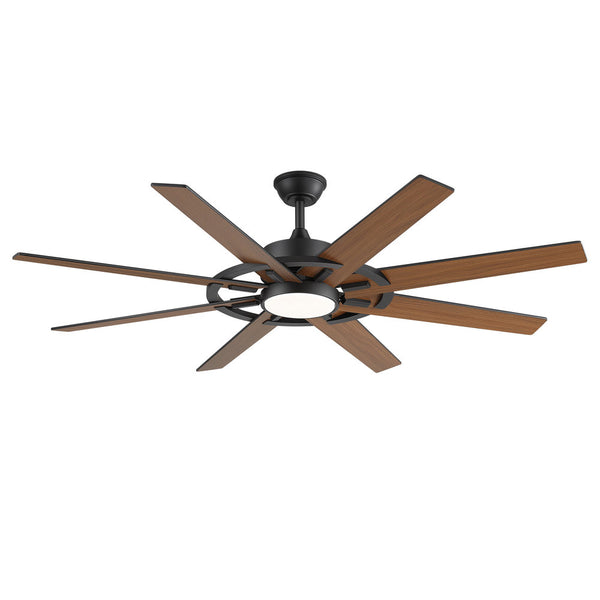
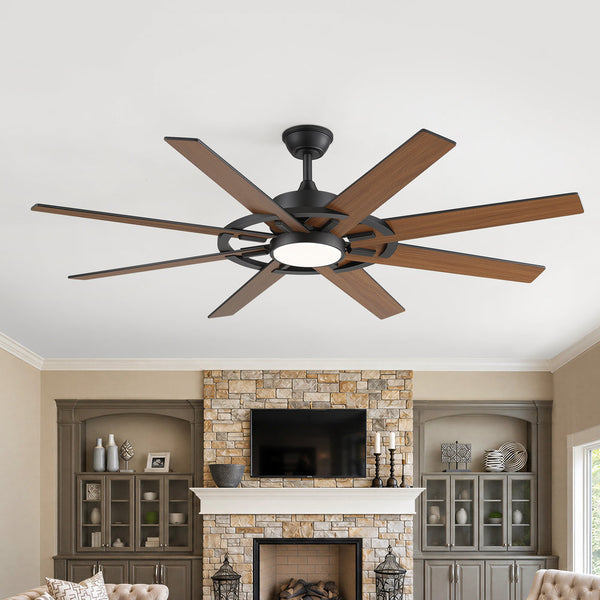
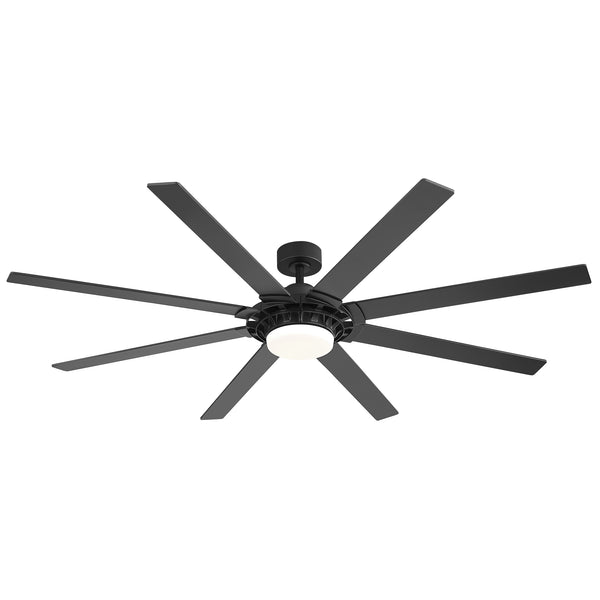
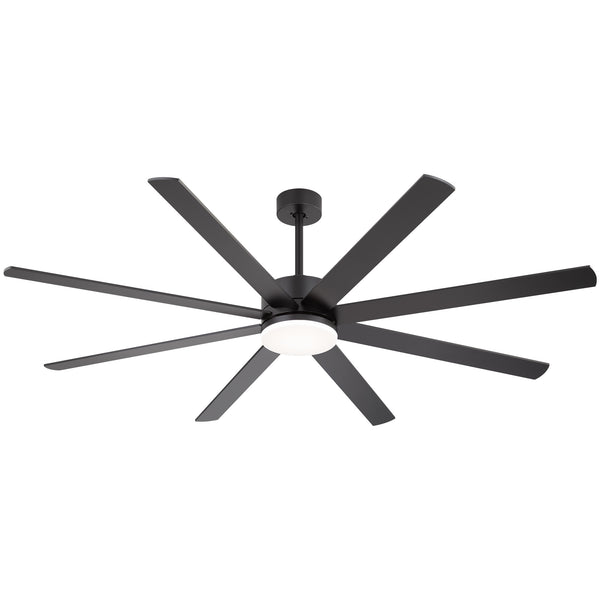
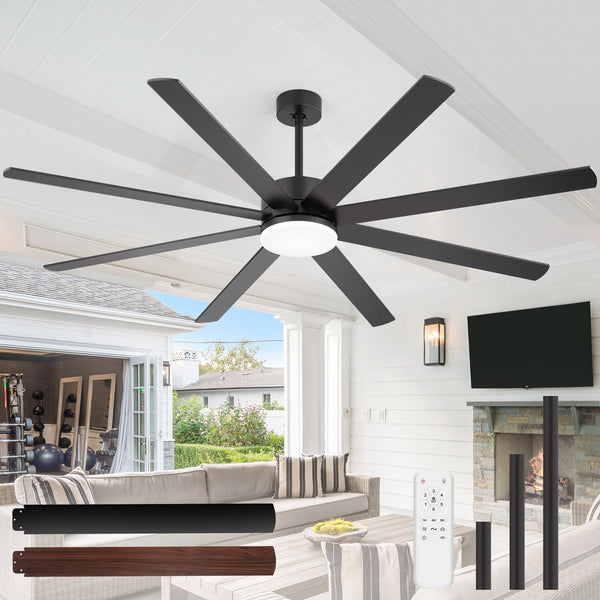
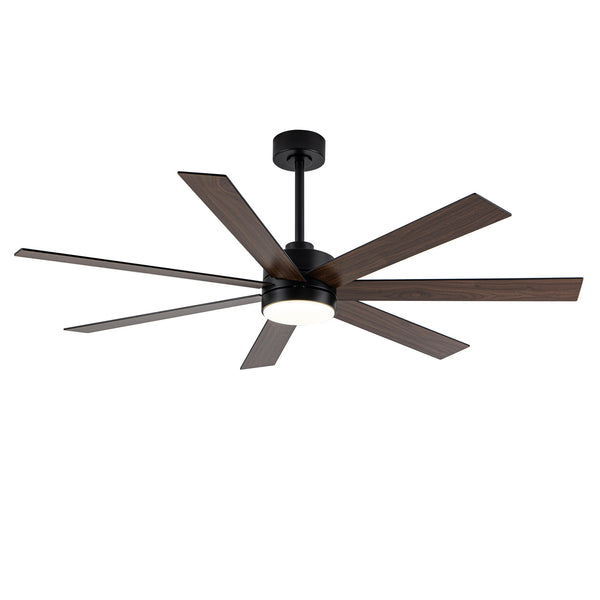
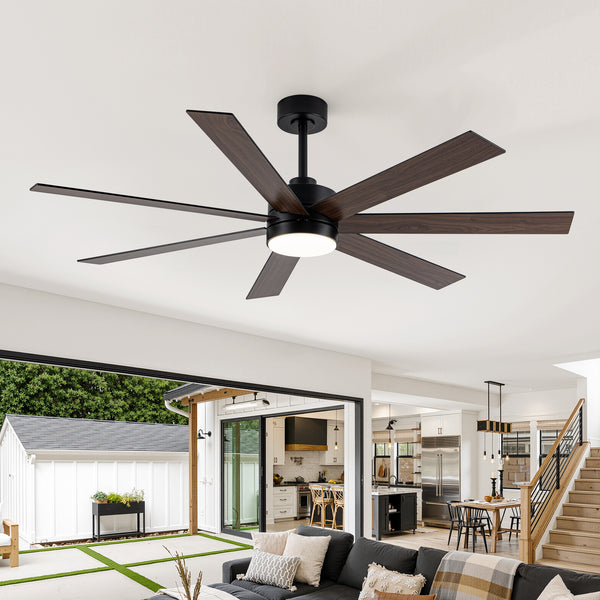
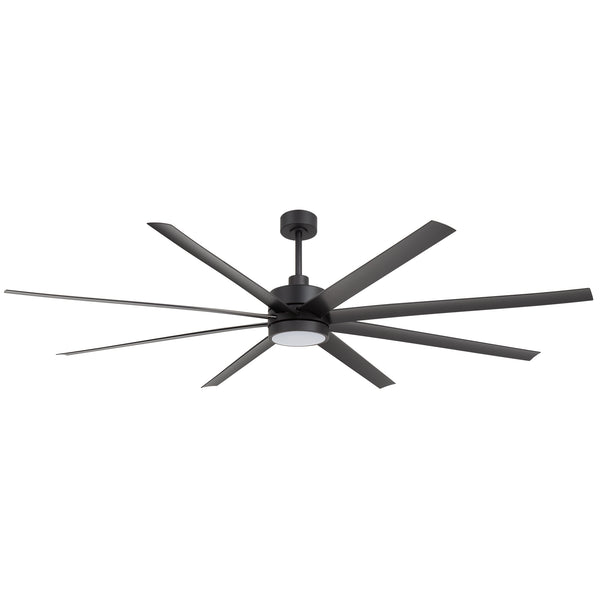
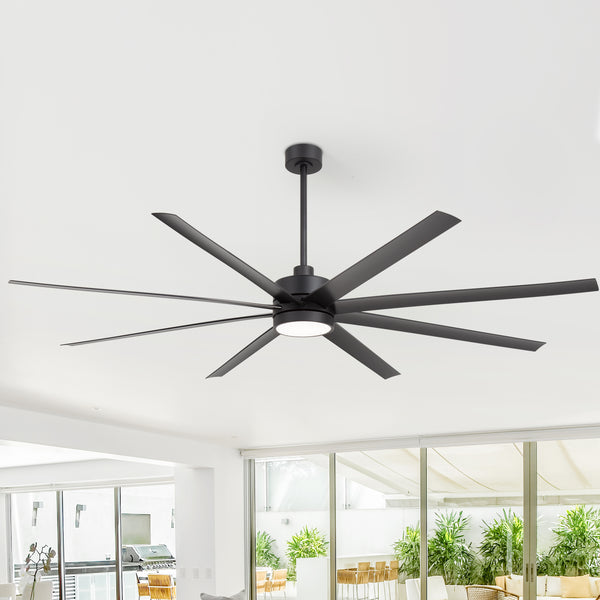
AeroSpan Lux 72" Large Black 8-Blade Ceiling Fan with Light & Remote
$159.99
Add to Cart$229.00Save 30% -
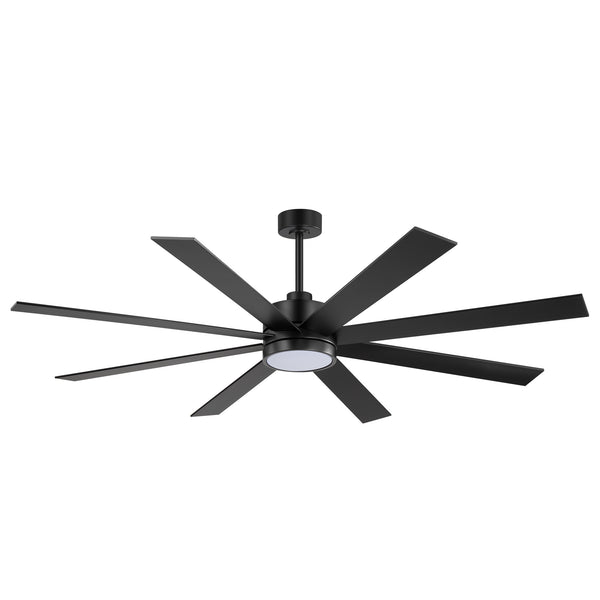
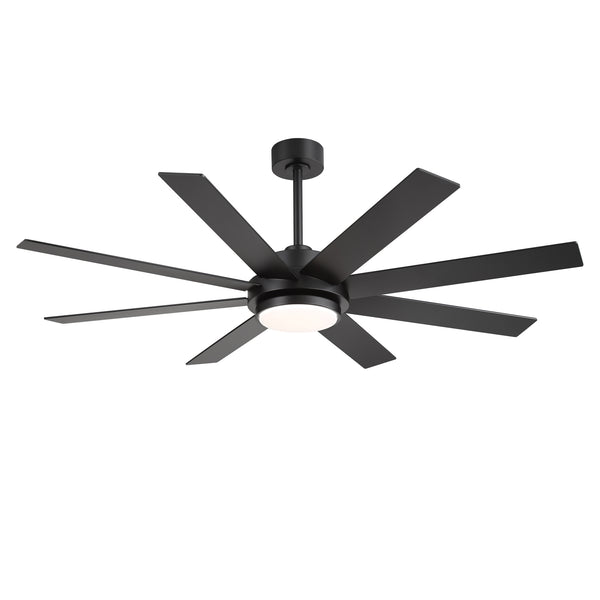
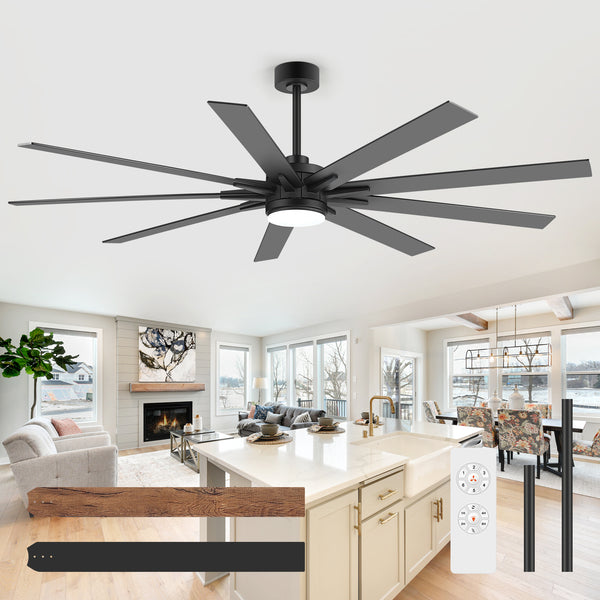
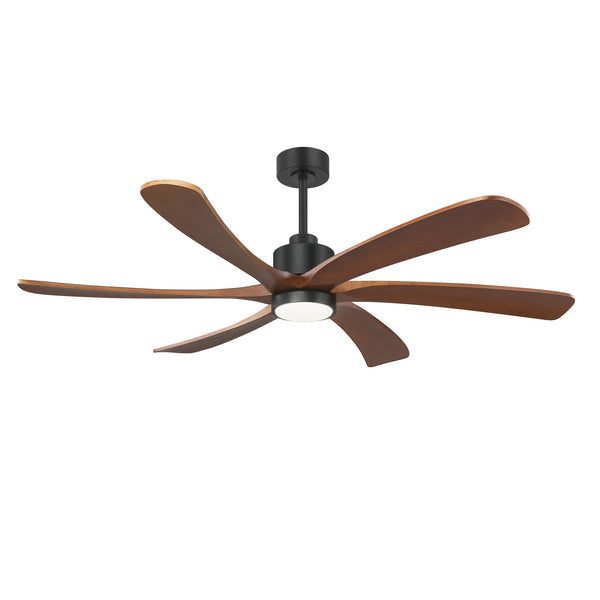
Noirframe 72/80 Inch Large Ceiling Fan With Light and Remote
From$84.99
Choose Options$299.00Save 72% -
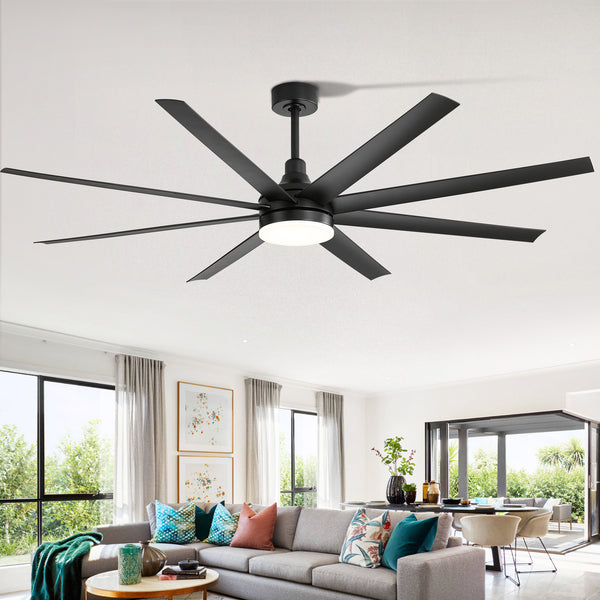
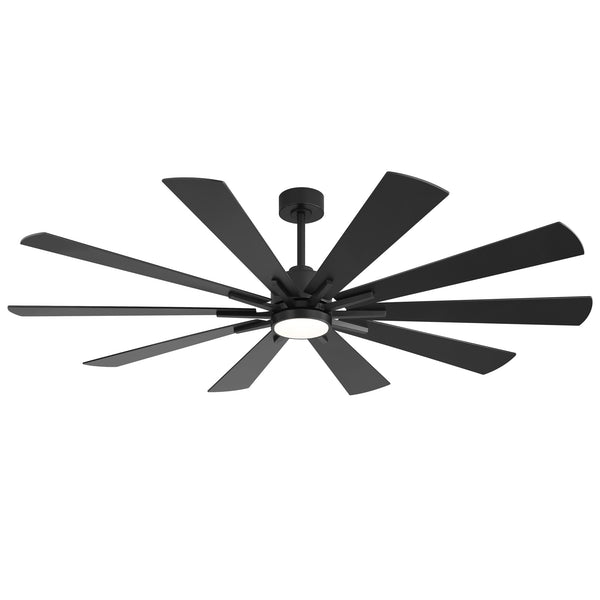
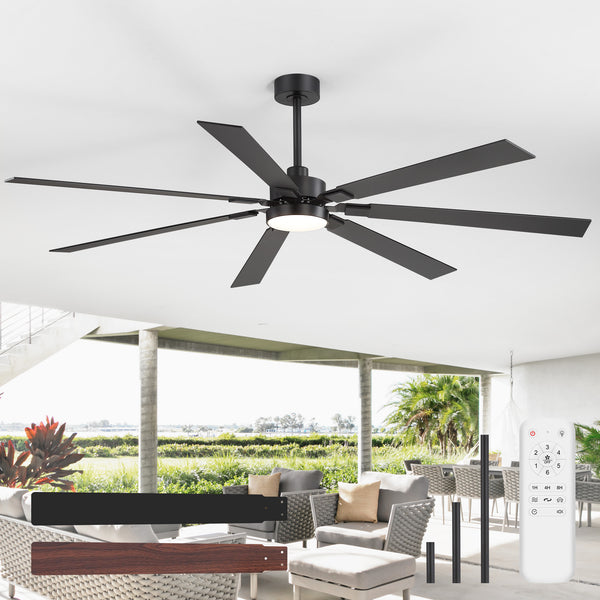
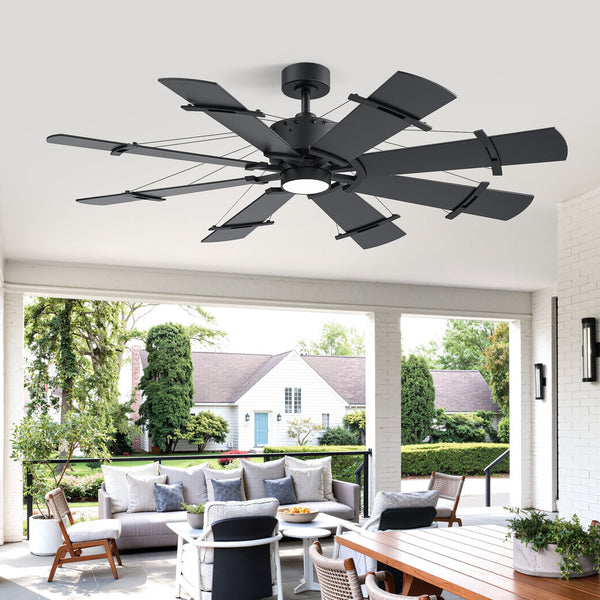
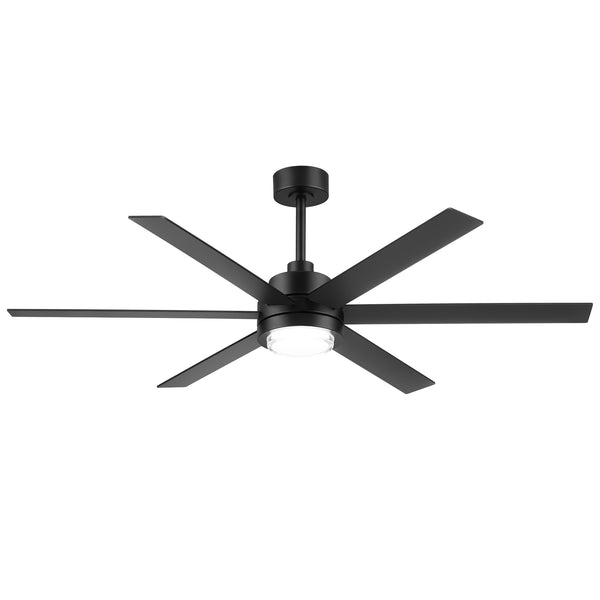
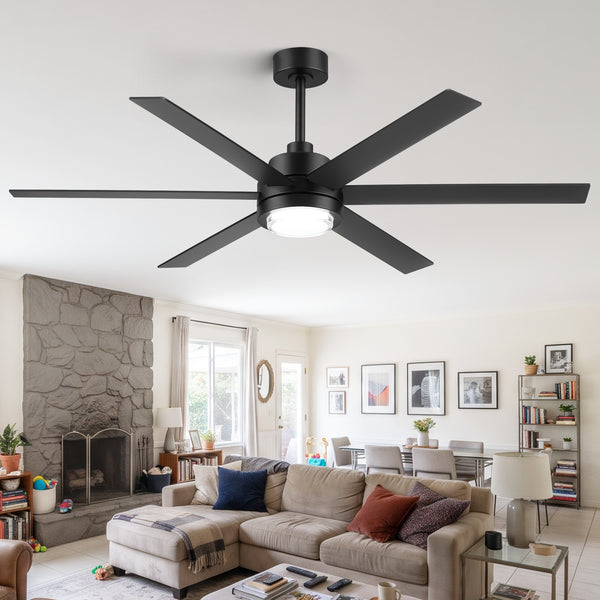
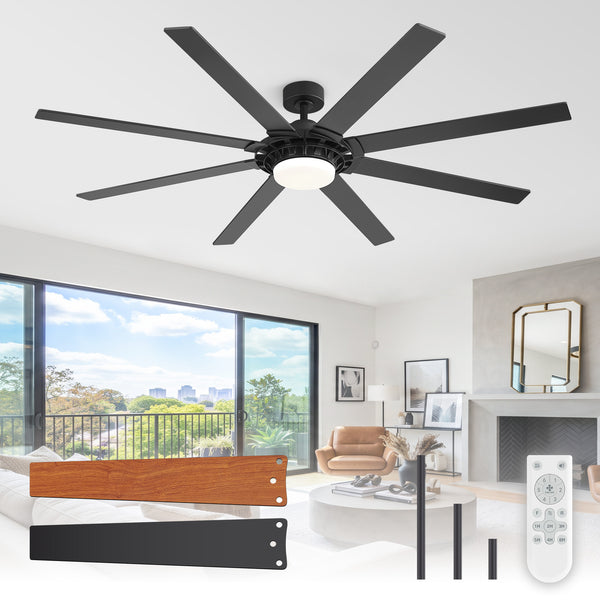
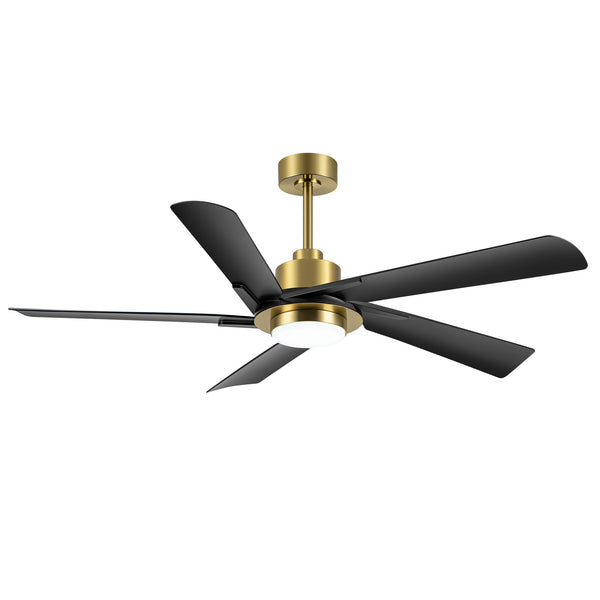
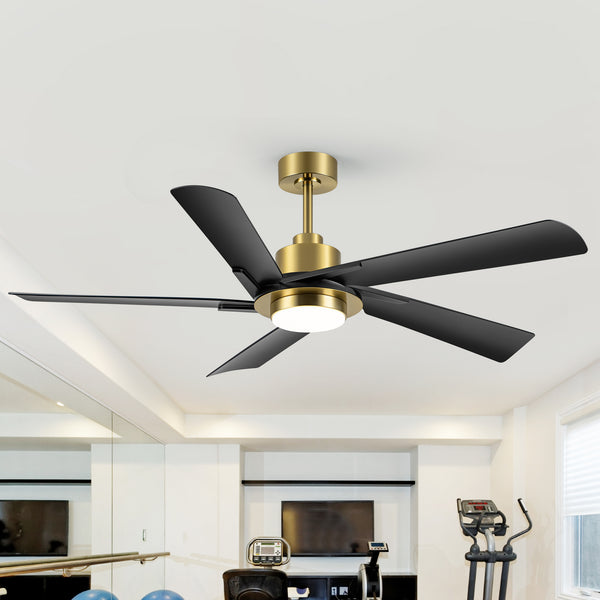
AeroSpan Lux 72" Large Black Ceiling Fan with Light & Remote
From$149.99
Choose Options$239.00Save 37% -
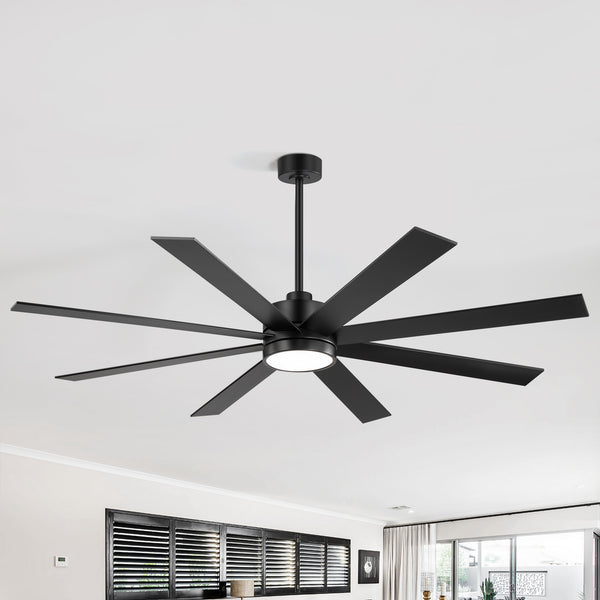
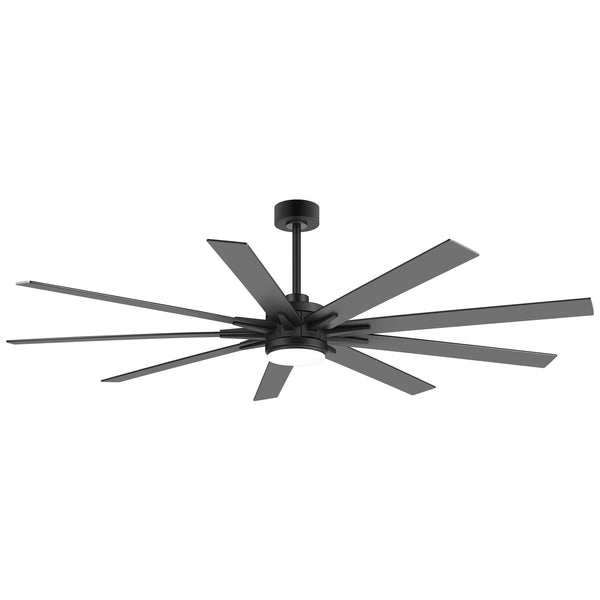
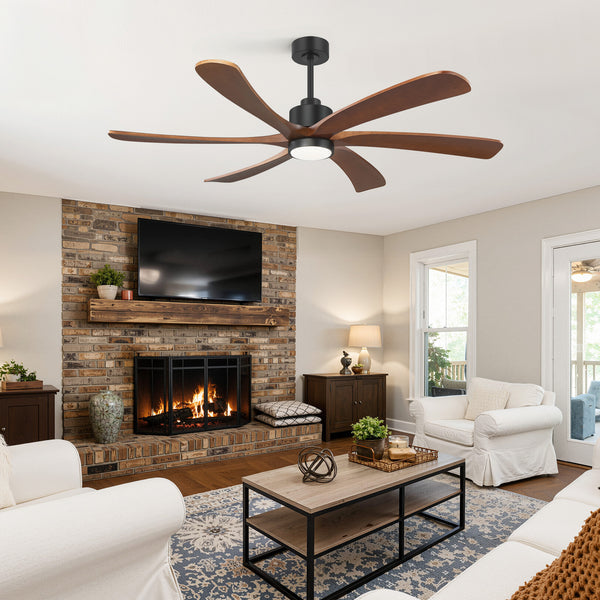
Aircrest 62/72 Inch large ceiling fans with lights for high ceilings
From$119.99
Choose Options$239.00Save 50% -
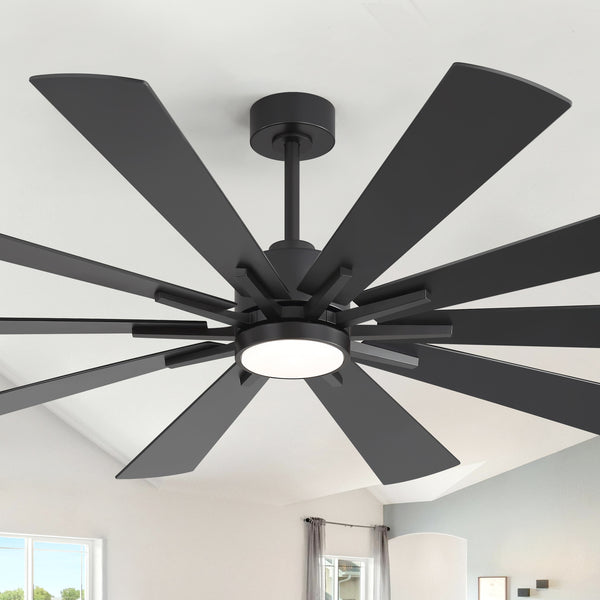
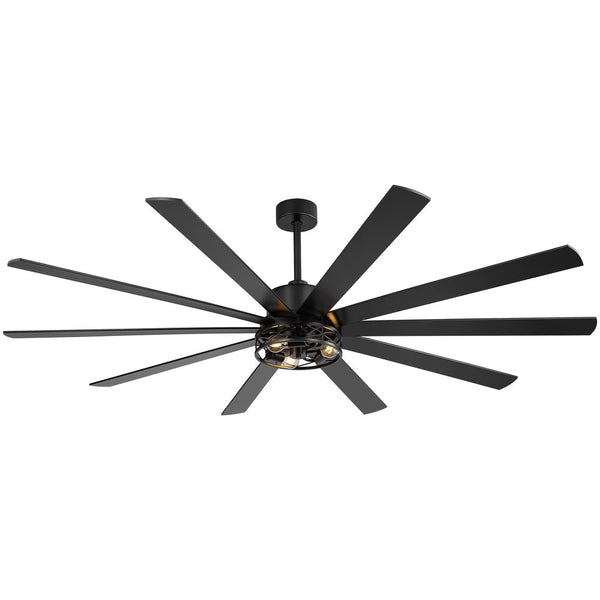
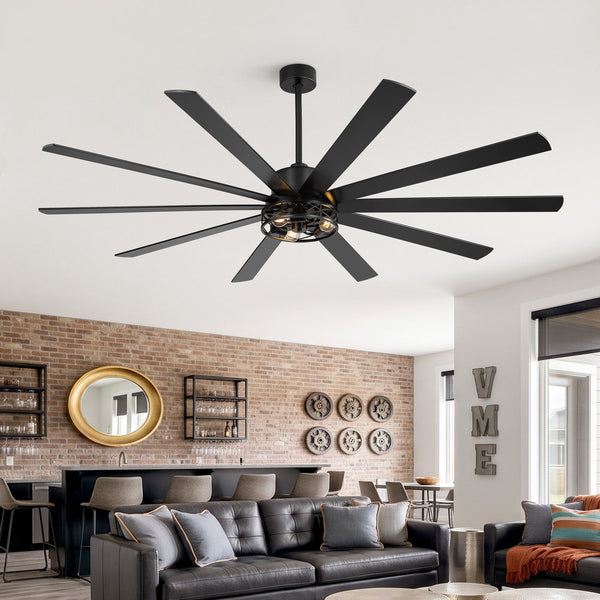
Virelia 84 Inch Large Ceiling Fan for Living Room With Light and Remote
$159.99
Add to Cart$299.00Save 46%
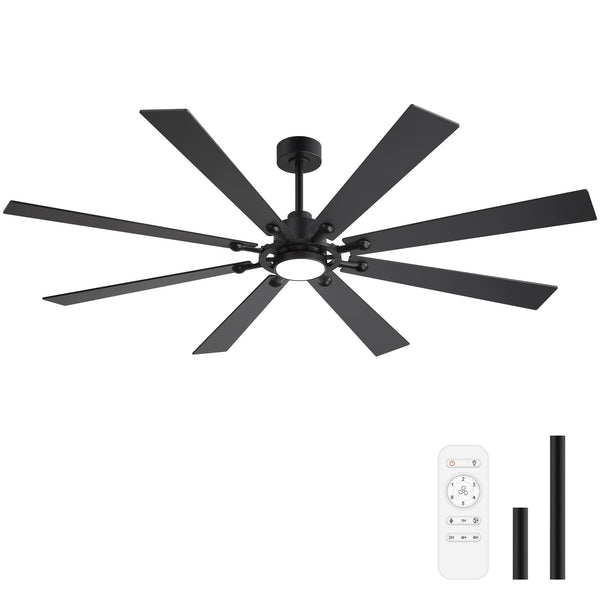
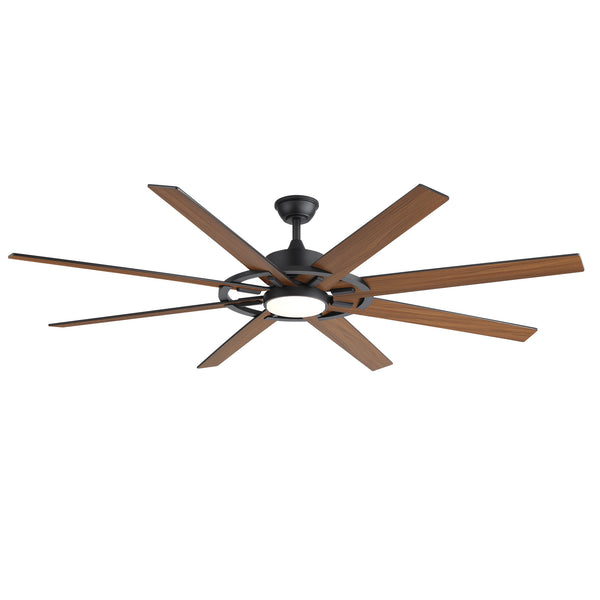
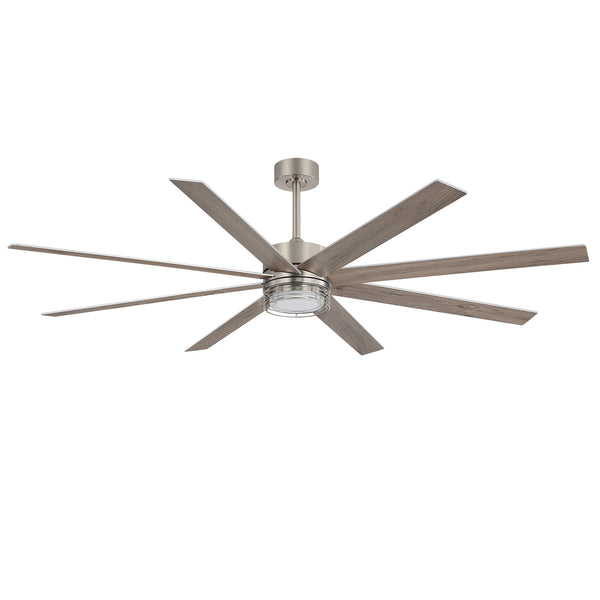
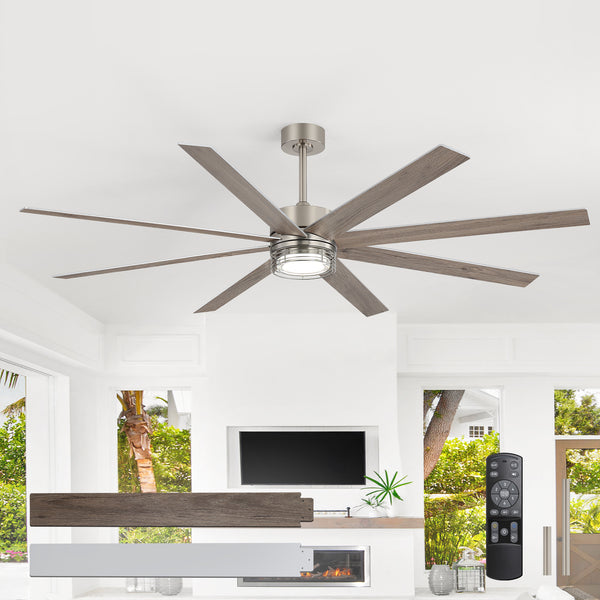
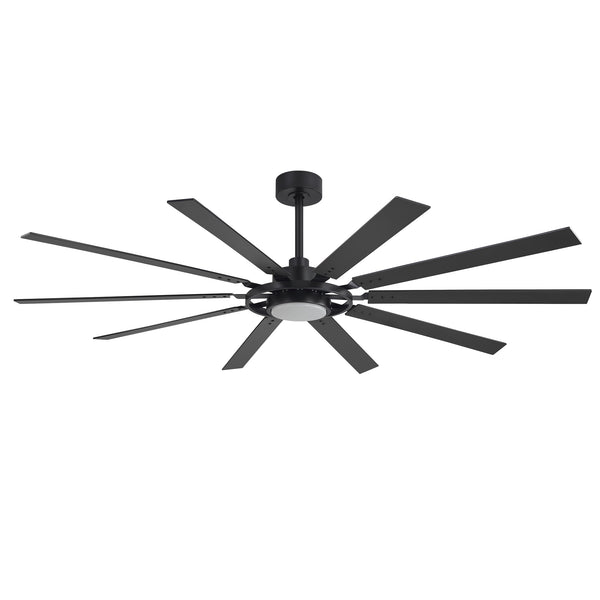
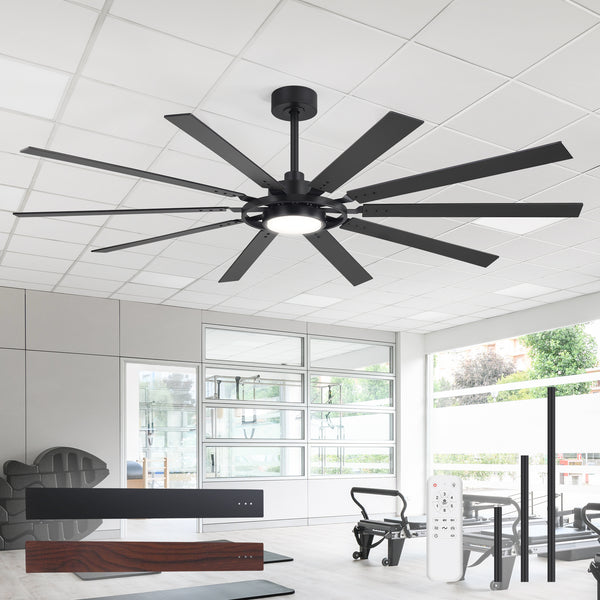
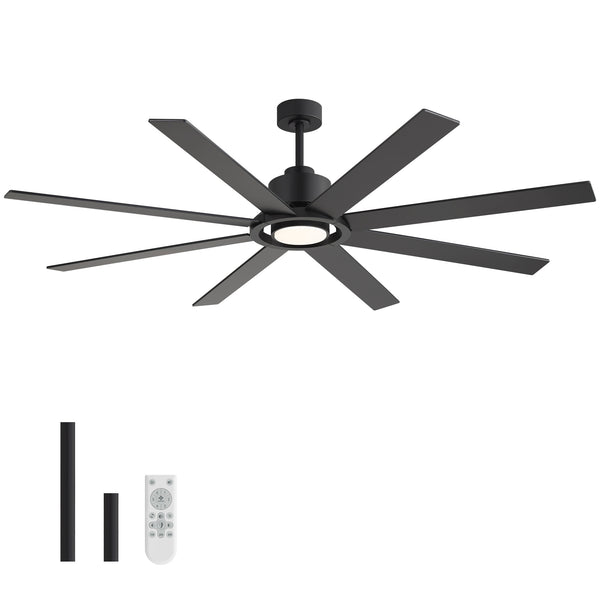
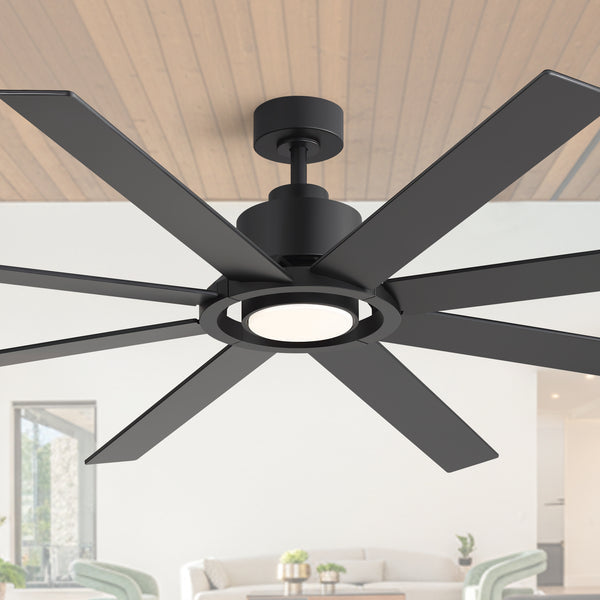
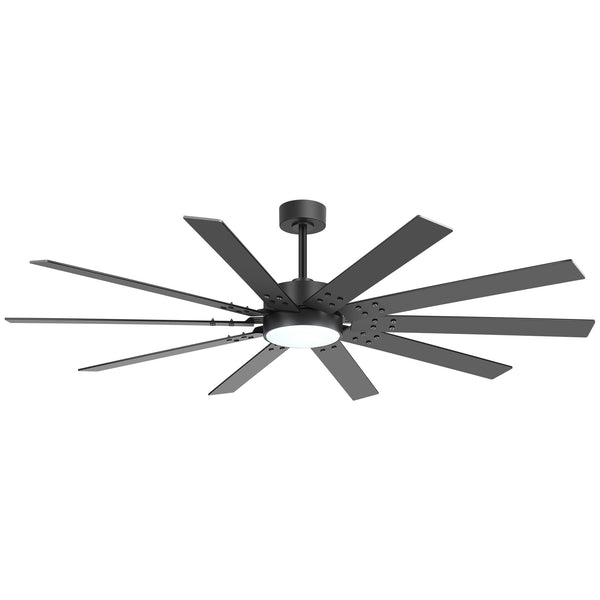
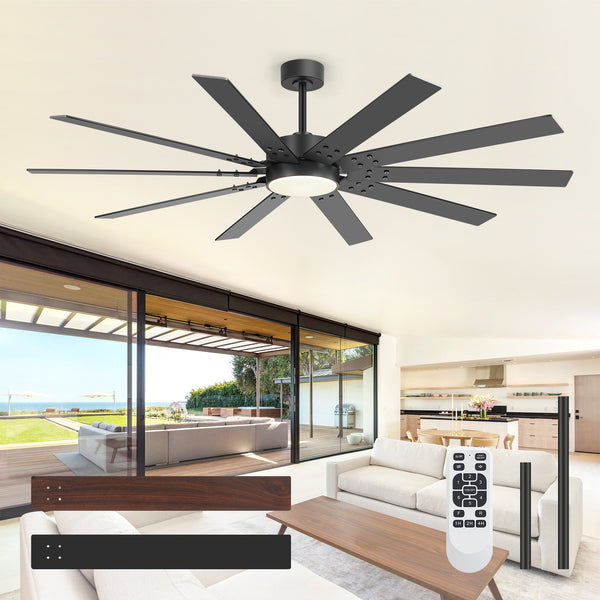
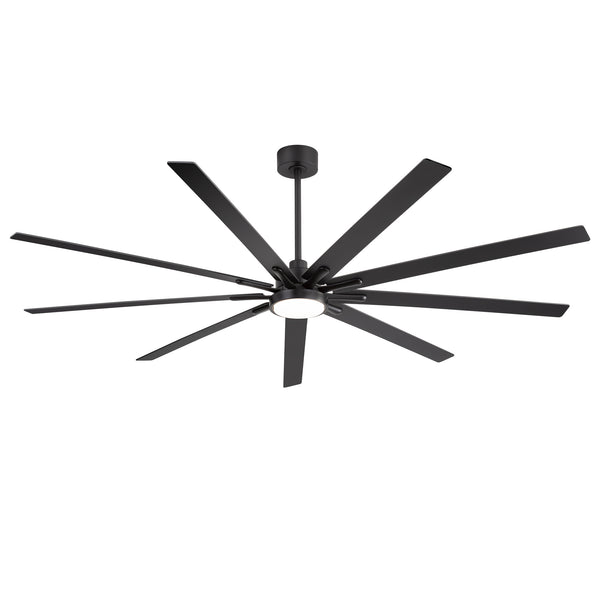
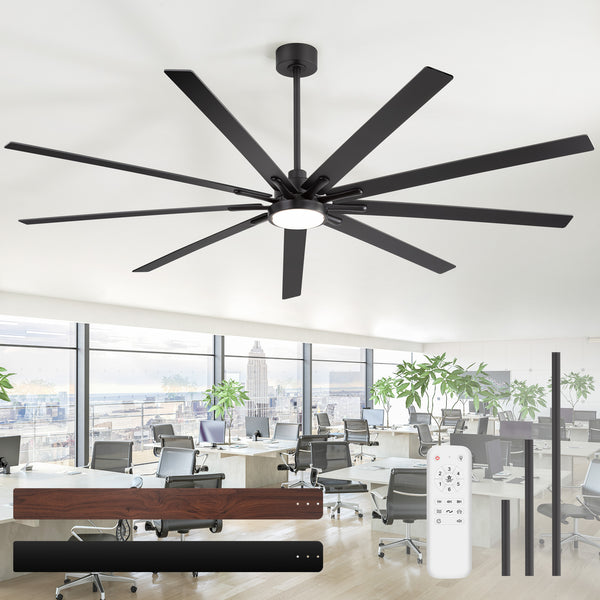
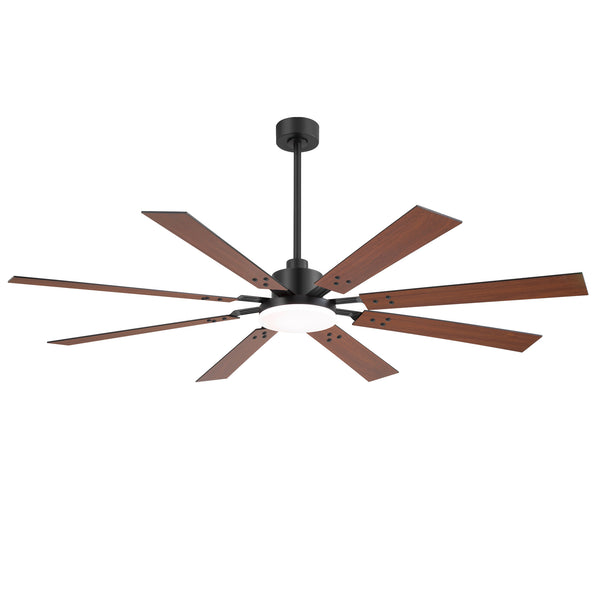
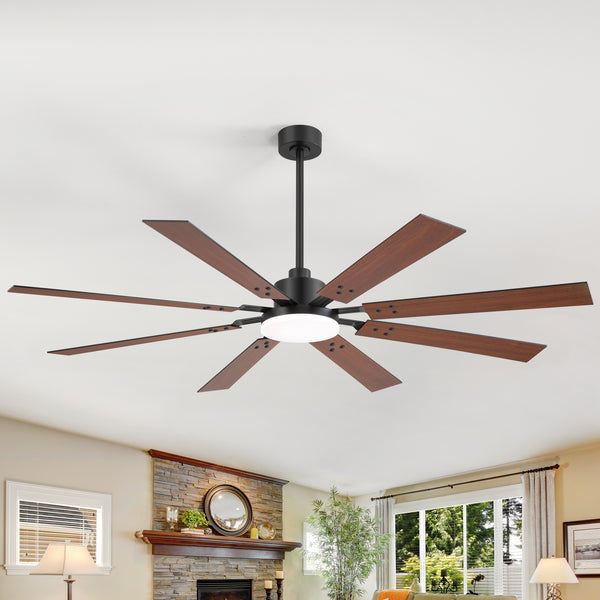
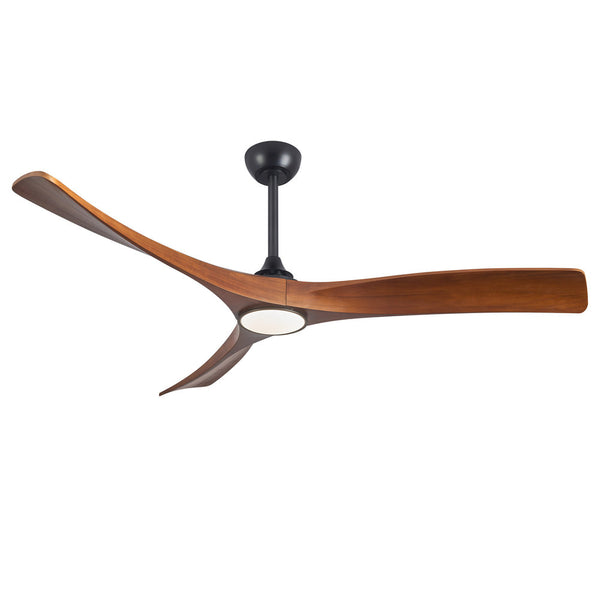
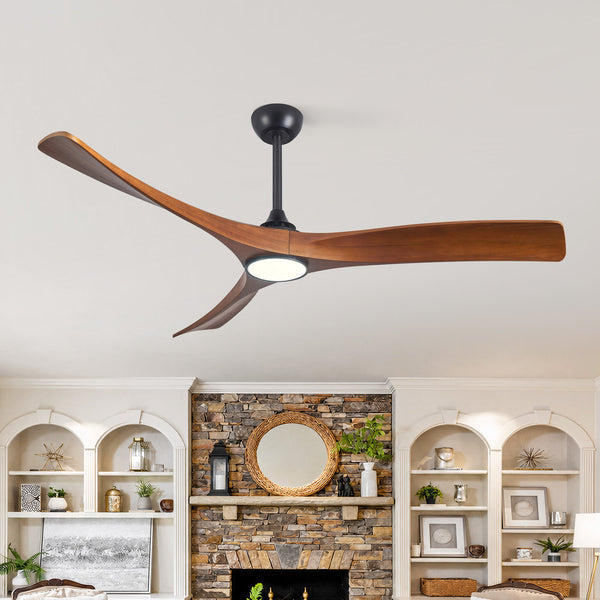
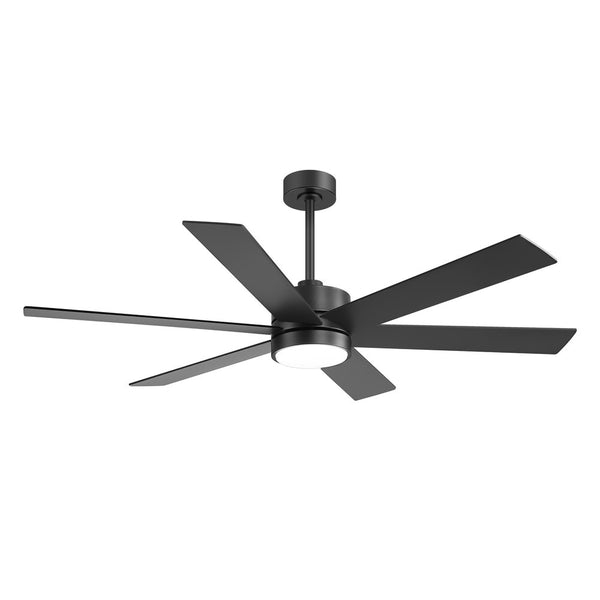
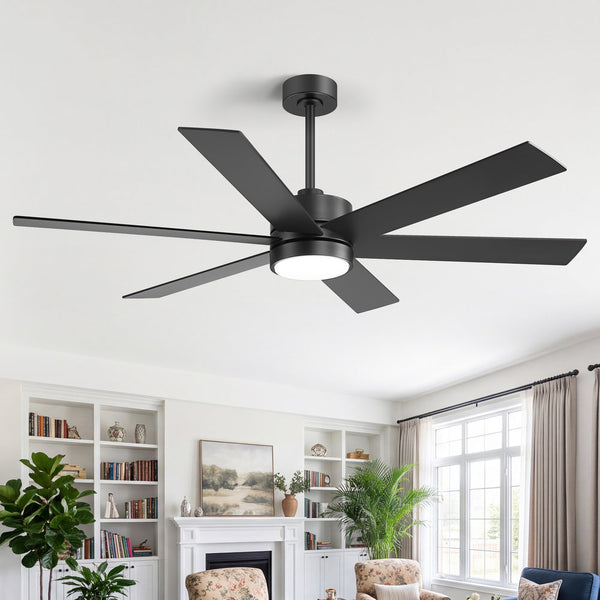
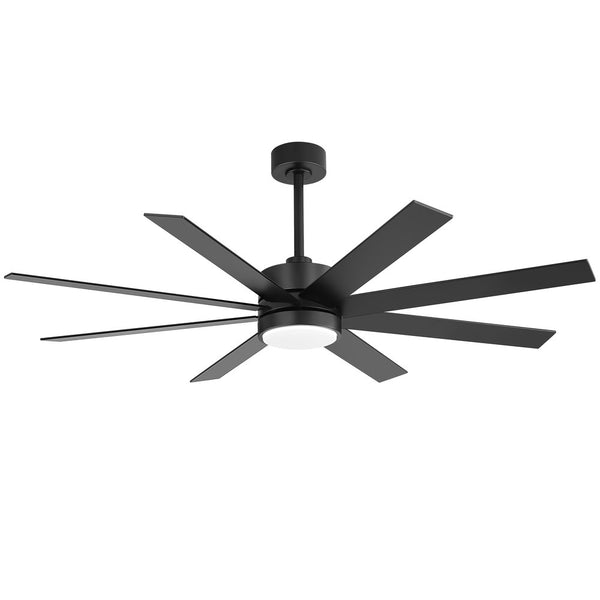
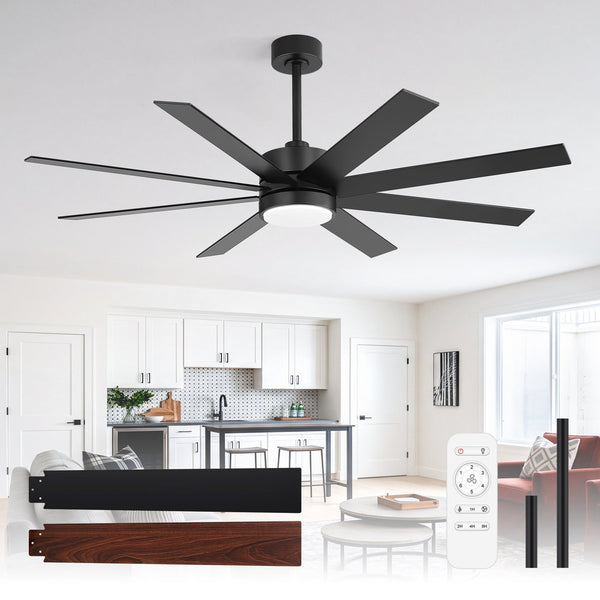
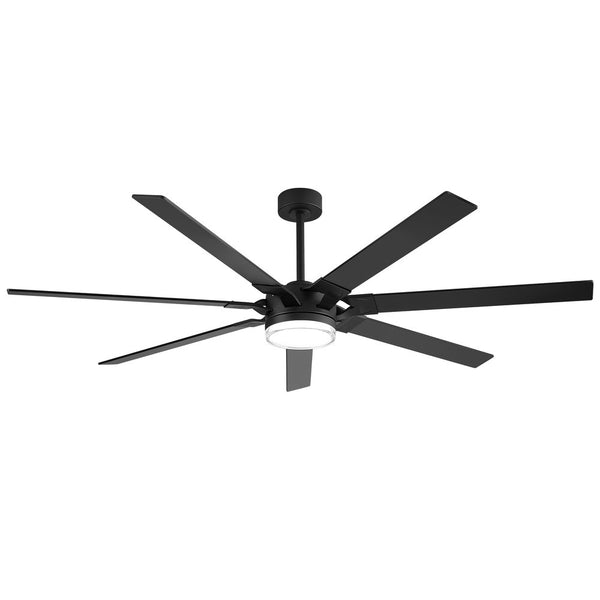
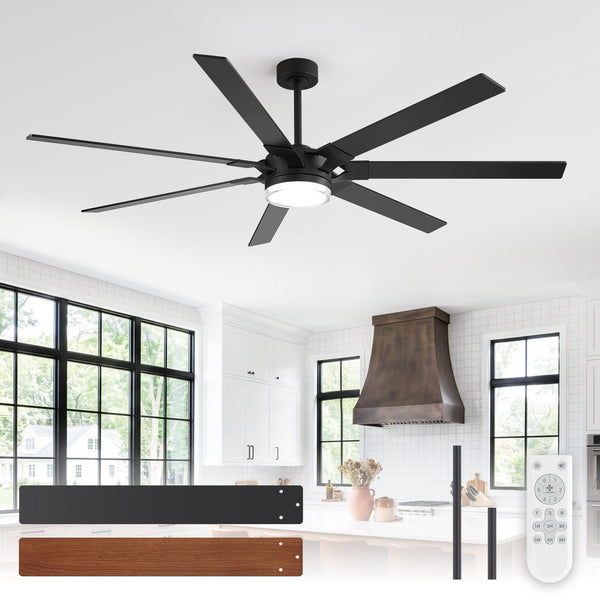
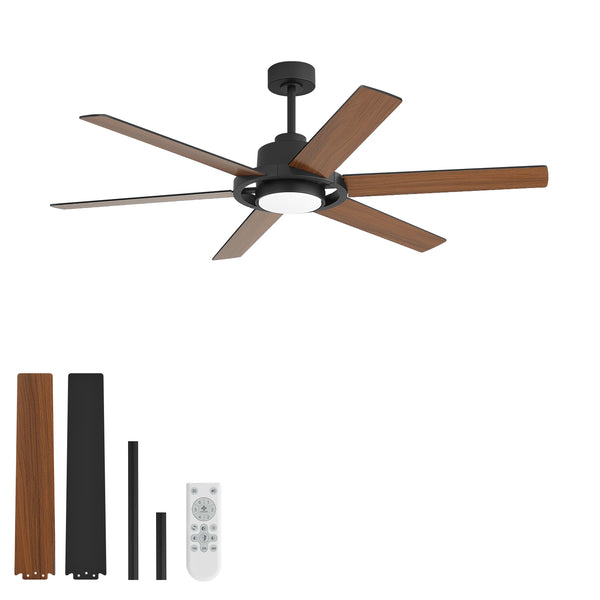
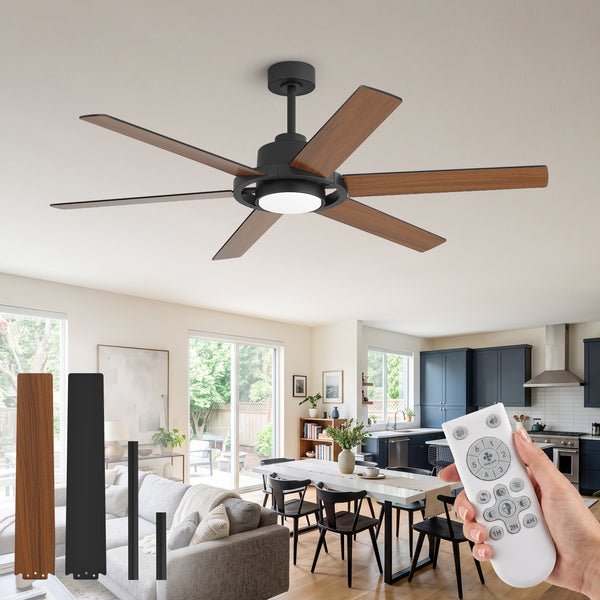
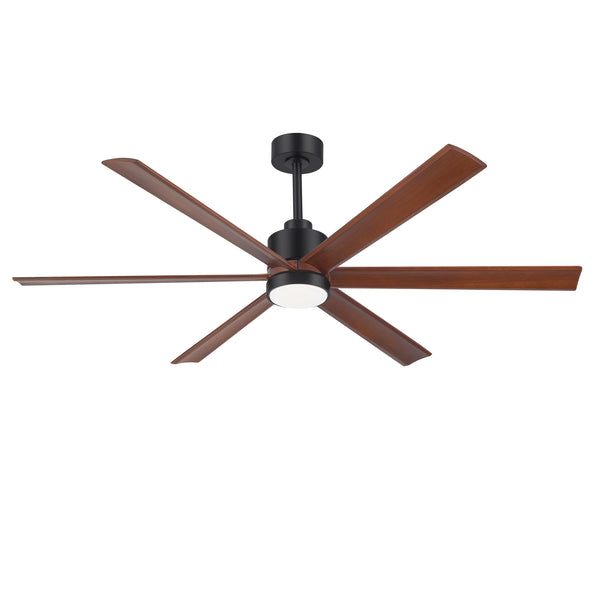
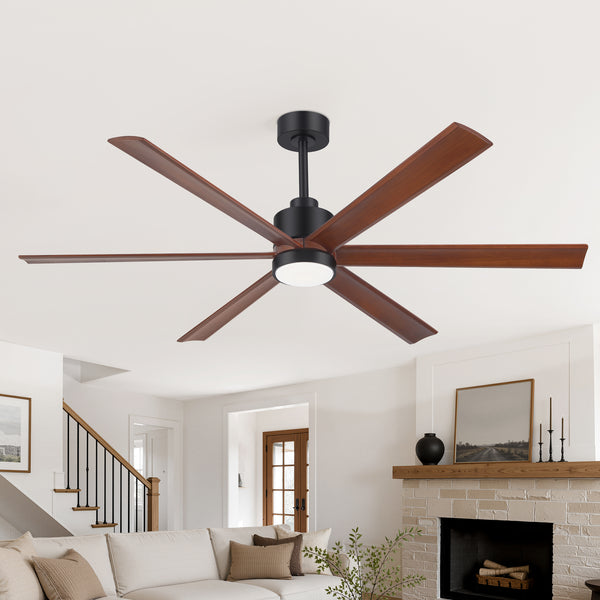
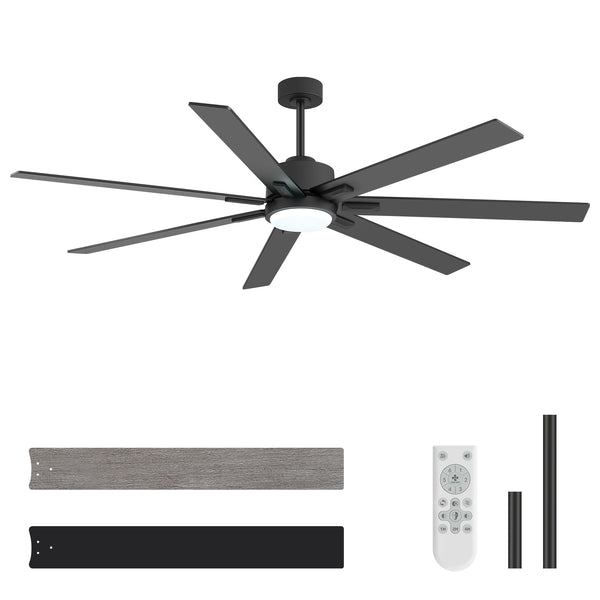
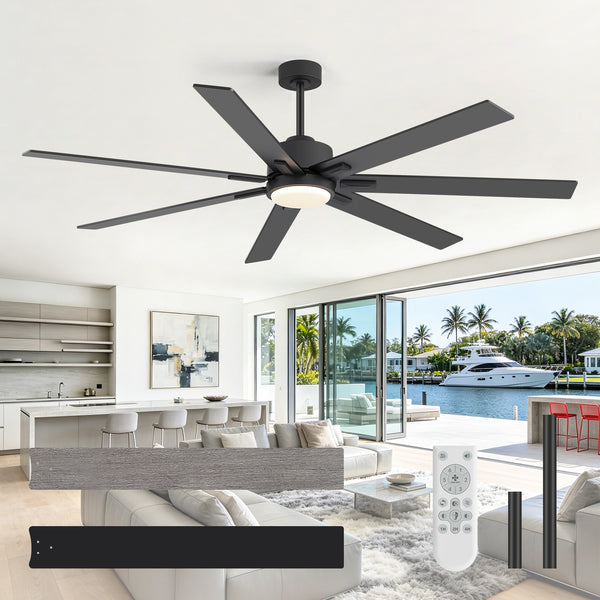
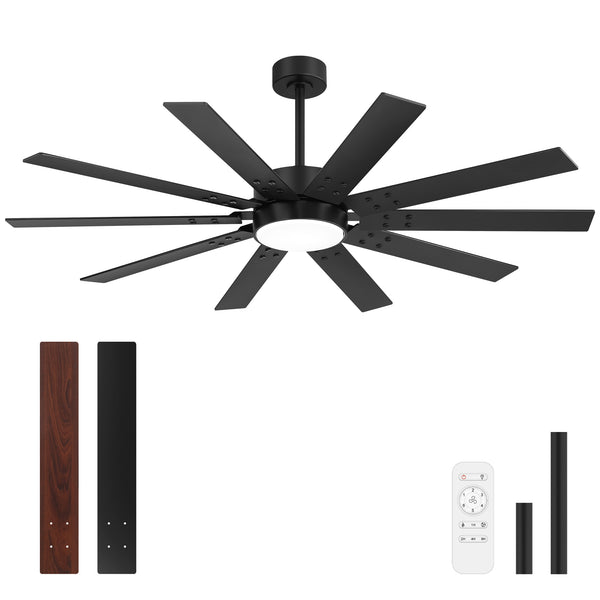
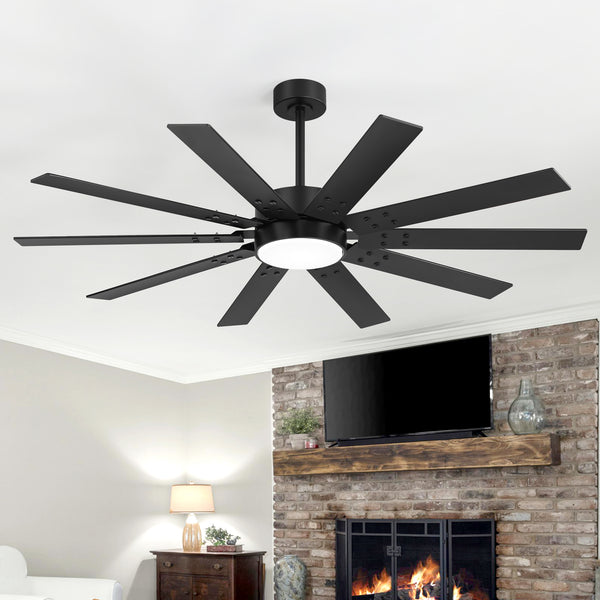
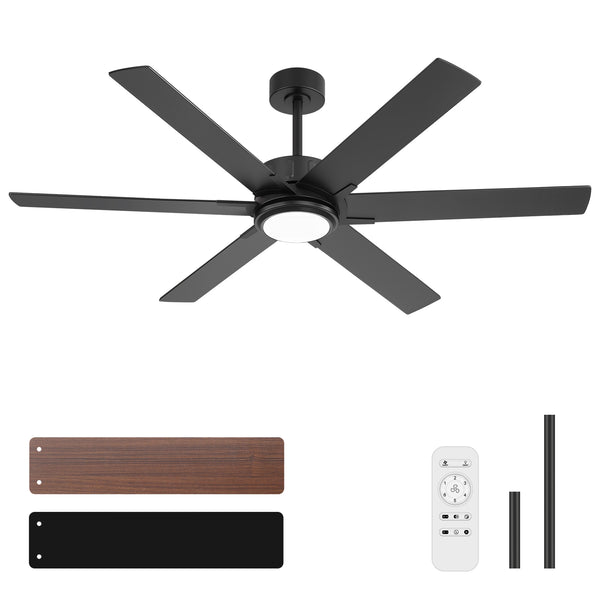
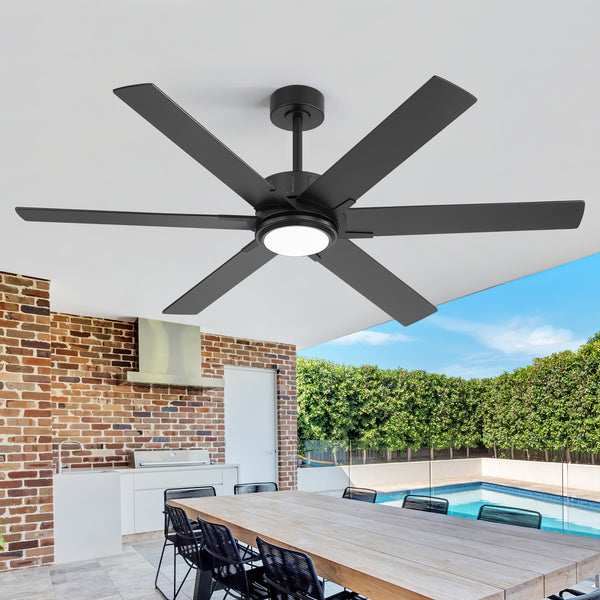
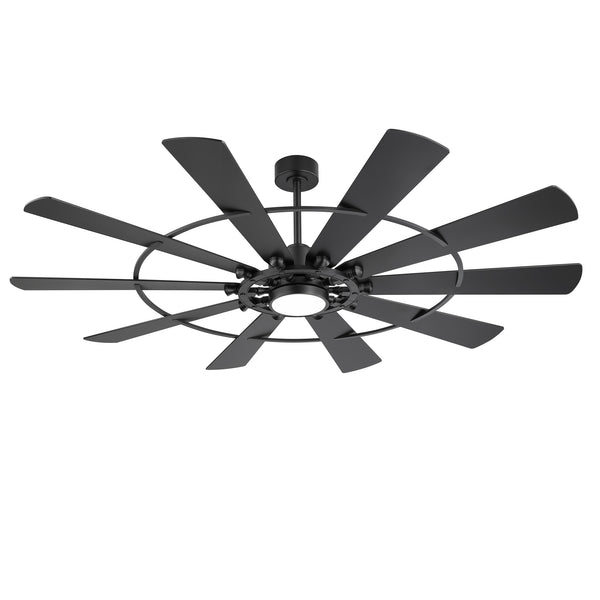
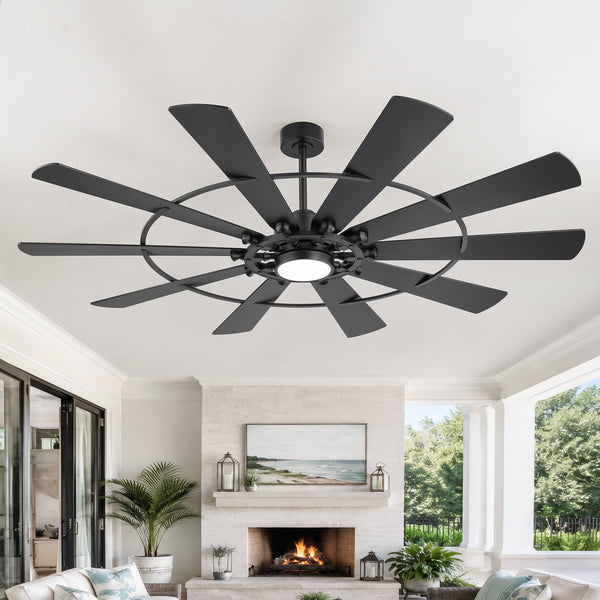
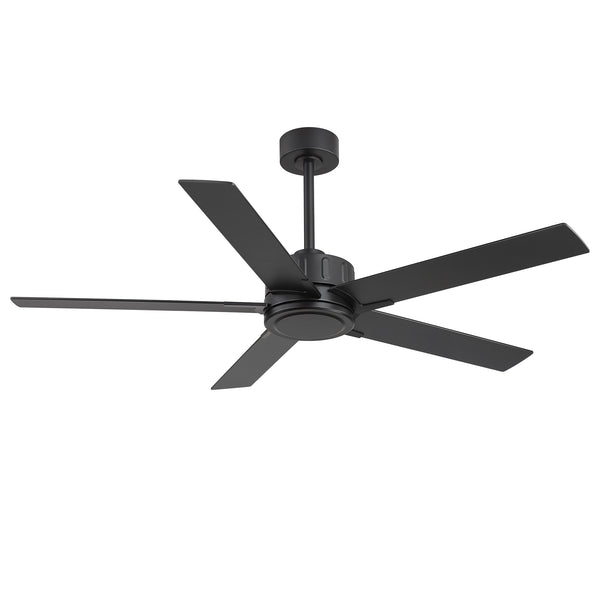
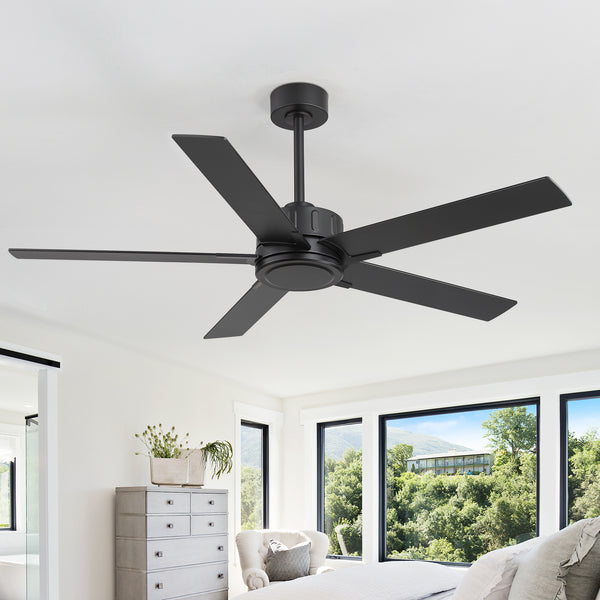
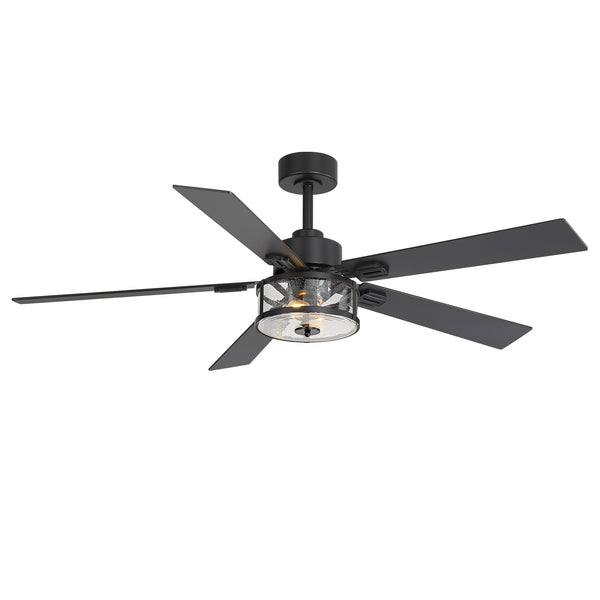
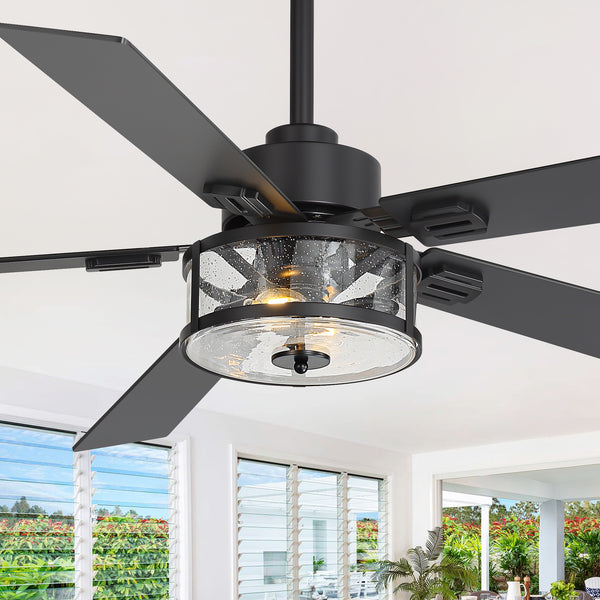
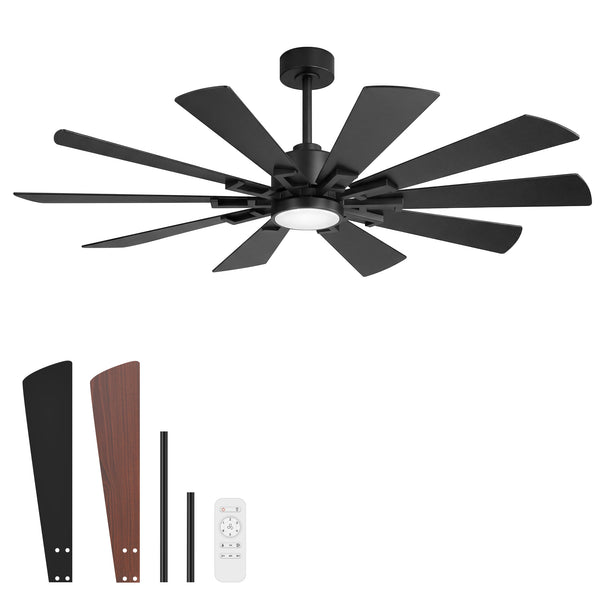
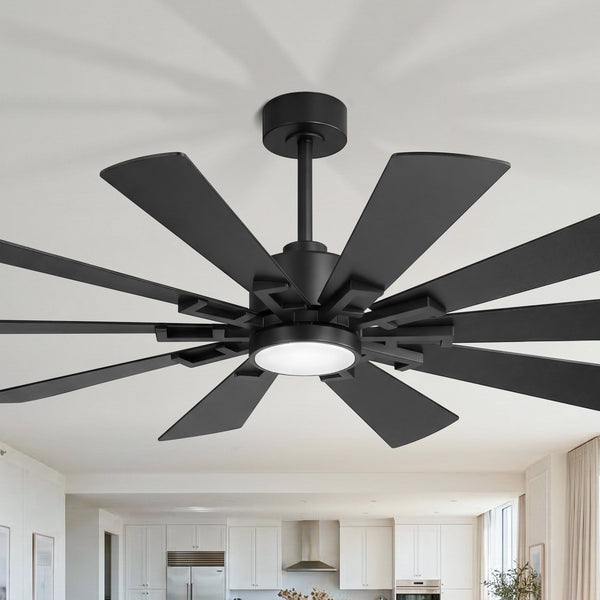
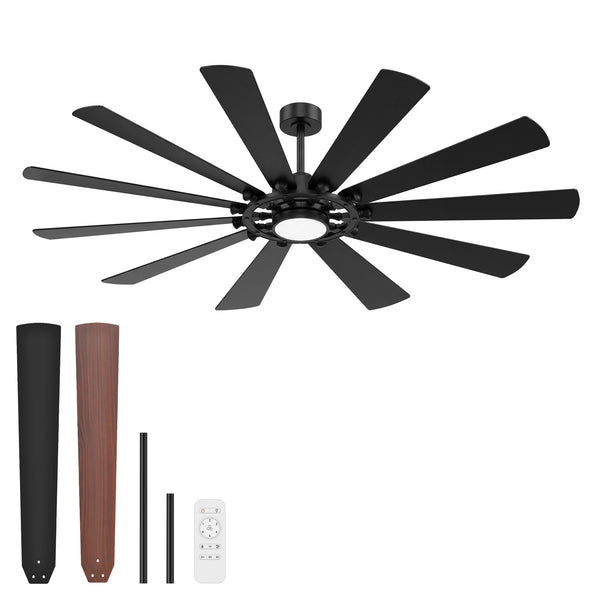
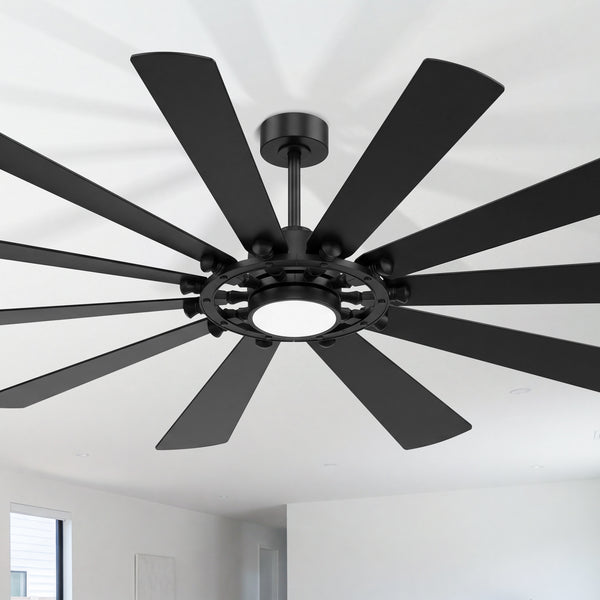
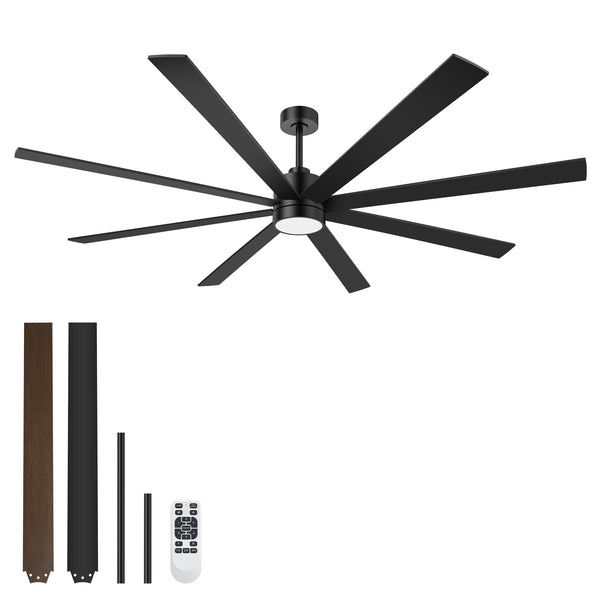
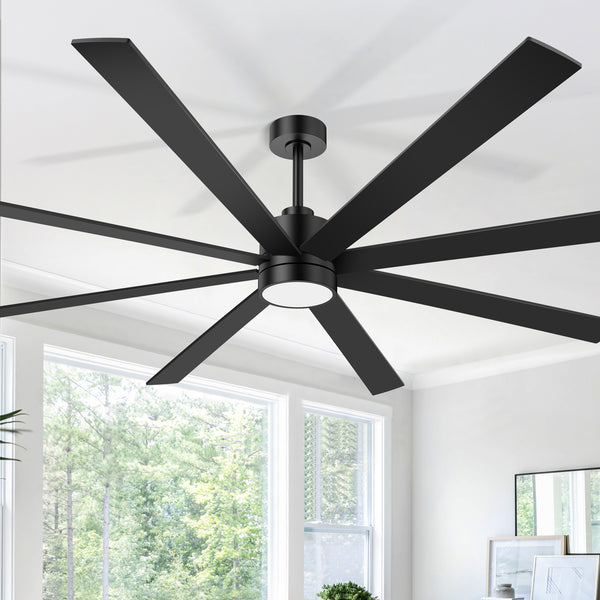
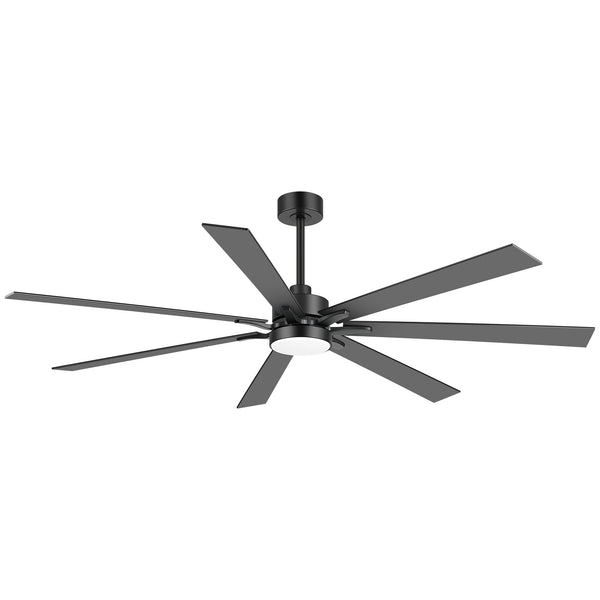
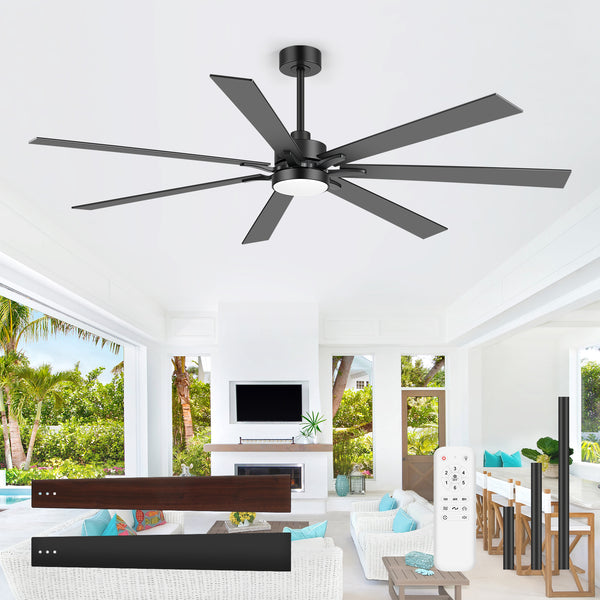
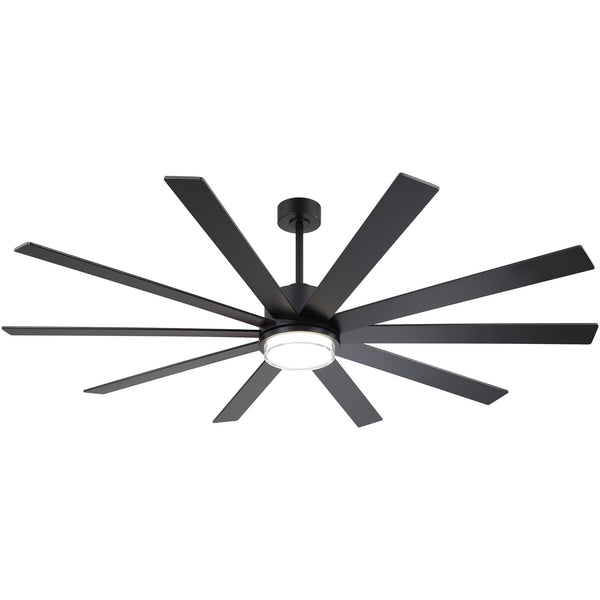
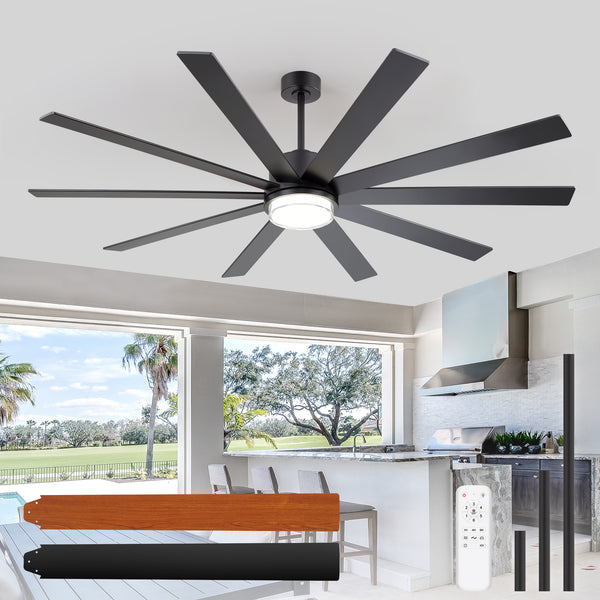
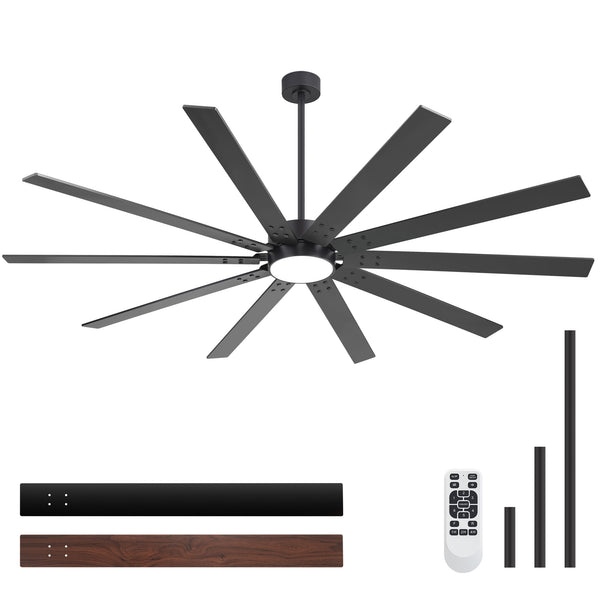
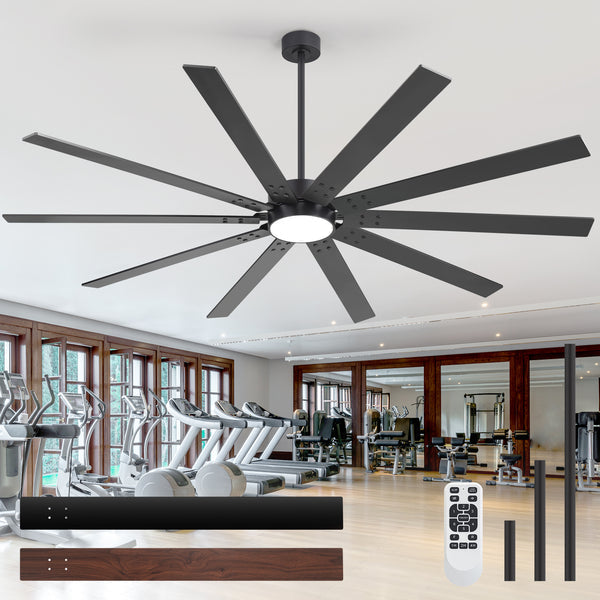
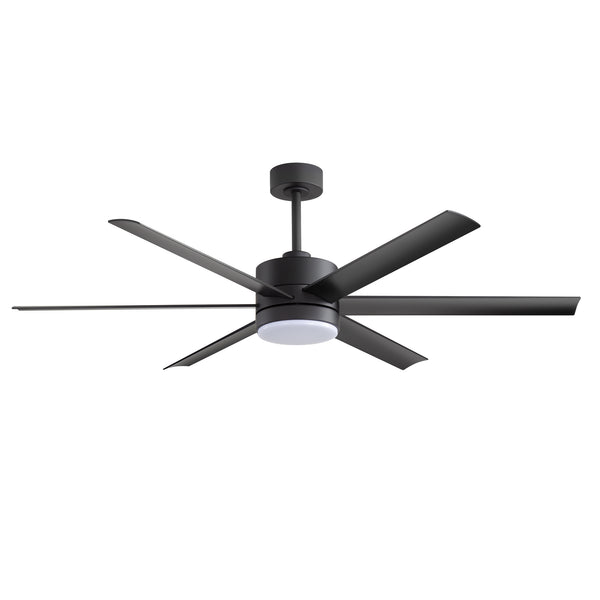
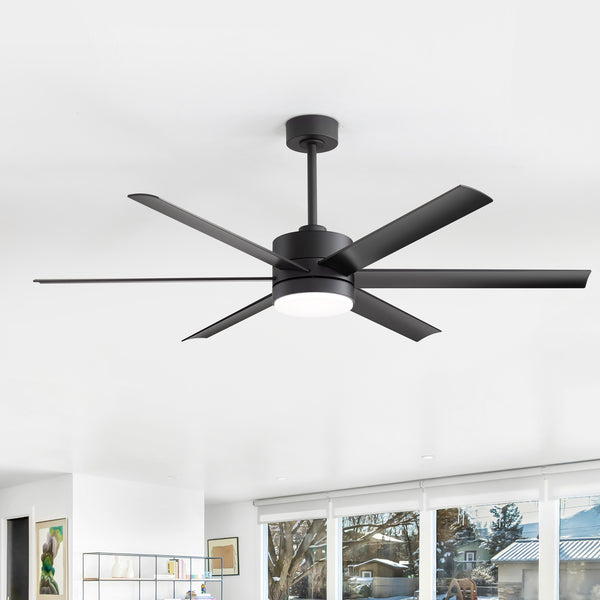
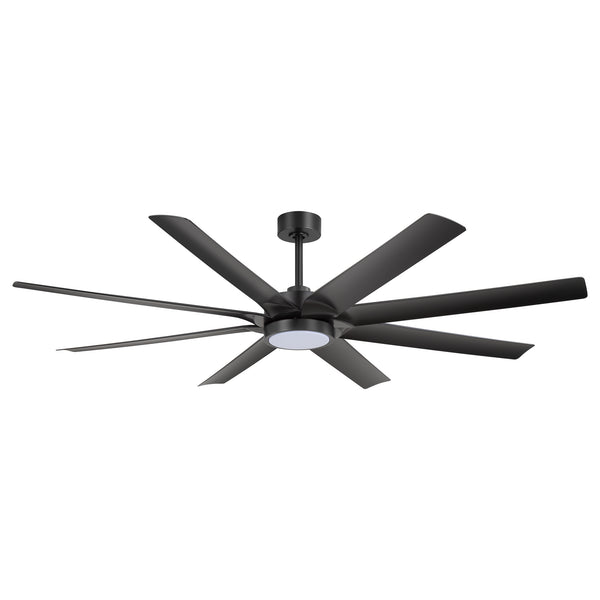
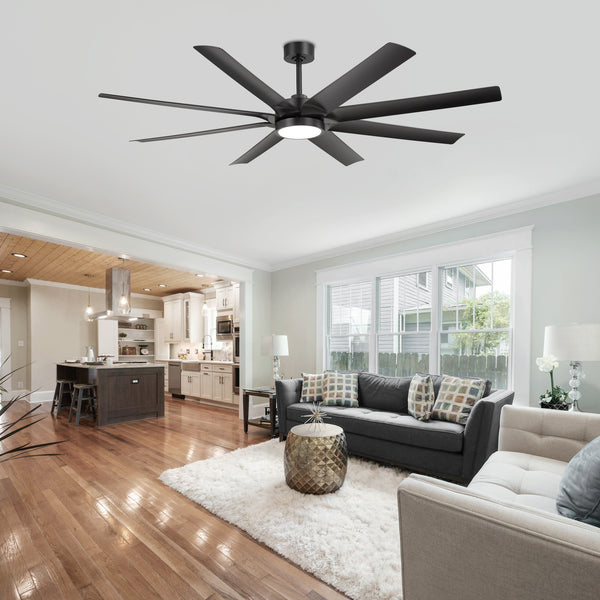
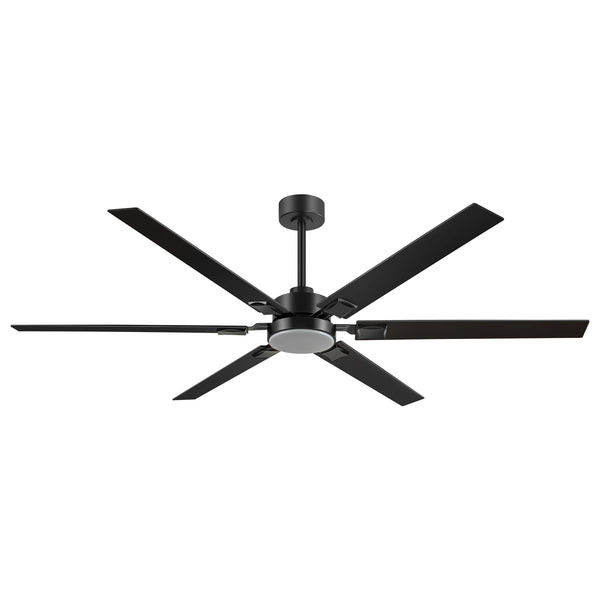
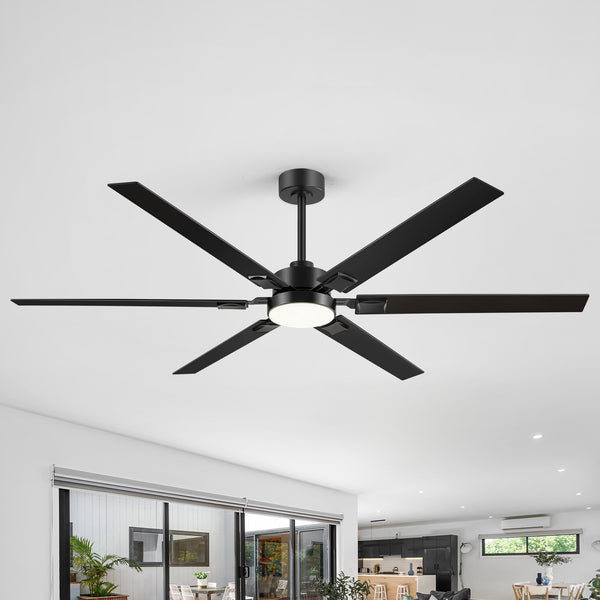
Shop Ceiling Fans With Lights for Large Rooms by Size & Ceiling
Ceiling & Mounting
Planning Airflow and Light for a Large Room
A big room asks two things of one fixture. The fan has to move air over the places people sit, and the light has to reach where it is useful. Measure the room, find the main seating area and check the ceiling height before you compare sizes.
Aim the breeze at the seating area
Put the fan over the sofa, chairs or table where people spend their time, not over an empty corner or walkway. Keep the blades well clear of walls, beams and pendant lights. In a large room, the center of the floor plan is not always the best spot.
Plan zones in long or open rooms
One central fan suits a clearly defined living area. A long, L-shaped or open plan that joins living, dining and kitchen zones may need a second fan rather than a bigger one. Above 500 sq. ft., our chart suggests 72 in. or larger, or more than one fan.
Mount it at a useful height
Tall ceilings call for a longer downrod so the blades sit closer to the people below. Extension rods come in 24, 36, 48, 60 and 72 inch lengths. Check the drop to the lowest point of the light as well, and keep the blades no lower than 7 feet from the floor.
Decide what the light has to do
Is the fan meant to light the whole room, or to add one layer alongside recessed lights, pendants and lamps? As the main light, compare published lumens. As a layer, dimming and color temperature matter more. A bigger fan does not automatically have a brighter light.
Treat a large bedroom differently
In a big bedroom, comfort comes before raw airflow. Look at how the fan runs on its lowest speeds, whether the light dims and whether a remote reaches the bed. A DC motor is usually the quieter choice and often adds extra speed settings.
| Room size | Typical space | Fan size |
|---|---|---|
| 200–350 sq. ft. | Living room or primary bedroom | 52–60 in. |
| 350–500 sq. ft. | Great room or 20×20 room | 60–72 in. |
| Over 500 sq. ft. | Open plan or long room | 72 in. or larger, or more than one fan |
Shopping for a patio as well? Choose a fan rated for damp or wet locations there; indoor models are made for interior rooms only.
Ceiling Fans With Lights for Large Rooms FAQs
What size ceiling fan with light is best for a large room?
It depends on floor area: 52–60 in. for 200–350 sq. ft., 60–72 in. for 350–500 sq. ft. and 72 in. or larger, or more than one fan, beyond that. Those are our sizing chart's ranges; then confirm the ceiling height, the clearance around the box and the published CFM.
Can a ceiling fan be too large for a room?
Yes. An oversized fan can crowd walls, beams and other fixtures and look out of scale. It can also push more air than people want at the seating area. Pick the size the chart suggests for your square footage, then confirm the clearance on every side.
Can ceiling fans with lights for large rooms be the main light?
Sometimes. It depends on the published lumens, the ceiling height and the room's other lighting. In a tall great room, a light that seems bright up close feels softer at seating level. That is why large rooms often pair the fan light with recessed lights or lamps.
Is a 52-inch ceiling fan too small for a large room?
For rooms over 350 sq. ft., usually yes. Our chart suggests 60–72 in. there, while 52 inches only just makes the 52–60 in. range for 200–350 sq. ft. In a big or open room, start your search at 60 inches.
Should I choose a ceiling fan with a remote for a large room?
Yes, in most large rooms. The wall switch is often far from the seating area, and a fan on a long downrod is out of reach. Most models here include a remote; look for separate fan and light control, plus dimming or a timer if you want them.
When should I choose a 72 or 84 inch fan?
When the room tops 500 sq. ft. or is long and open. Our chart suggests 72 in. or larger, or more than one fan, for that size. An 84-inch fan needs generous clearance on every side, so measure from the ceiling box to walls and beams first.


