
Large Living Room Ceiling Fans
Large living room ceiling fans are sized for big seating areas, open-plan layouts and taller ceilings. Plan the fan around the sofa and the shape of the room first, then pick the mount, light and finish that suit the space. Read the buying guide
56 products
56 products
Products
-
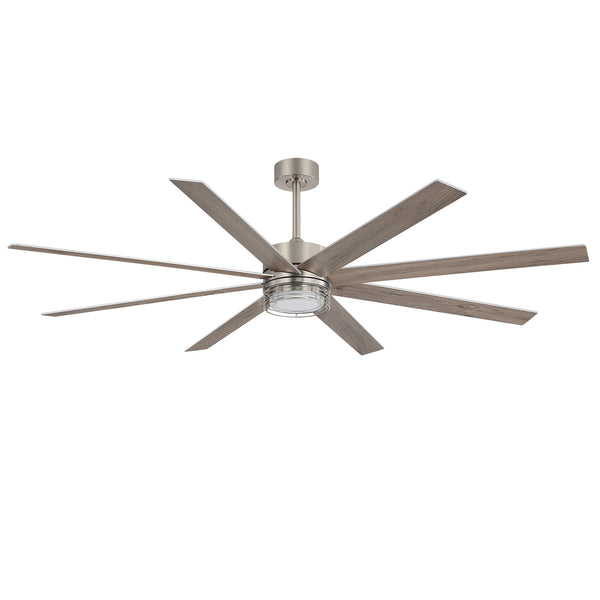
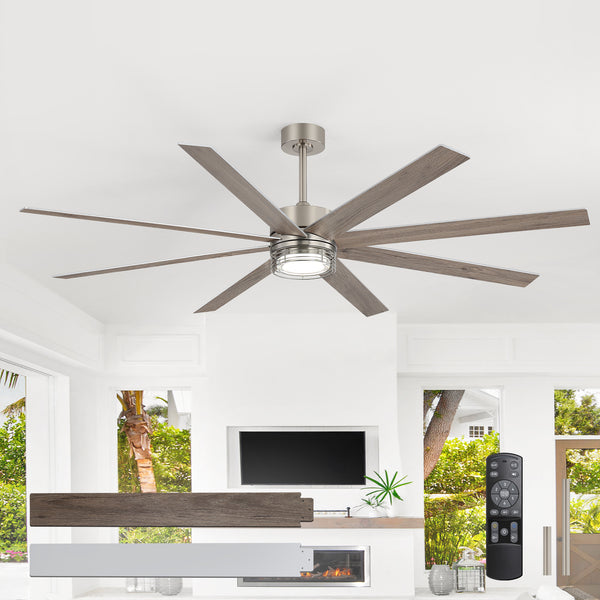
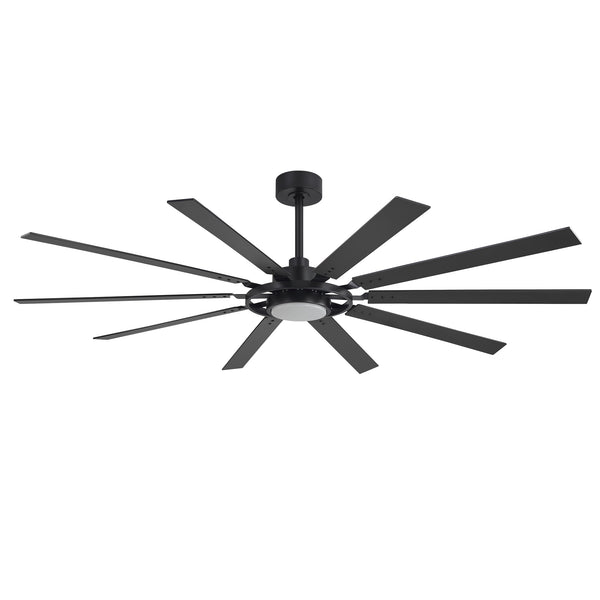
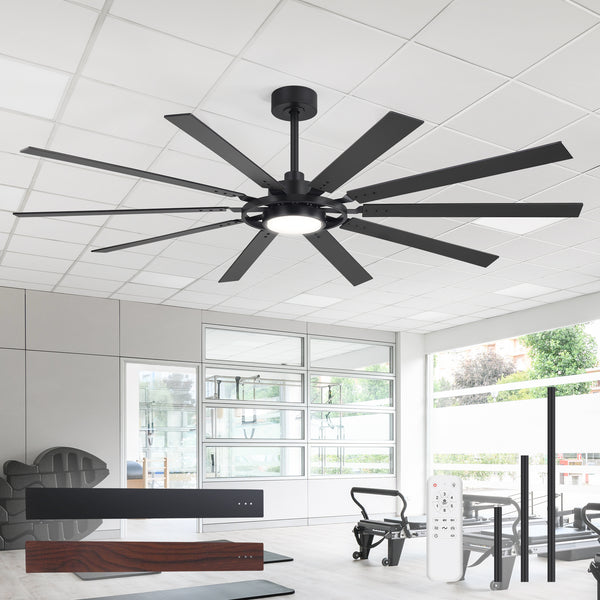
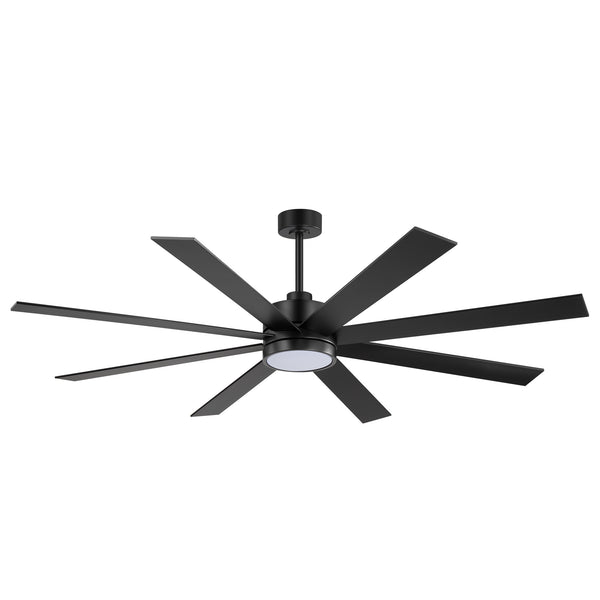
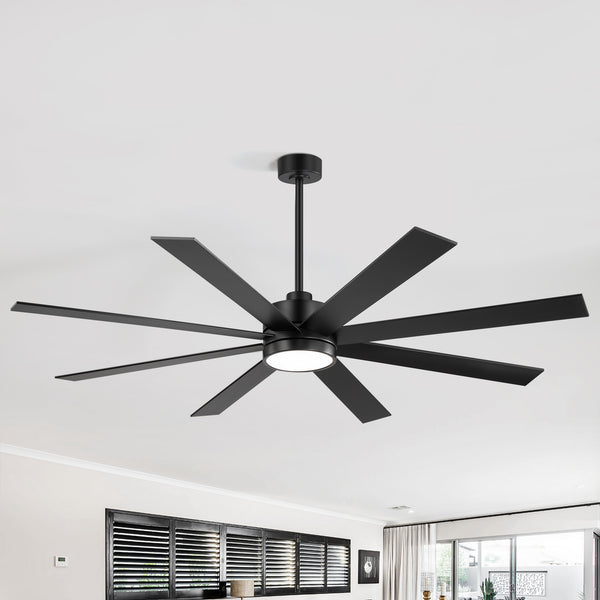
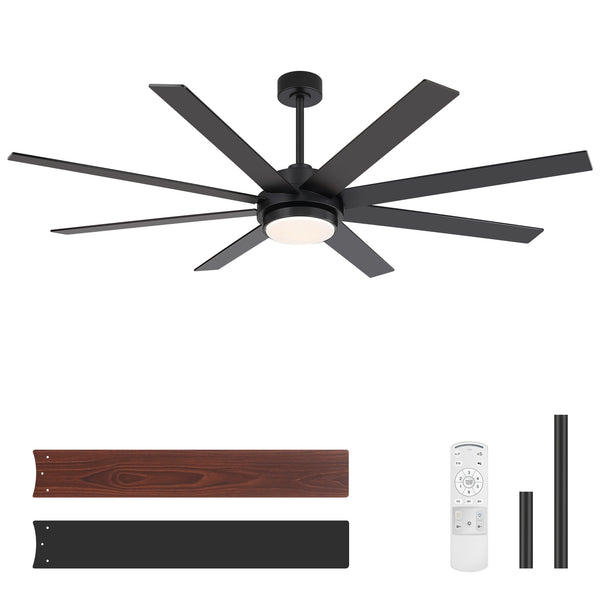
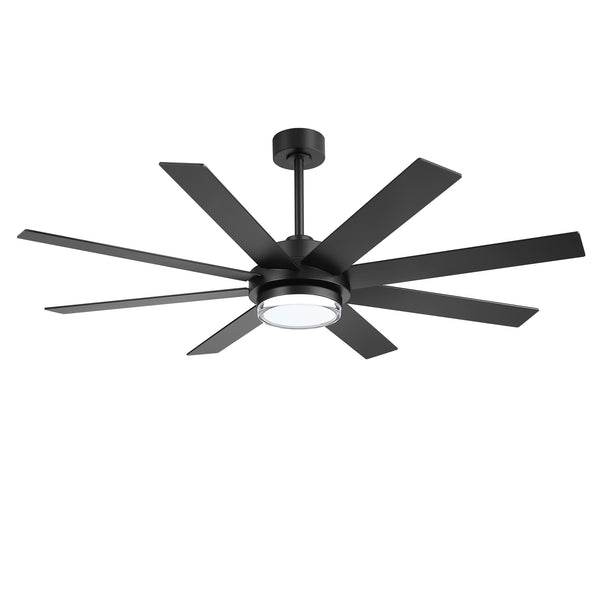
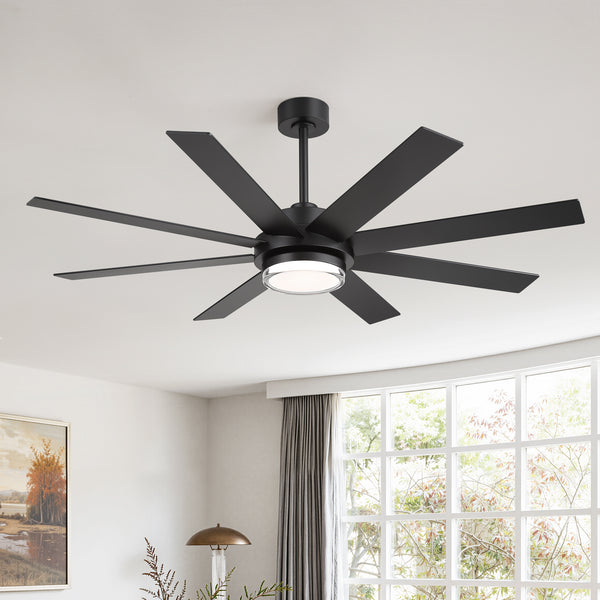
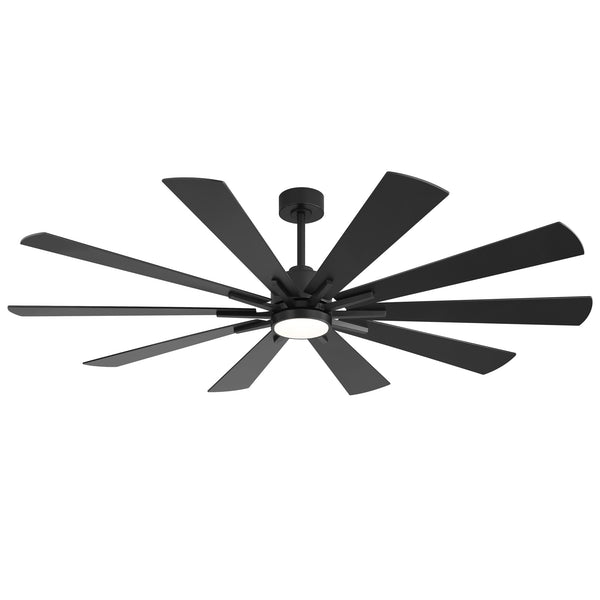
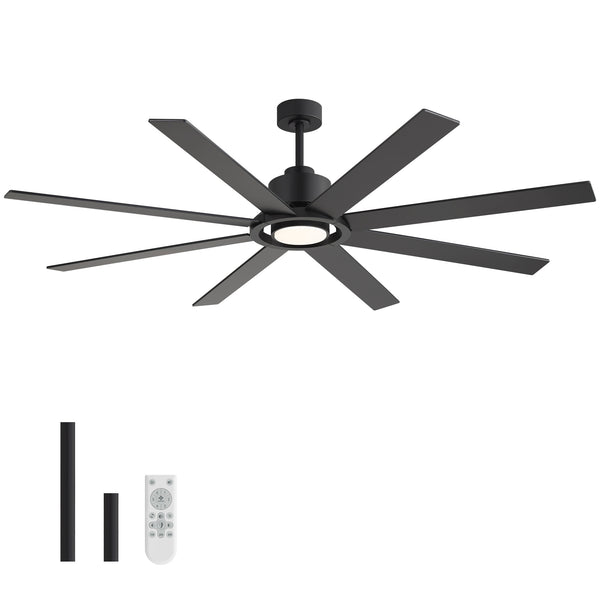
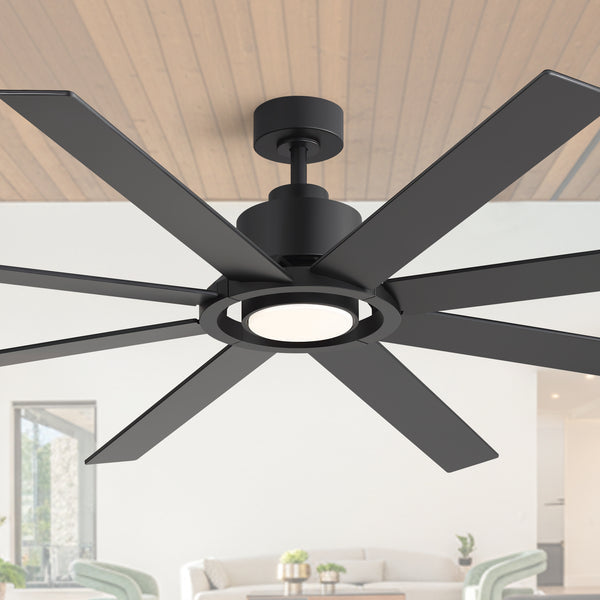
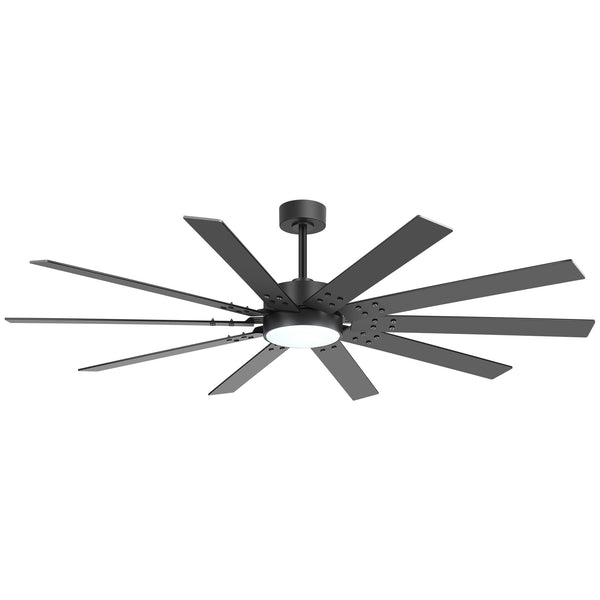
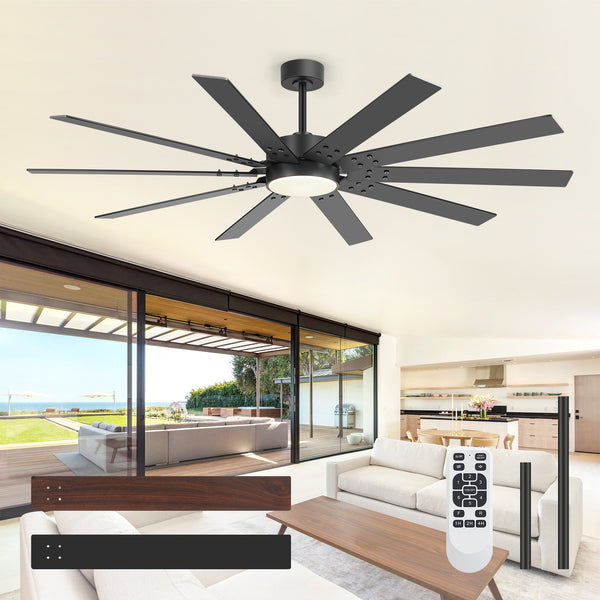
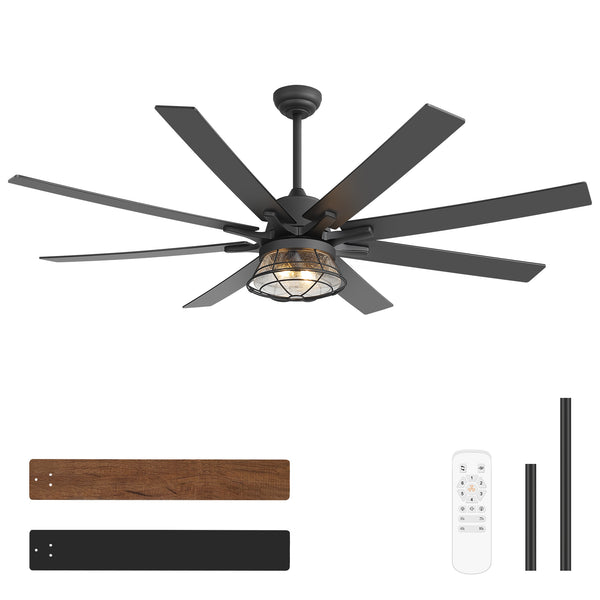
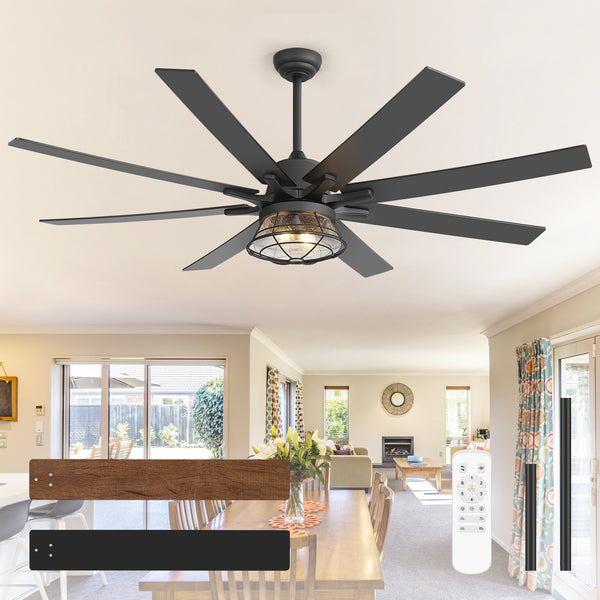
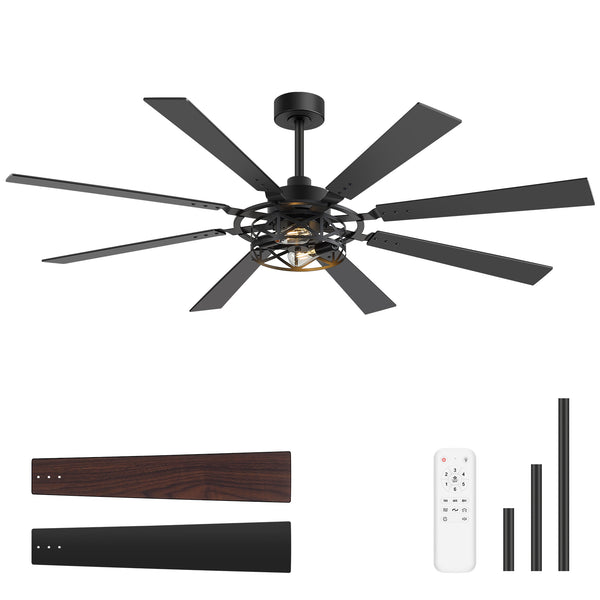
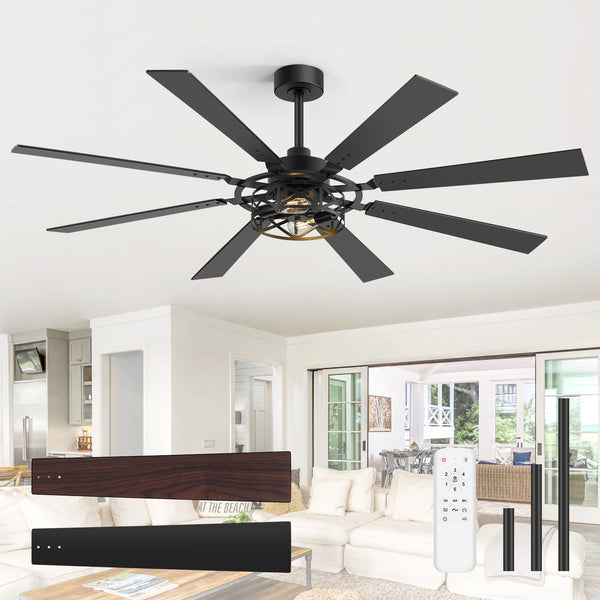
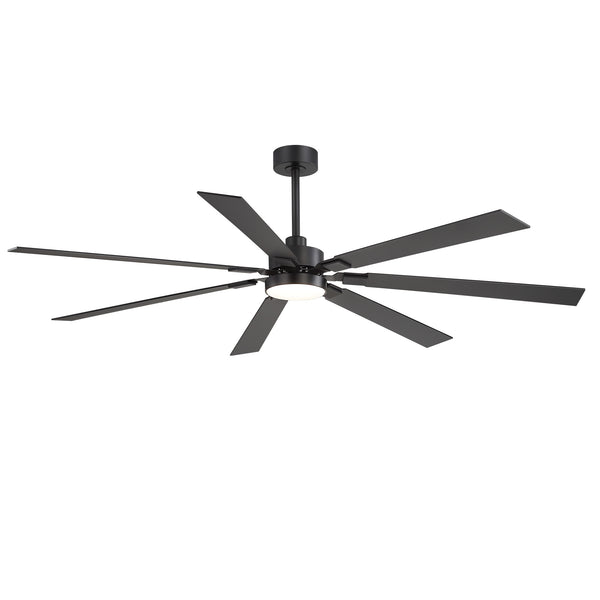
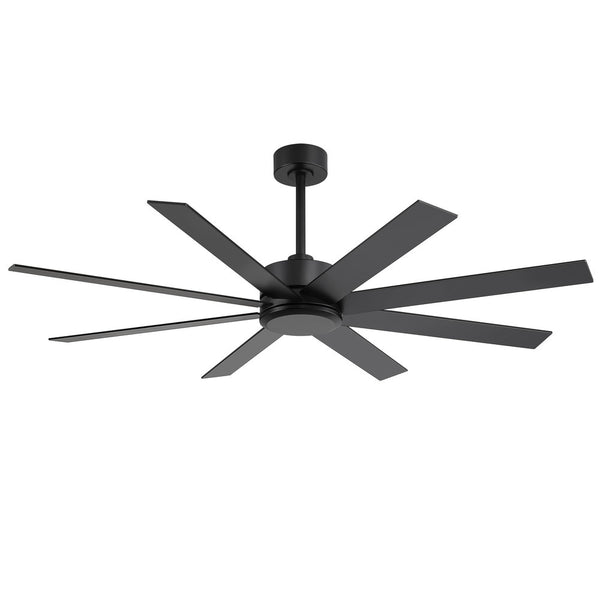
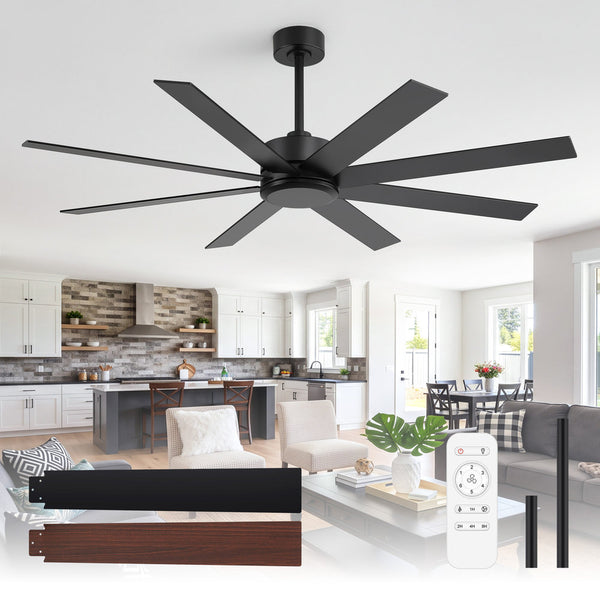
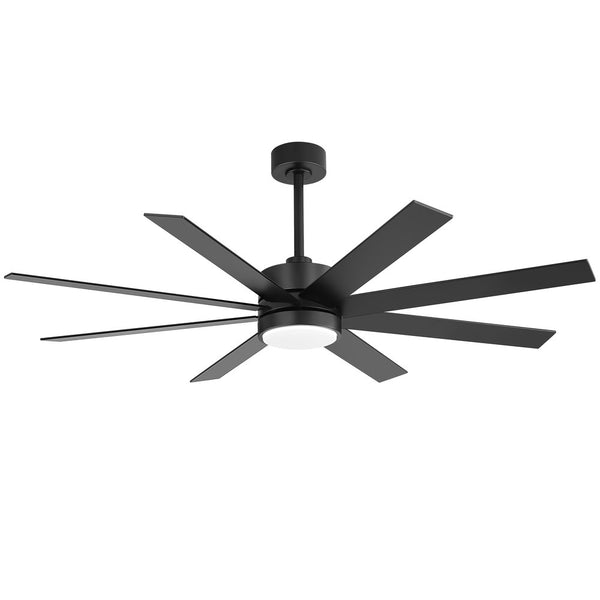
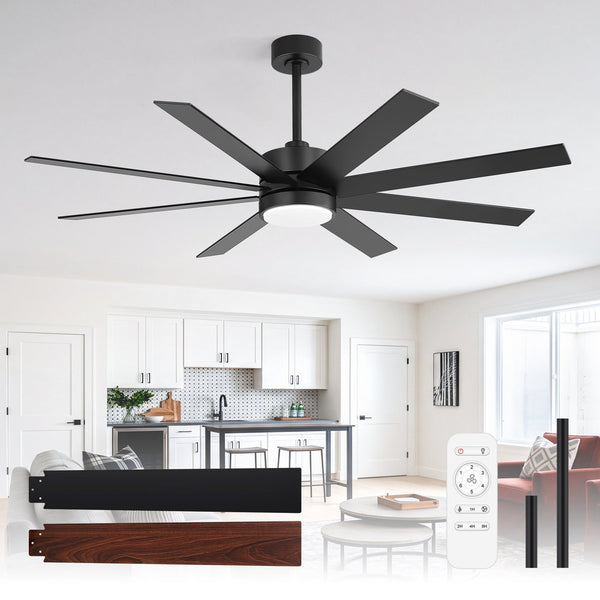
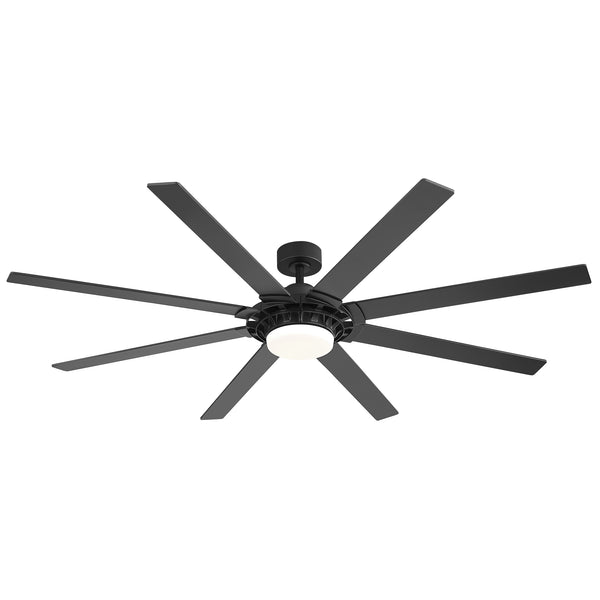
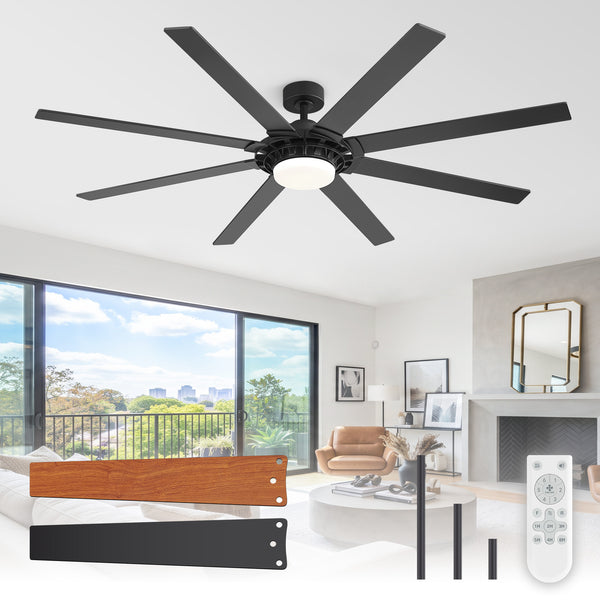
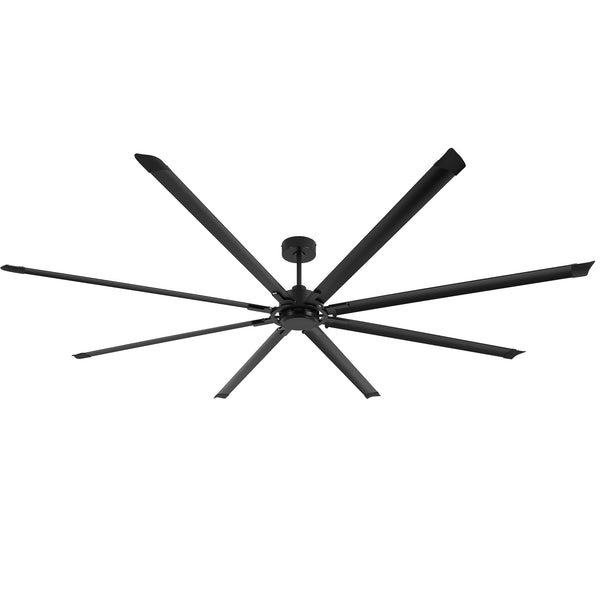
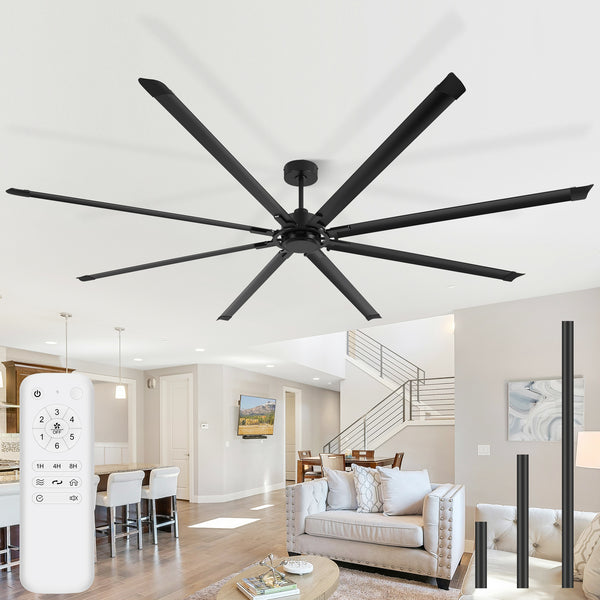
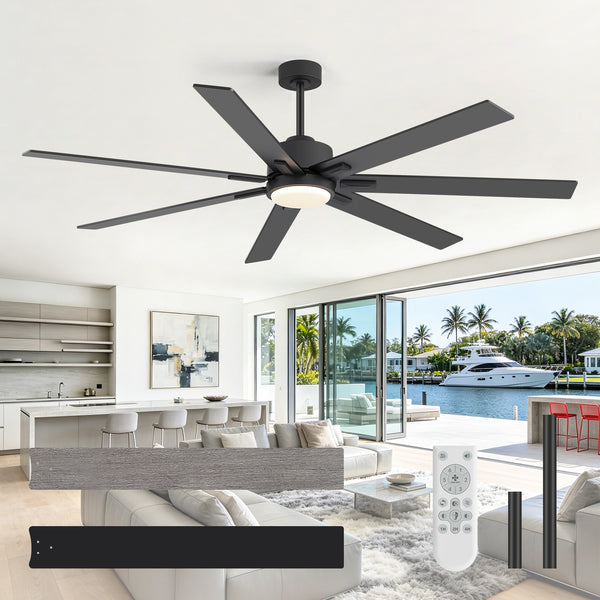
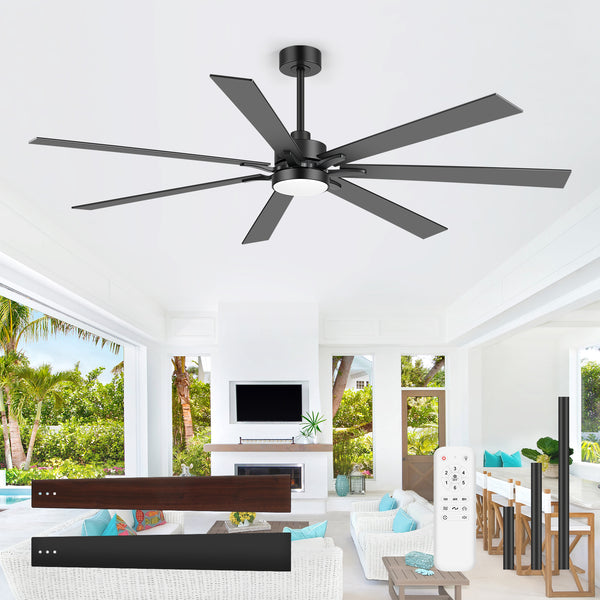
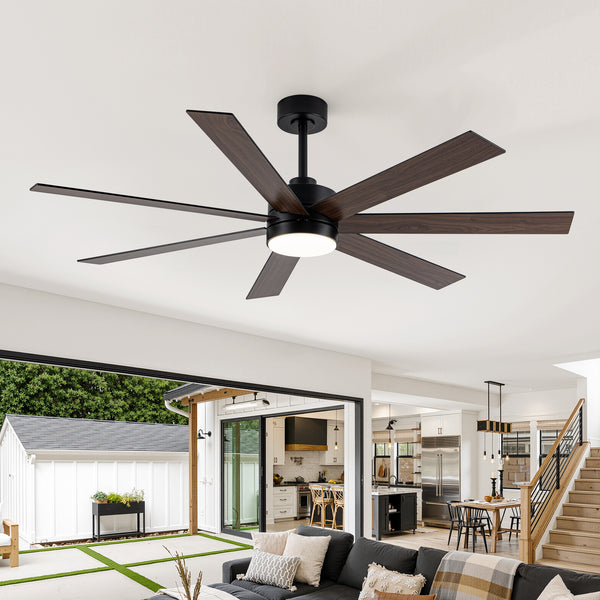
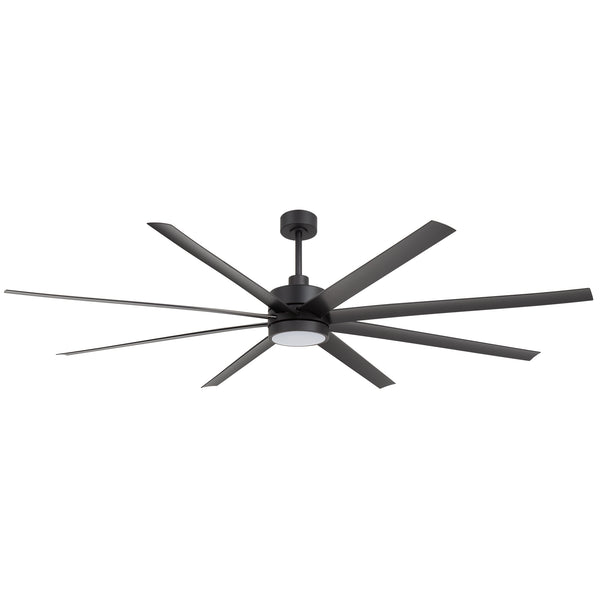
AeroSpan Lux 72" Large Black 8-Blade Ceiling Fan with Light & Remote
$159.99
Add to Cart$229.00Save 30% -
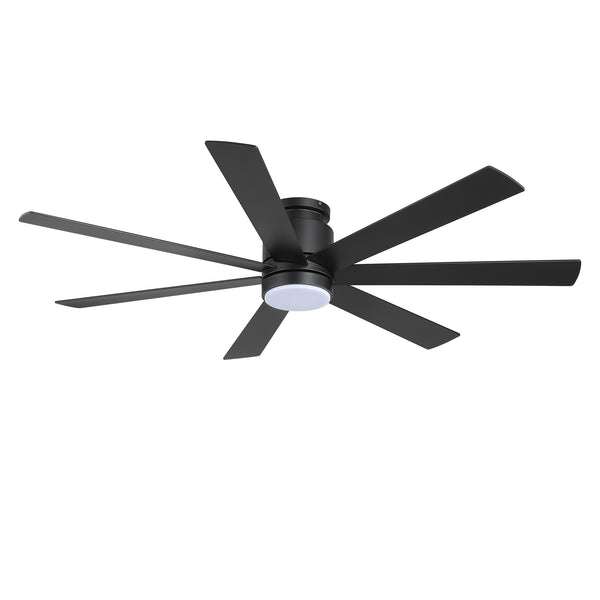
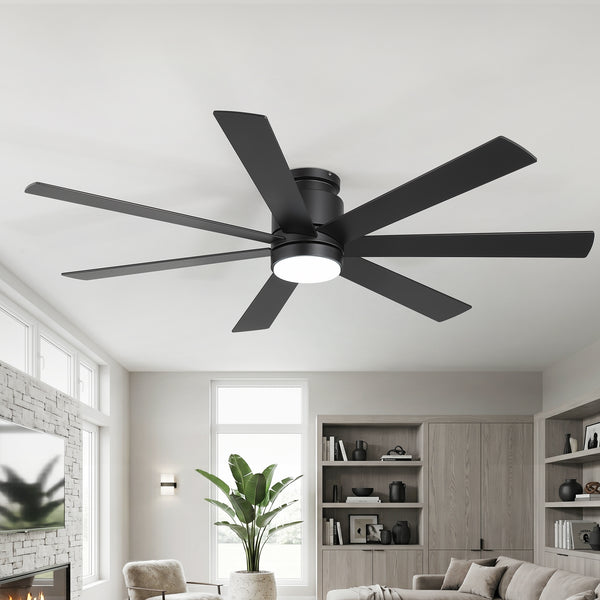
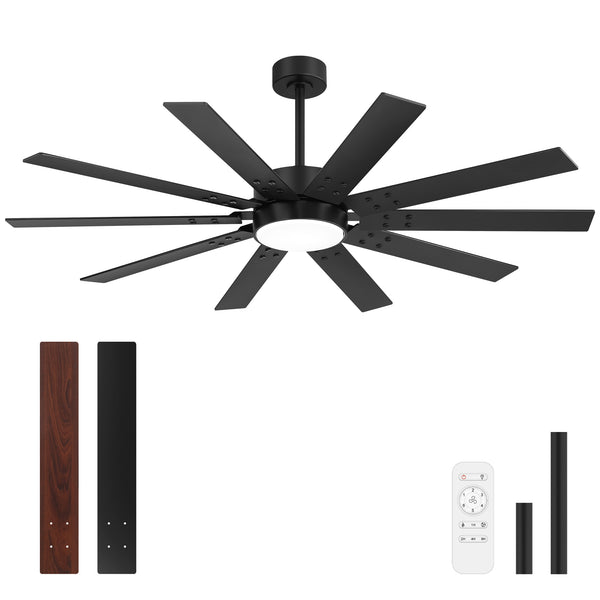
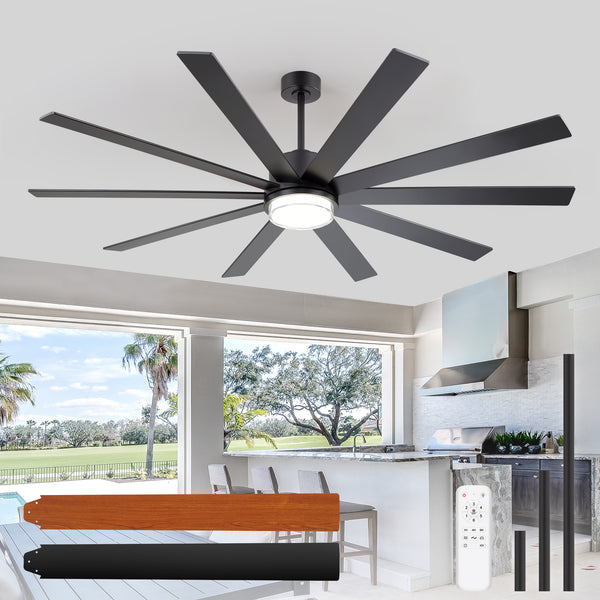
Noirframe 72/80 Inch Large Ceiling Fan With Light and Remote
From$84.99
Choose Options$299.00Save 72% -
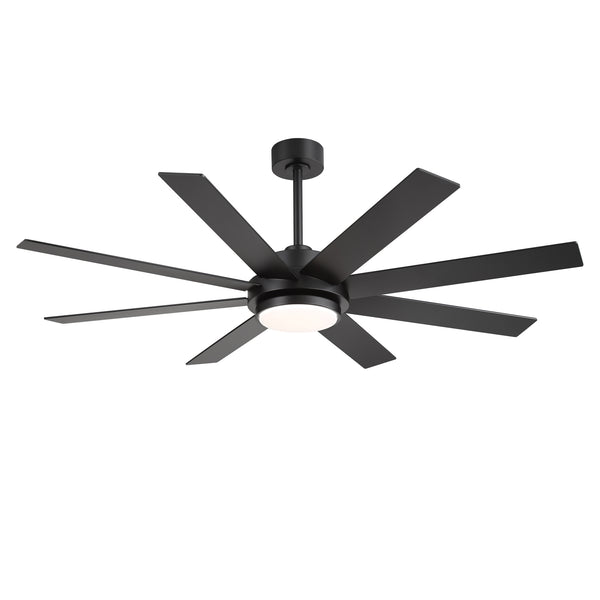
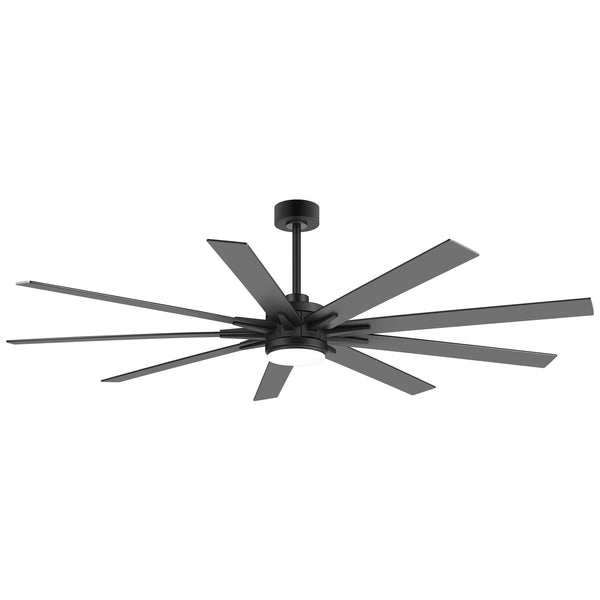
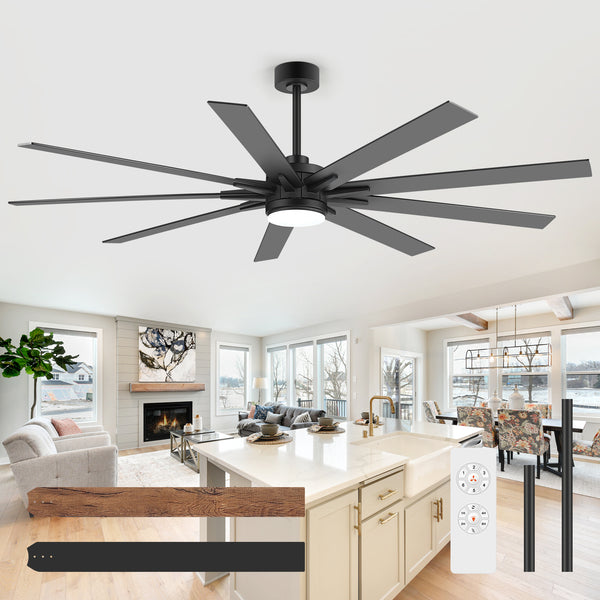
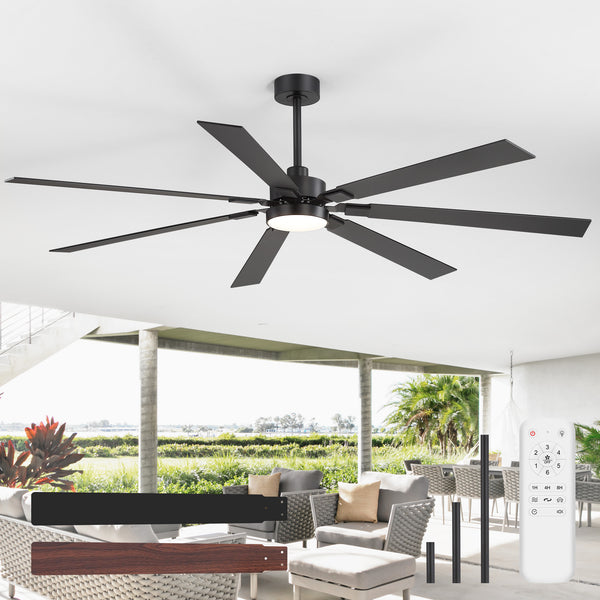
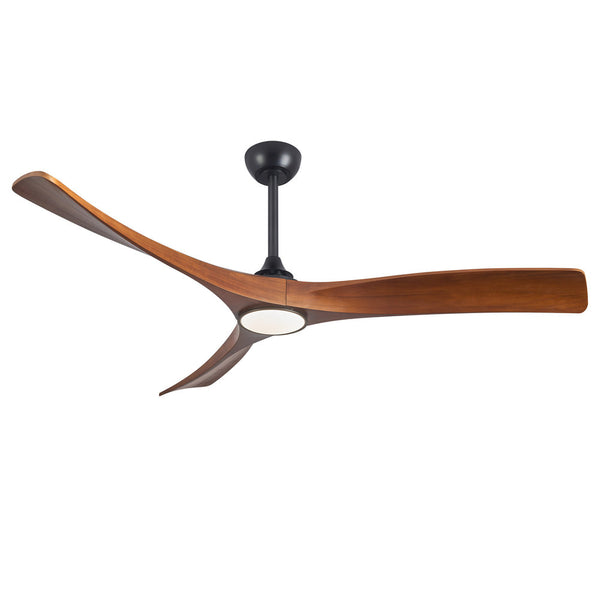
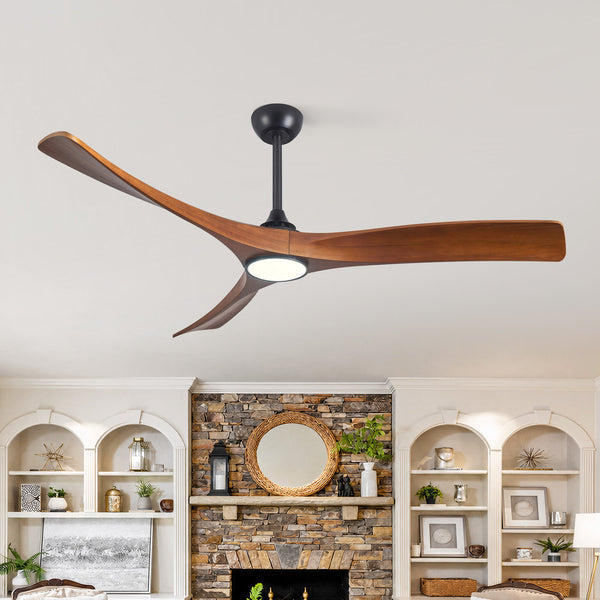
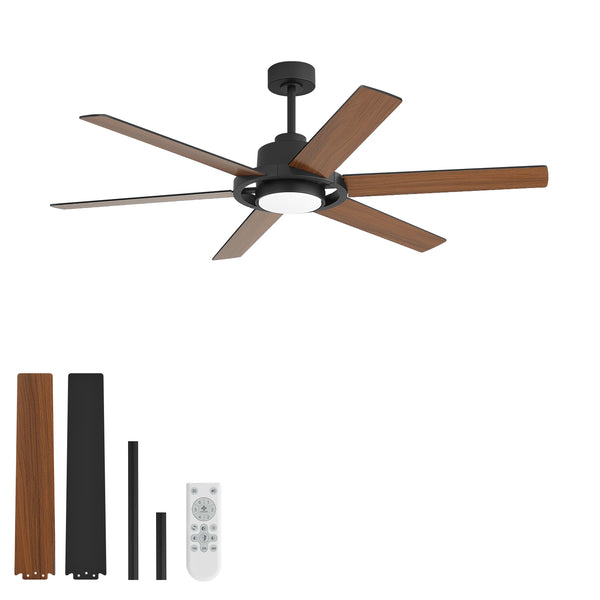
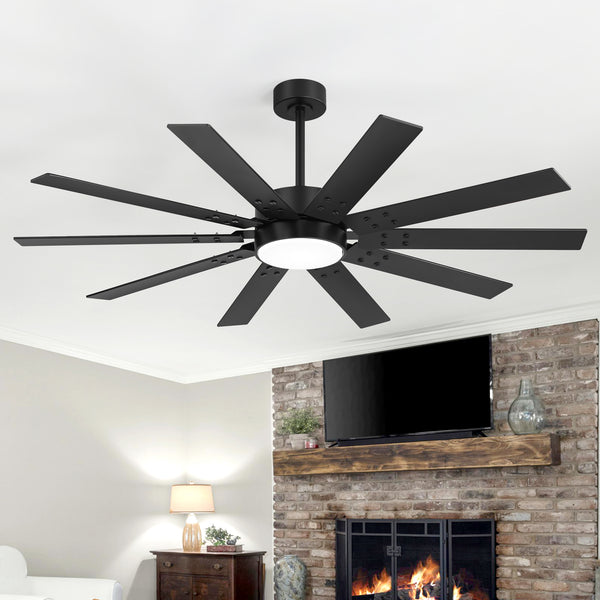
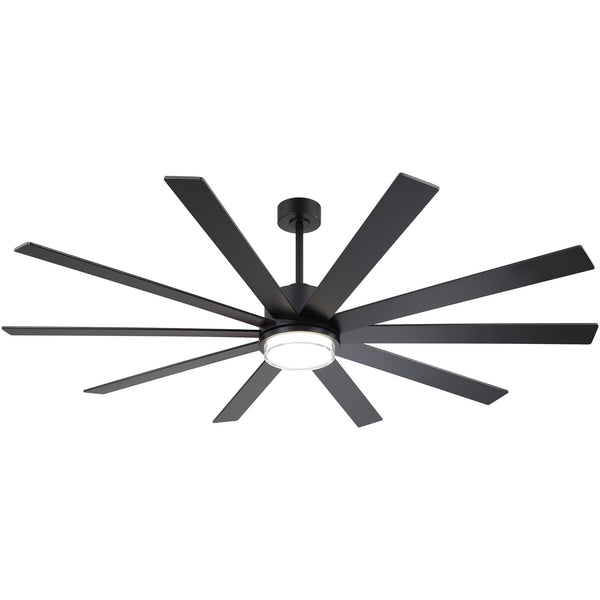
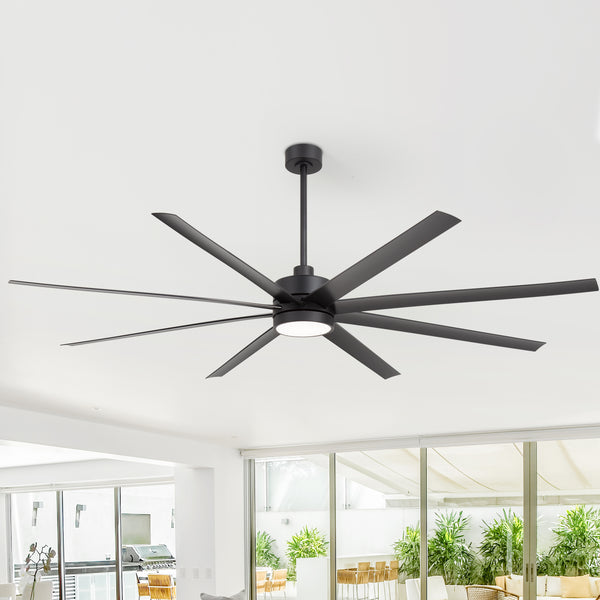
AeroSpan Lux 72" Large Black Ceiling Fan with Light & Remote
From$149.99
Choose Options$239.00Save 37% -
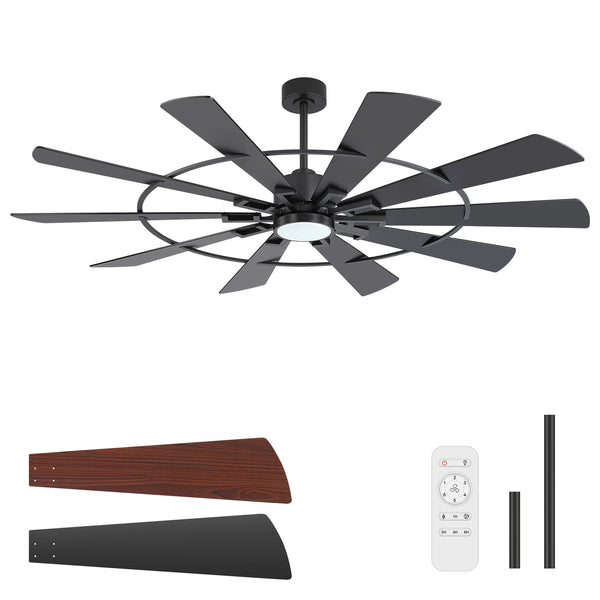
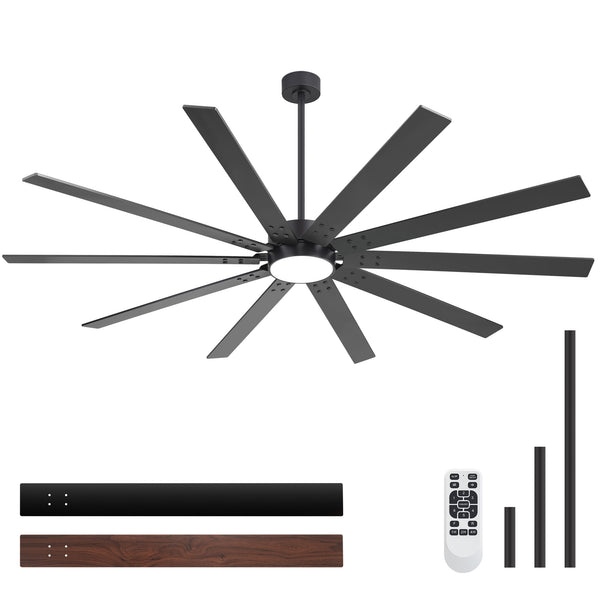
Aircrest 62/72 Inch large ceiling fans with lights for high ceilings
From$119.99
Choose Options$239.00Save 50% -
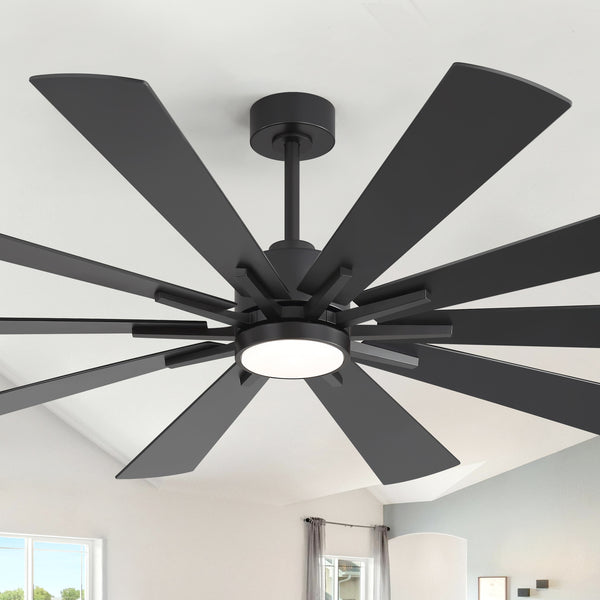
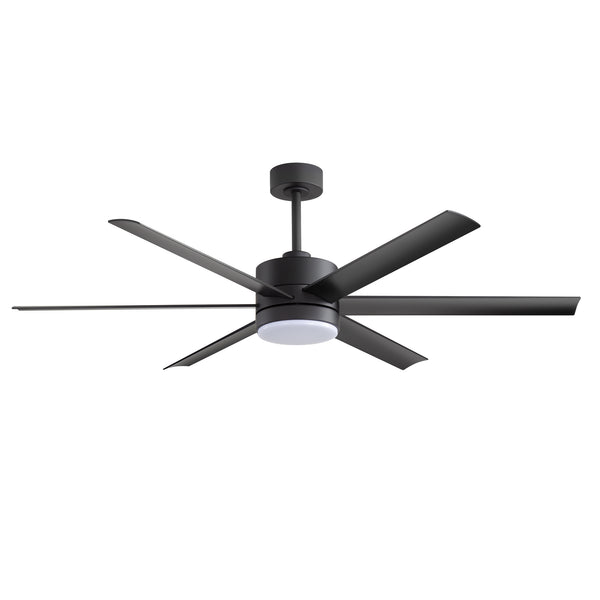
Virelia 84 Inch Large Ceiling Fan for Living Room With Light and Remote
$159.99
Add to Cart$299.00Save 46% -
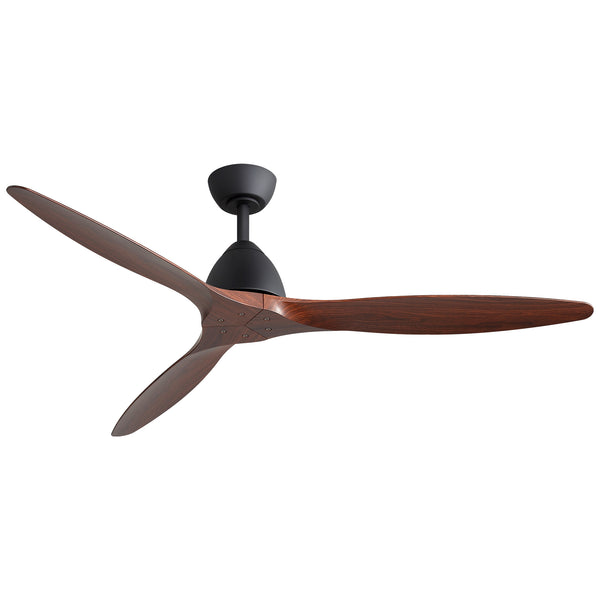
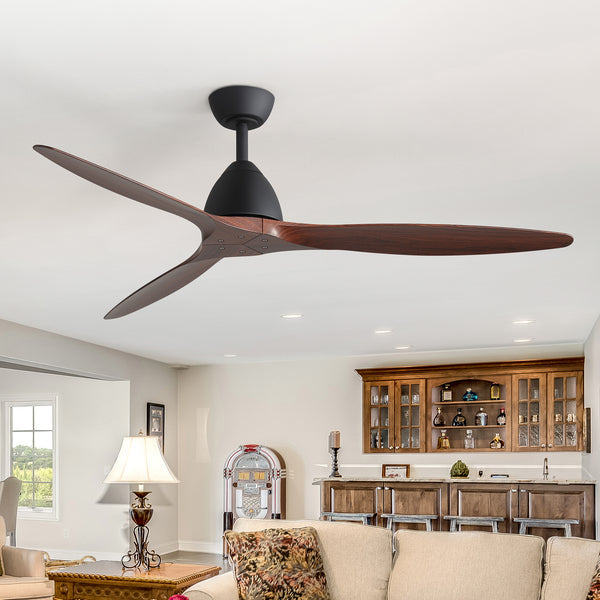
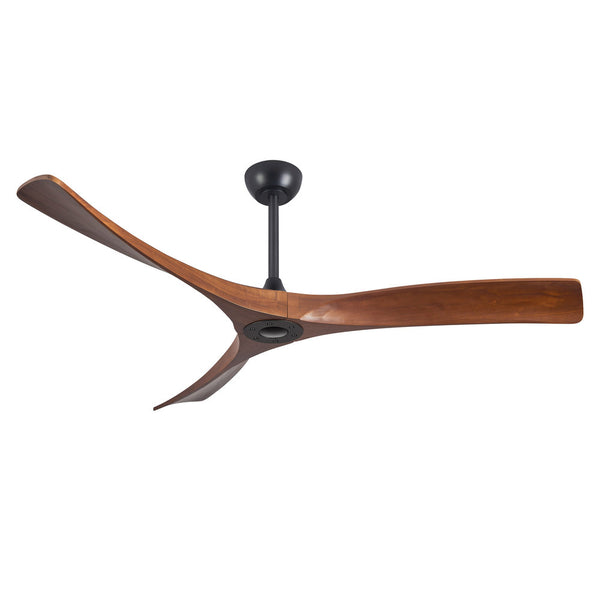
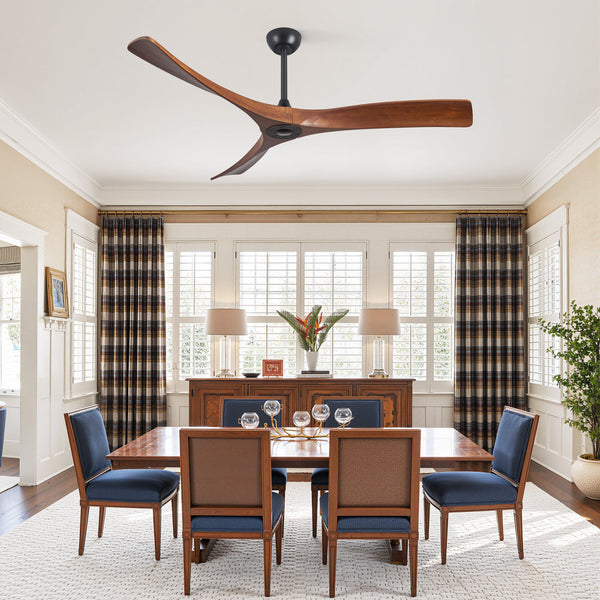
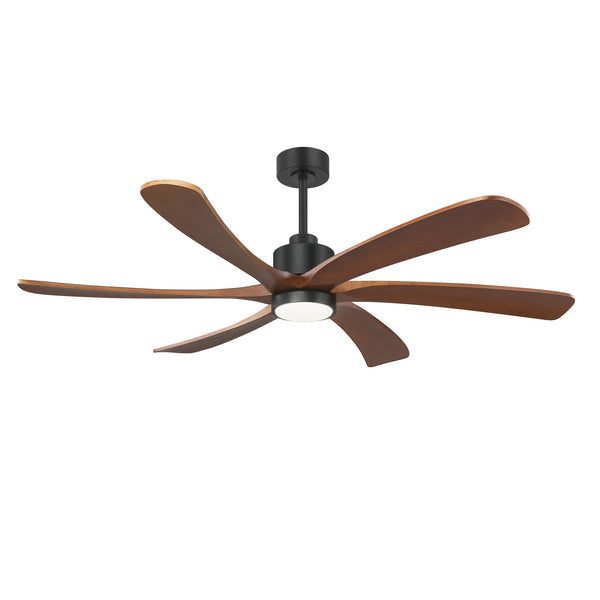
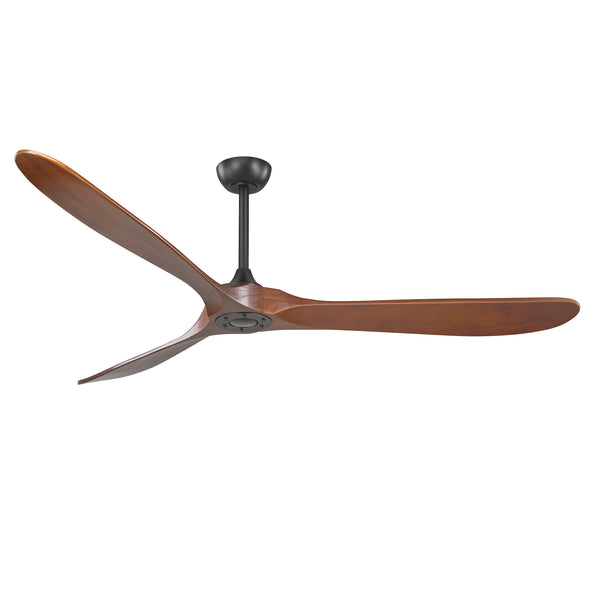
72 Inch Large Ceiling Fan without Light with 3 Solid Wood Blades & Remote
$144.99
Add to Cart$242.99Save 40%
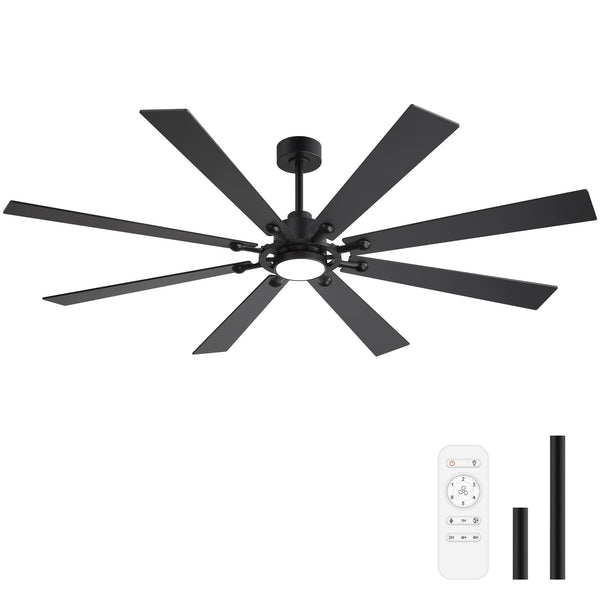
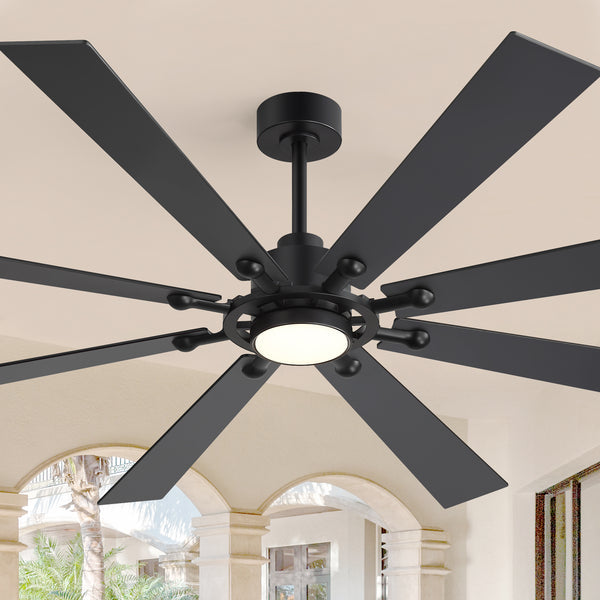
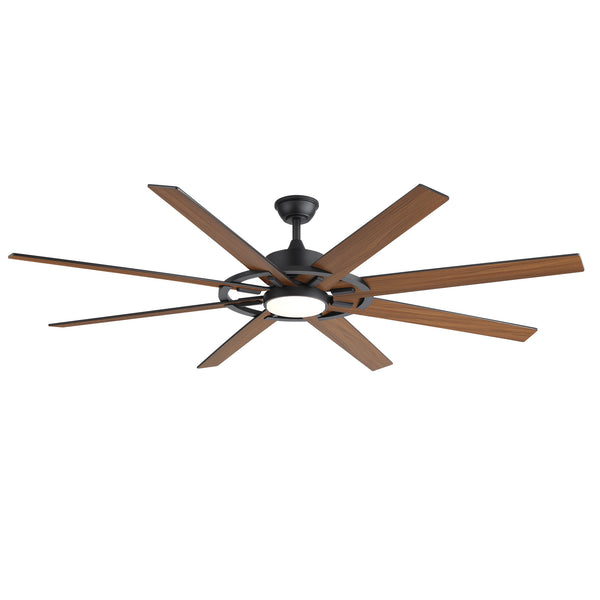
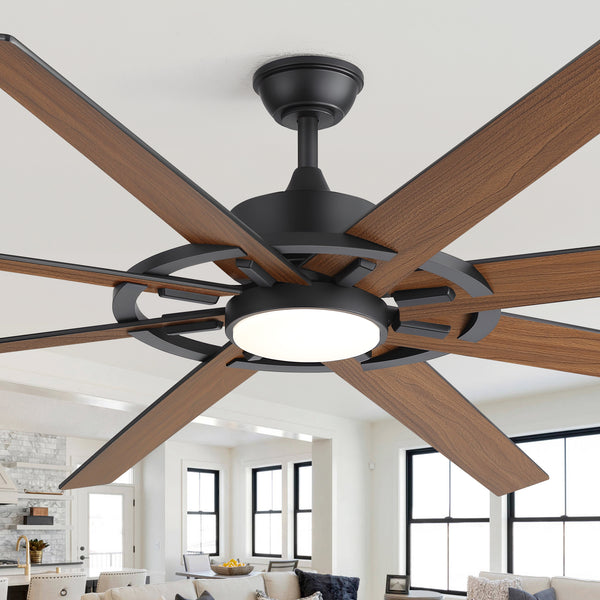
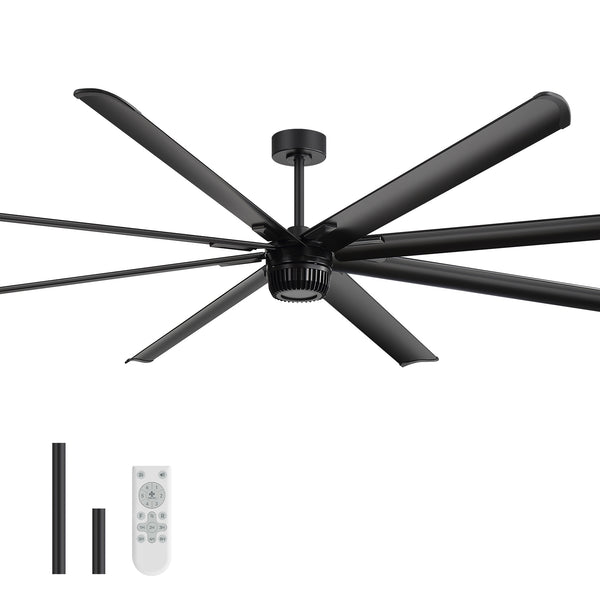
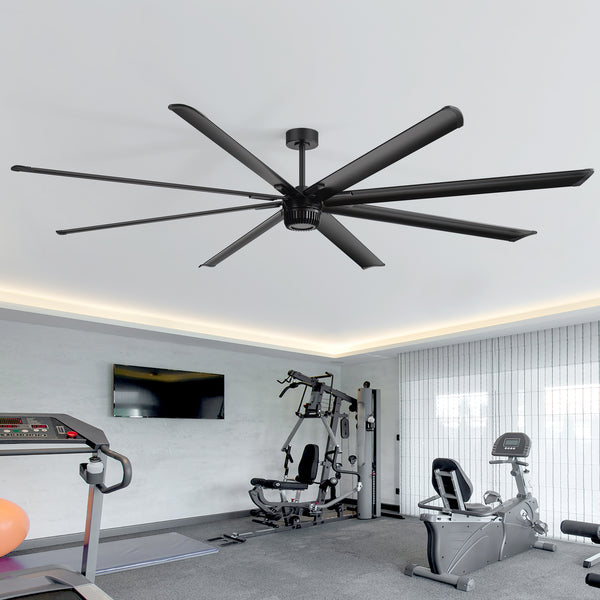
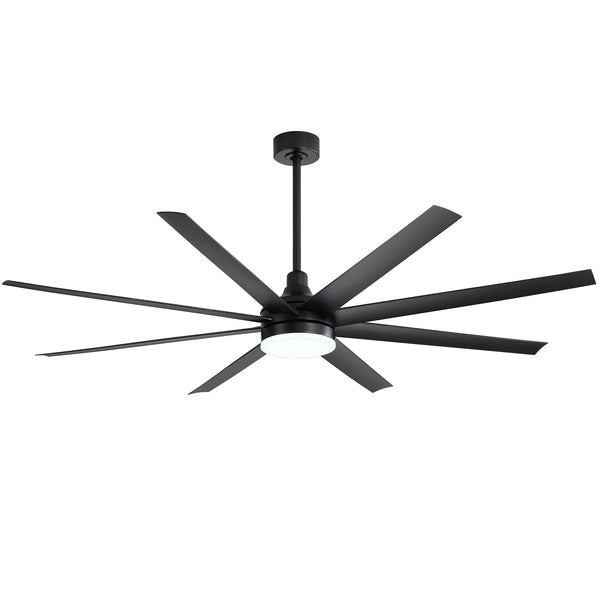
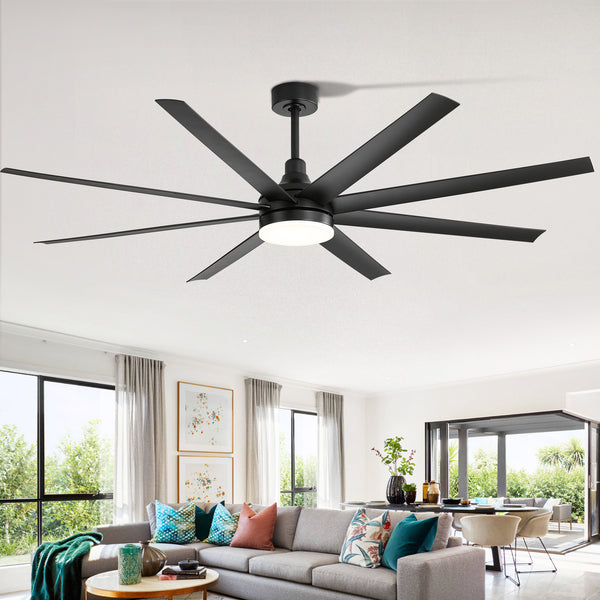
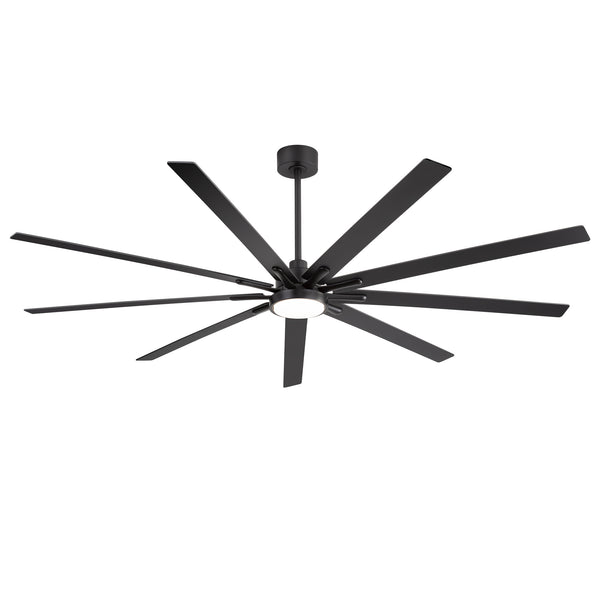
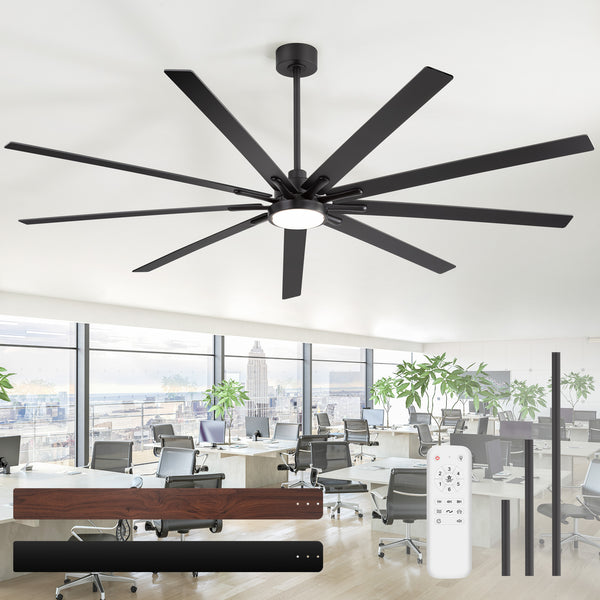
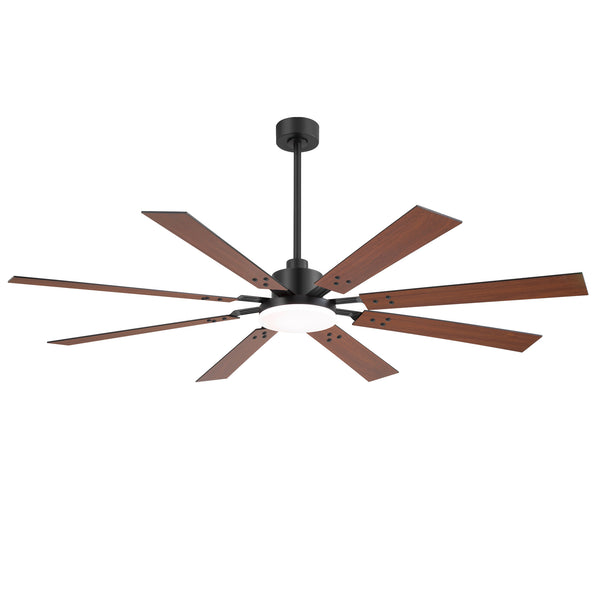
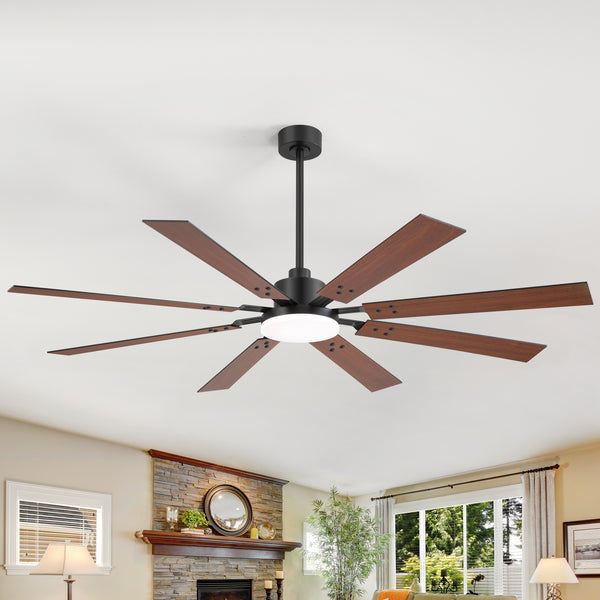
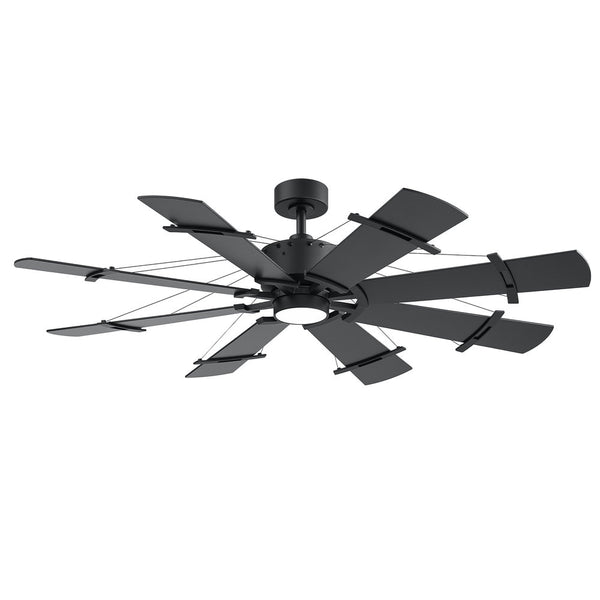
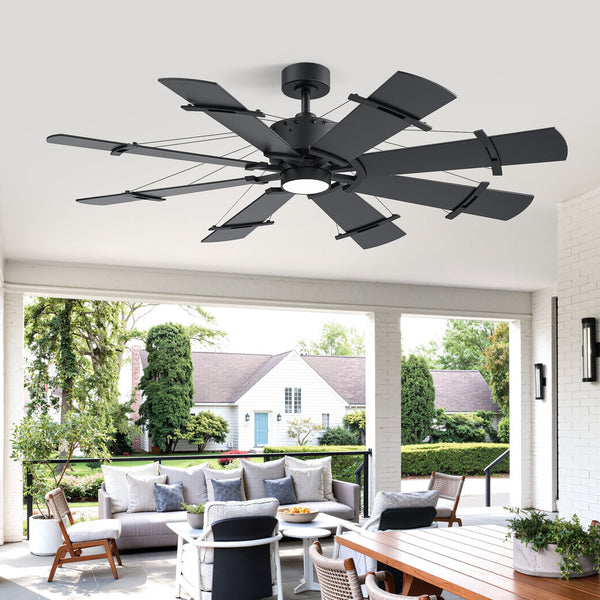
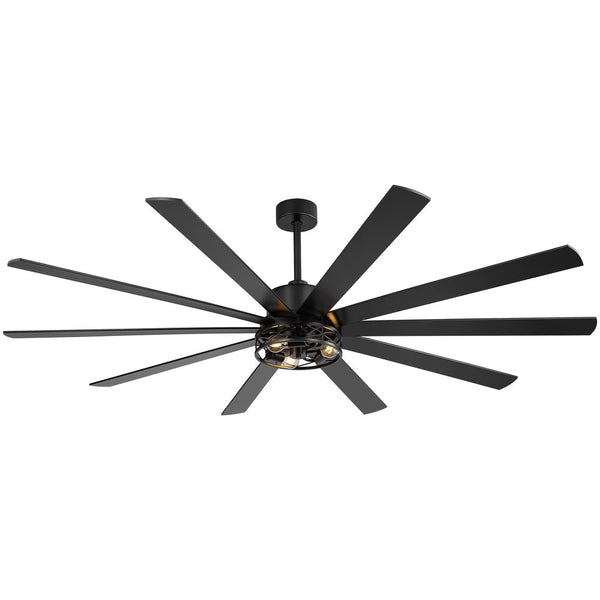
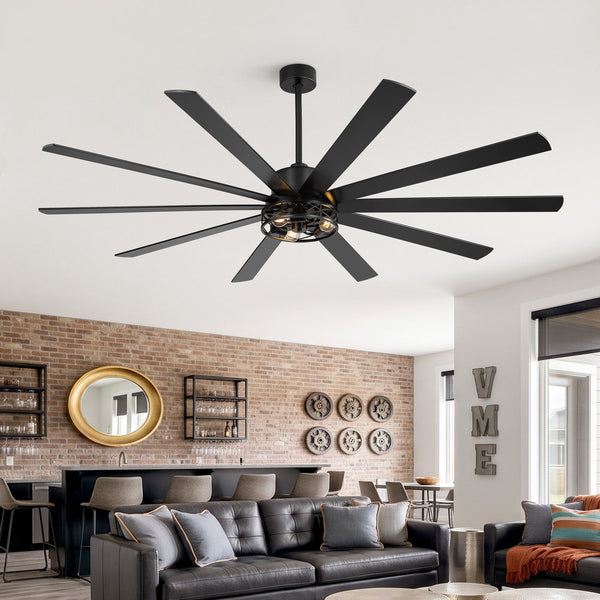
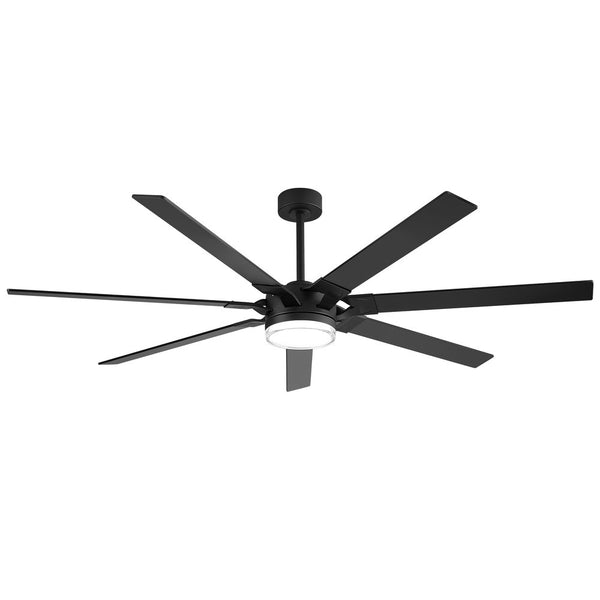
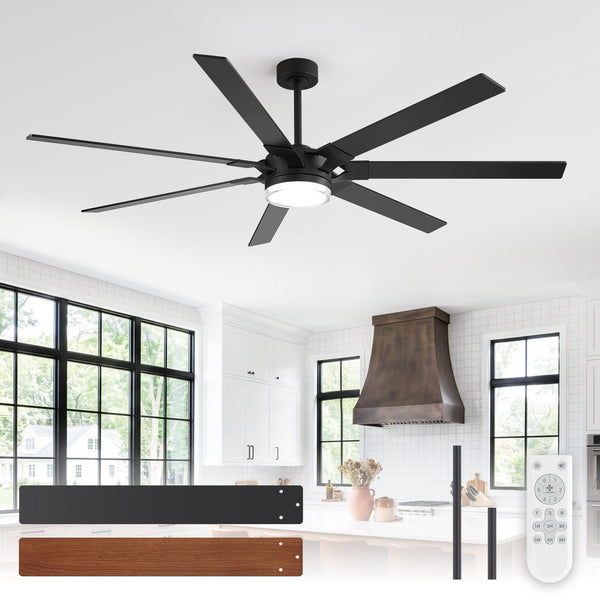
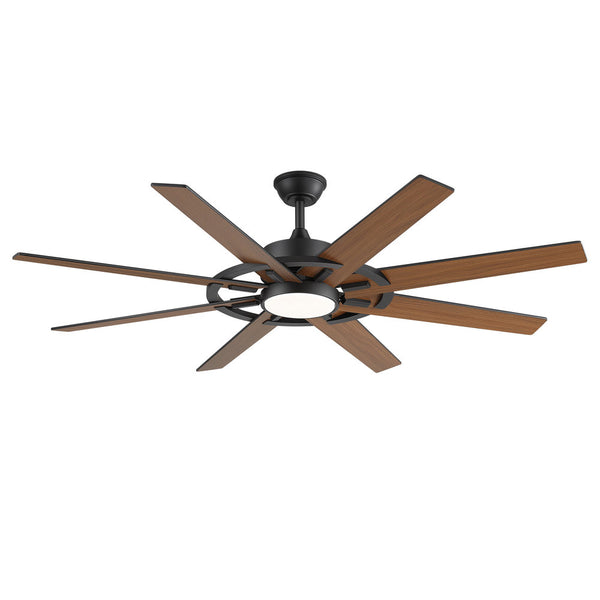
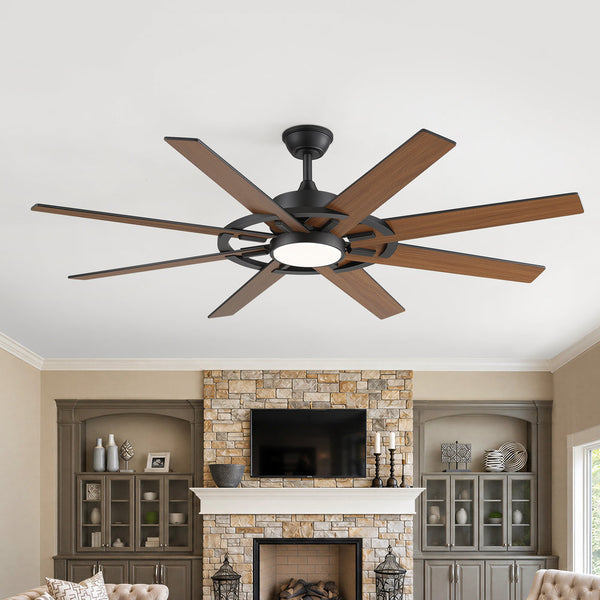

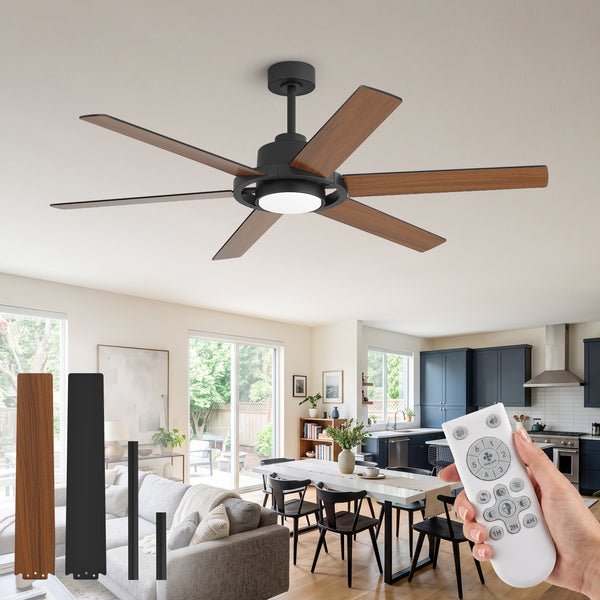
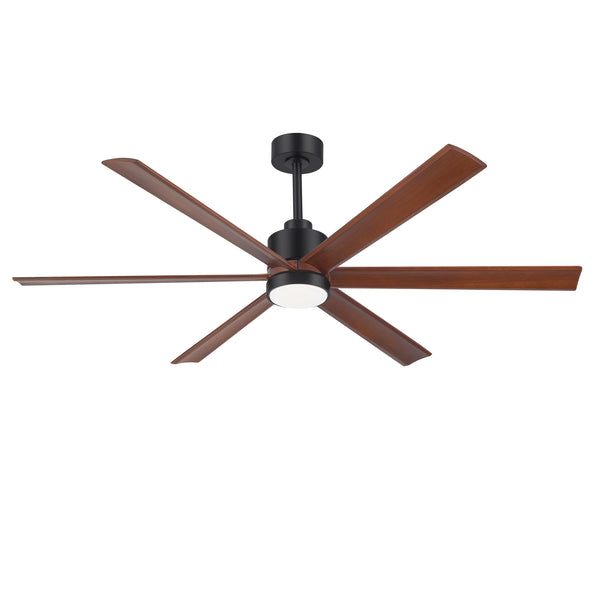
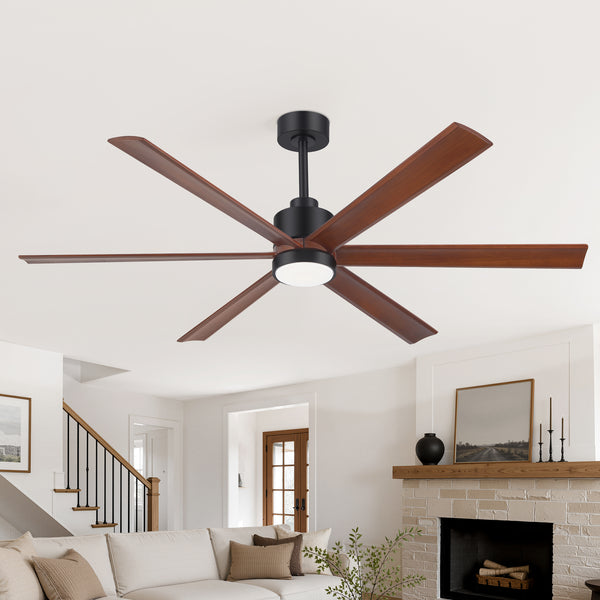
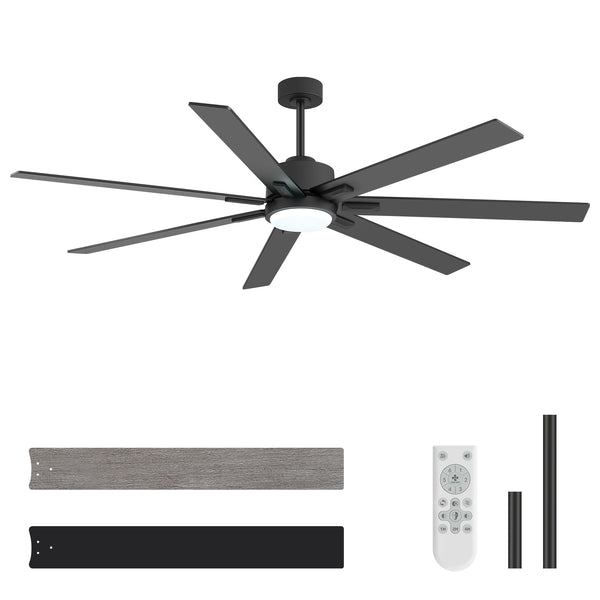
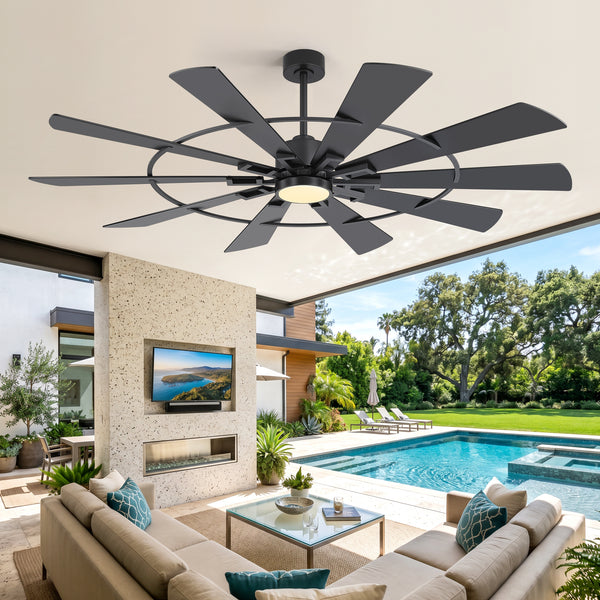
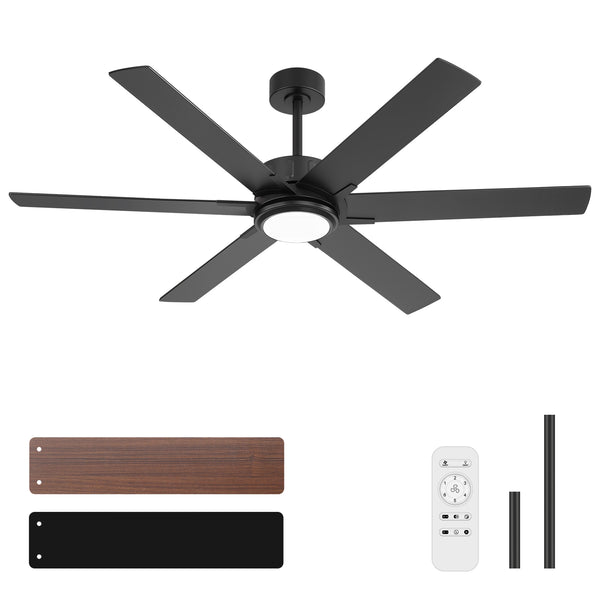
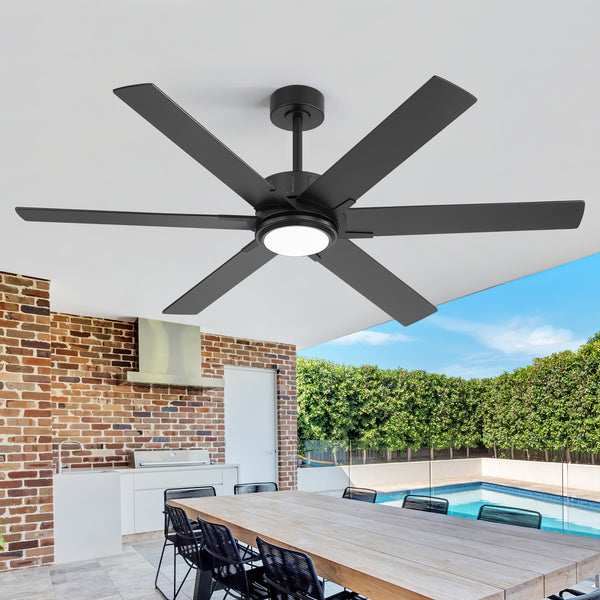
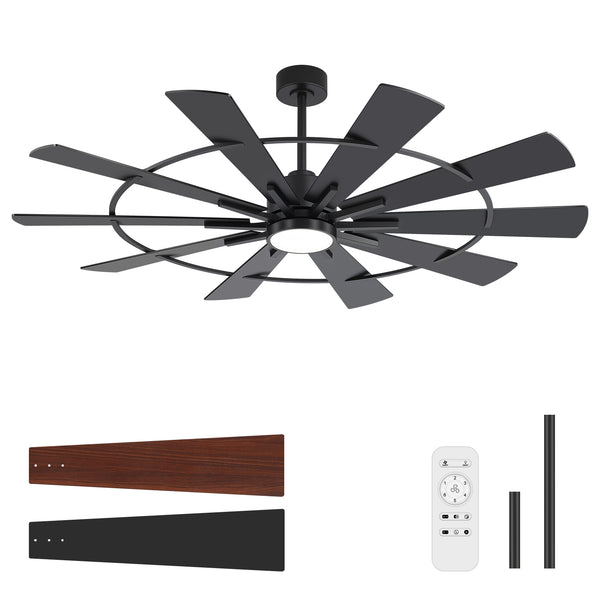
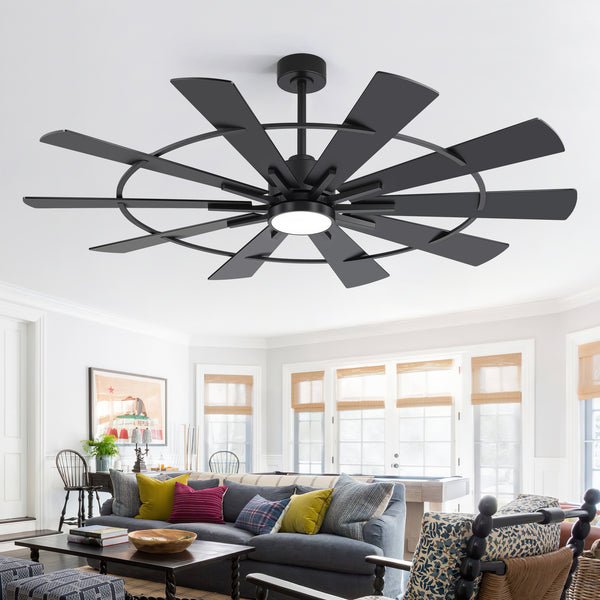
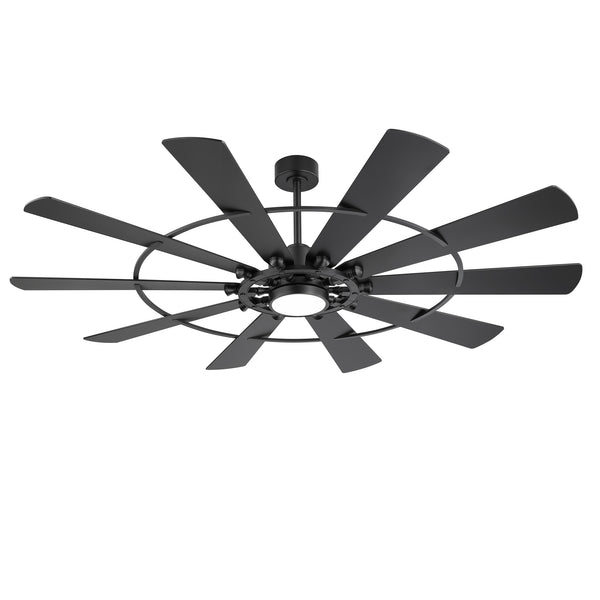
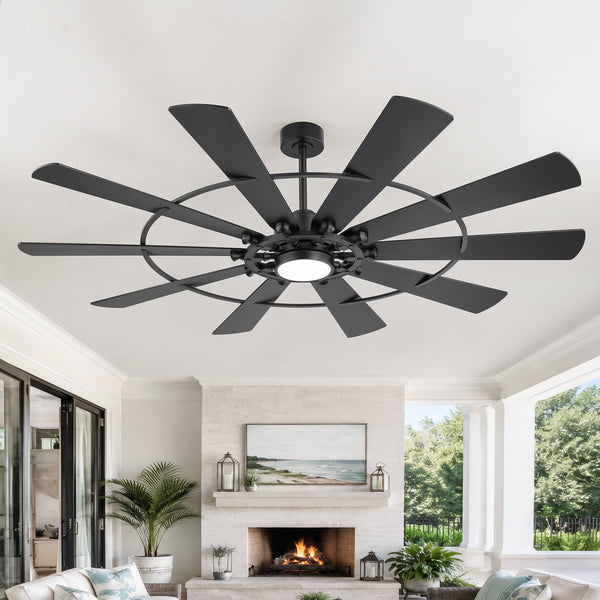
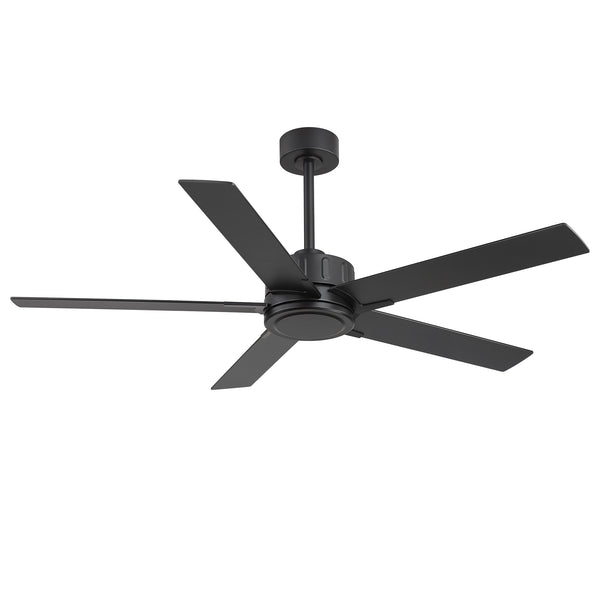
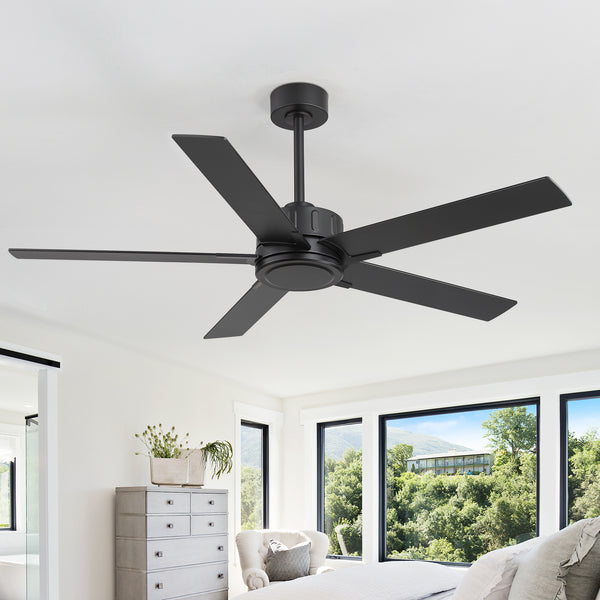
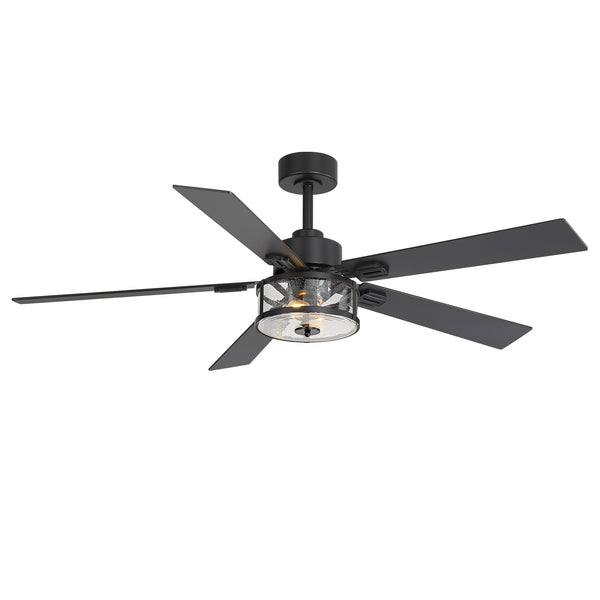
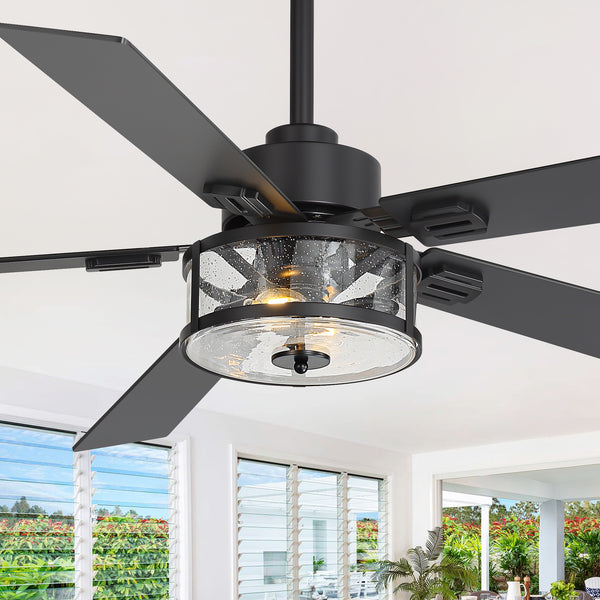
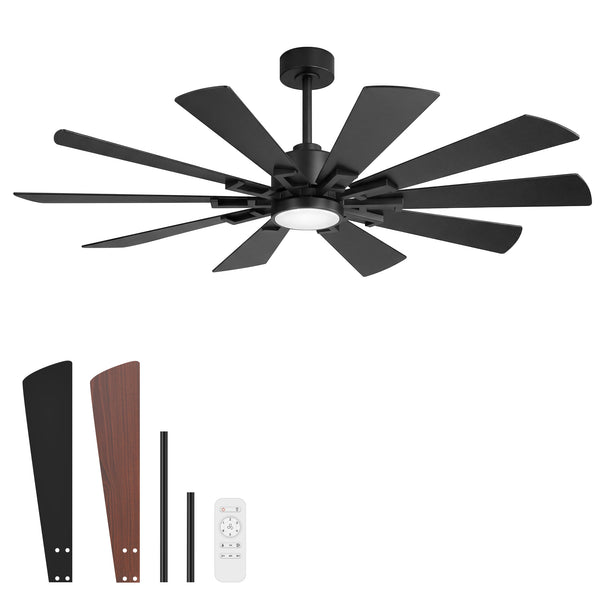
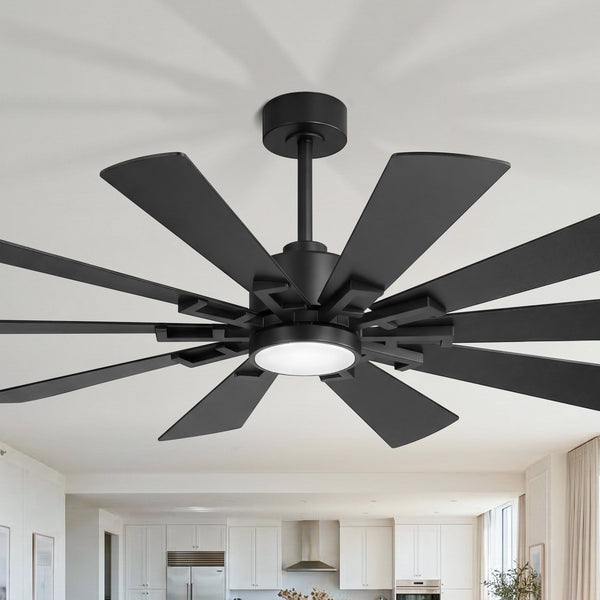
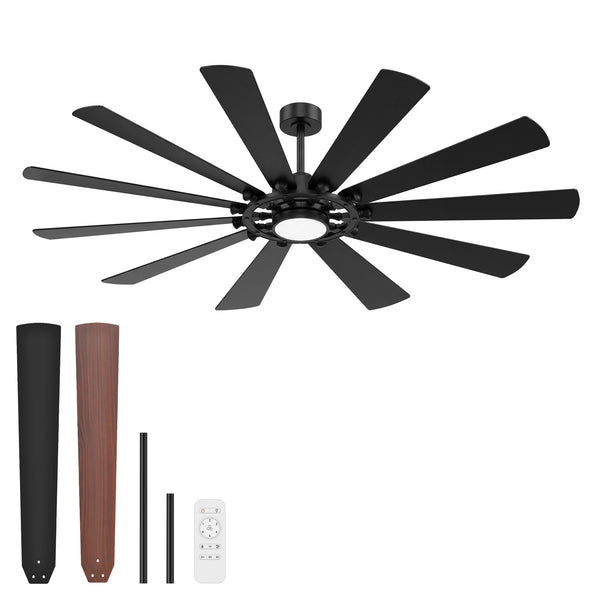
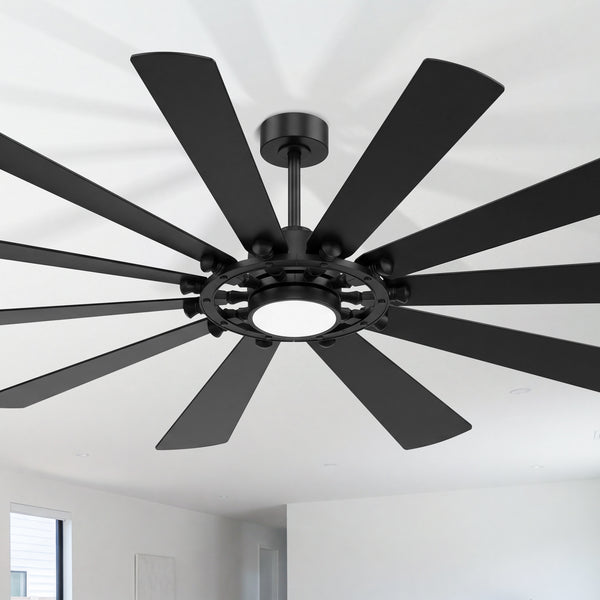
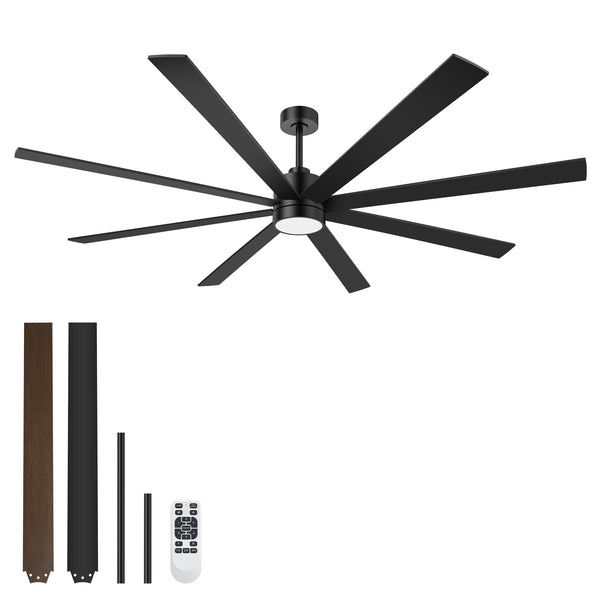
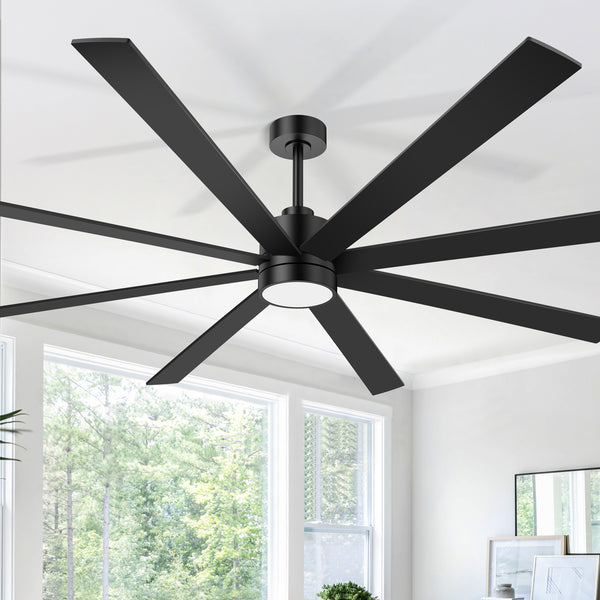
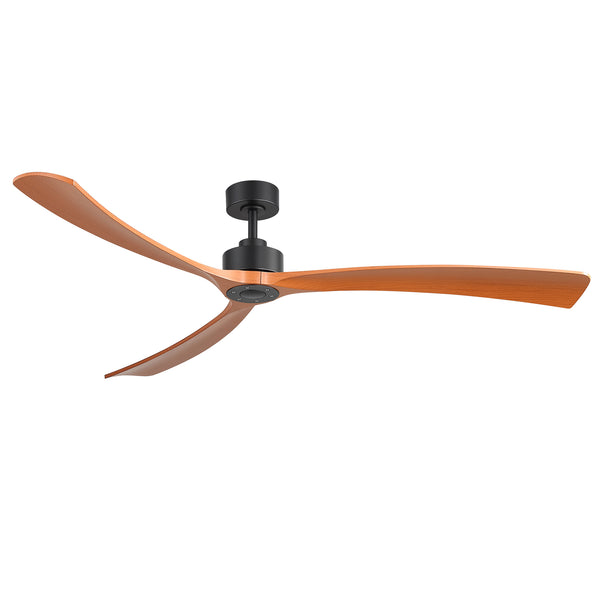
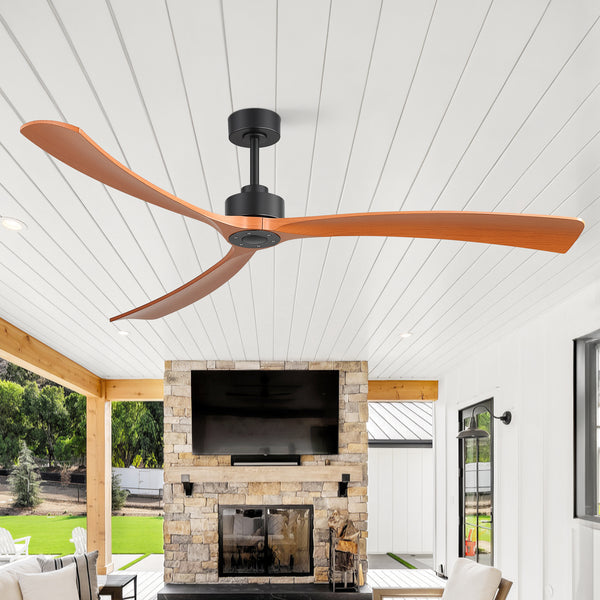
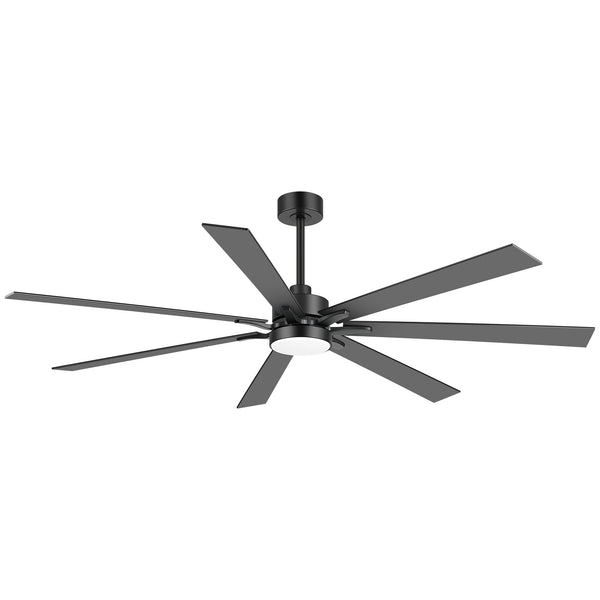
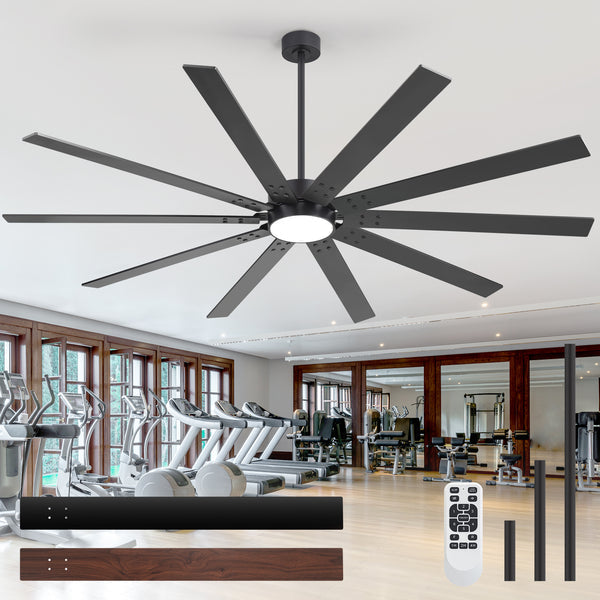
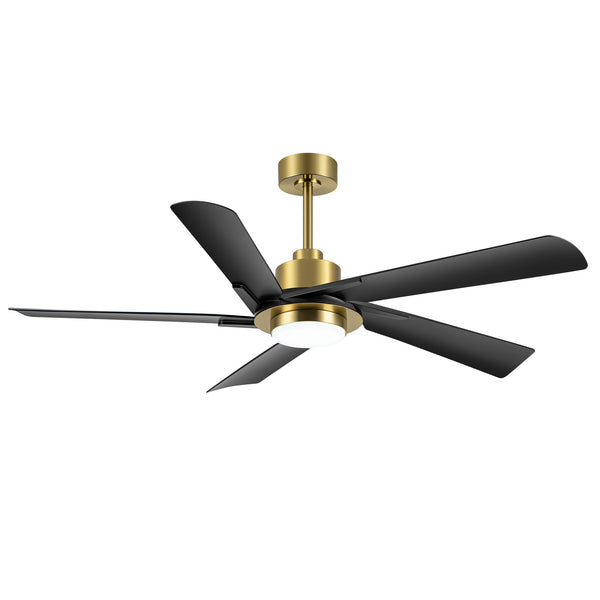
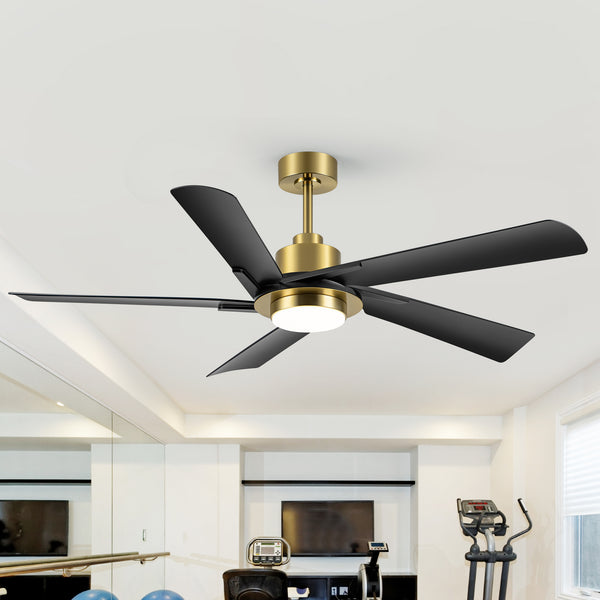
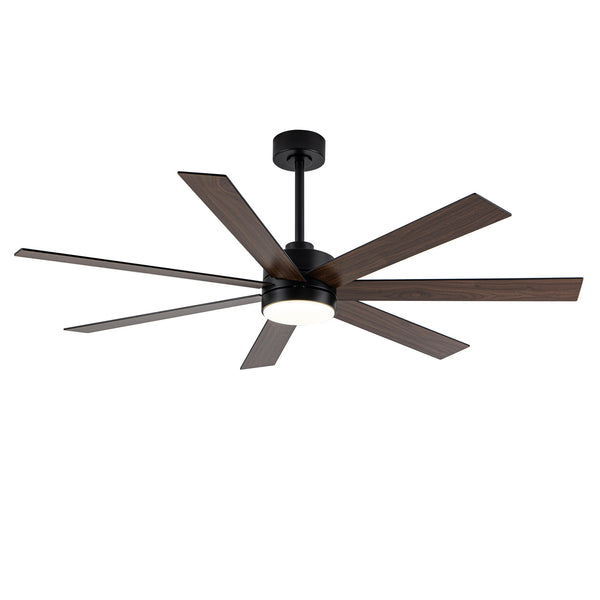
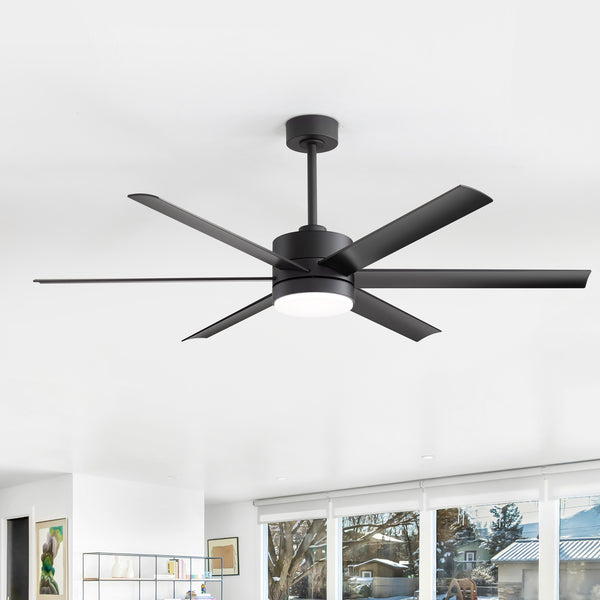
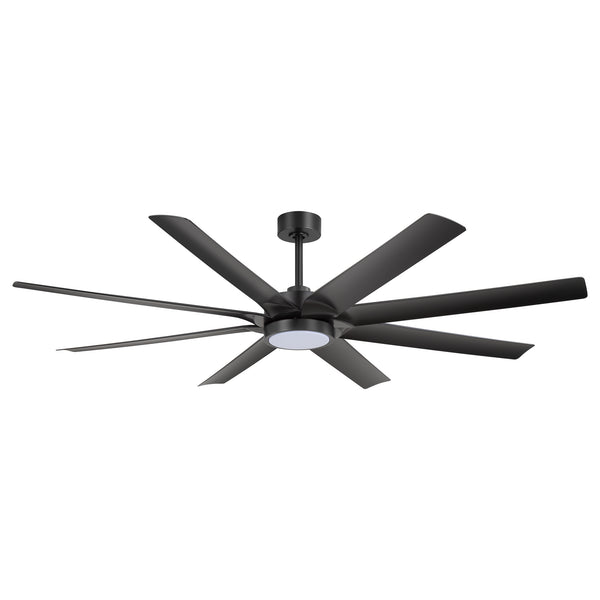
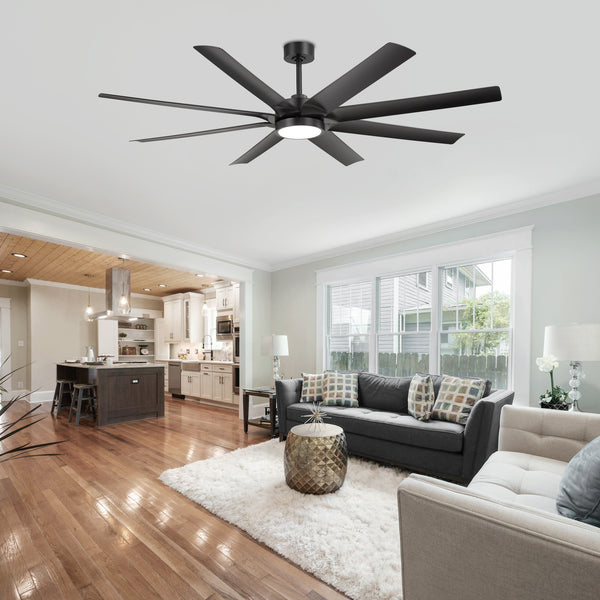
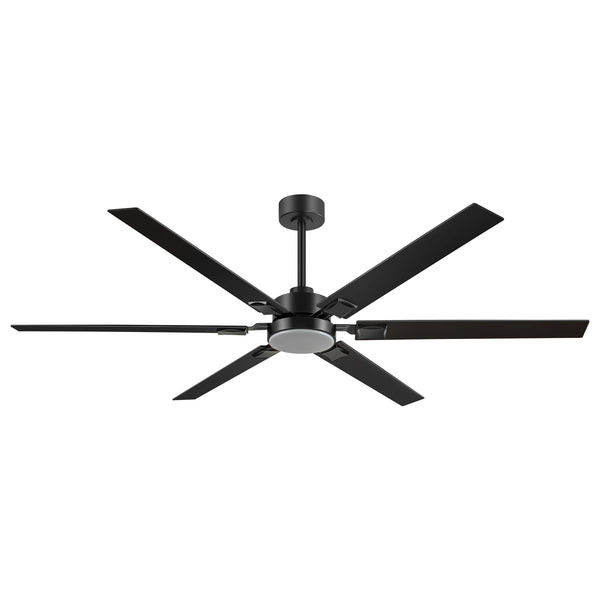
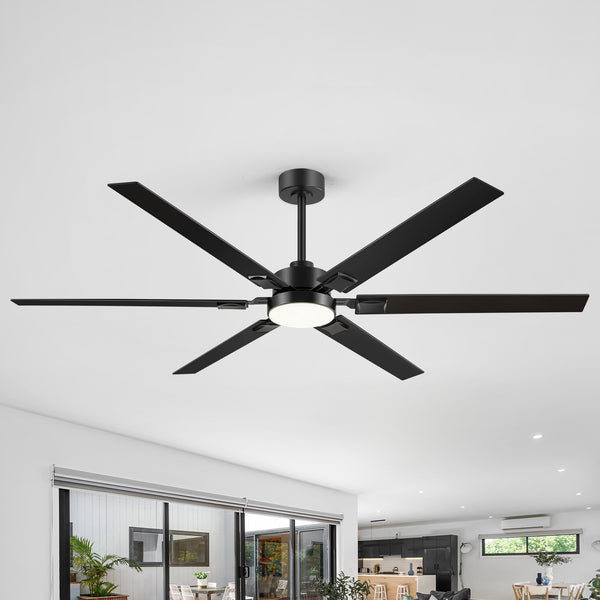
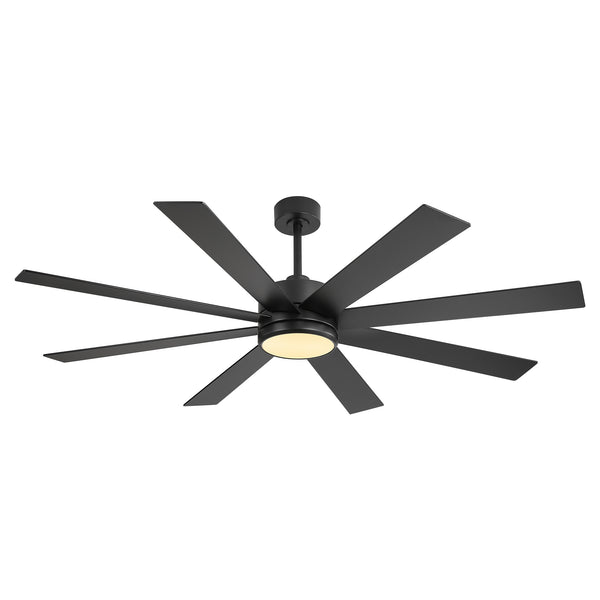
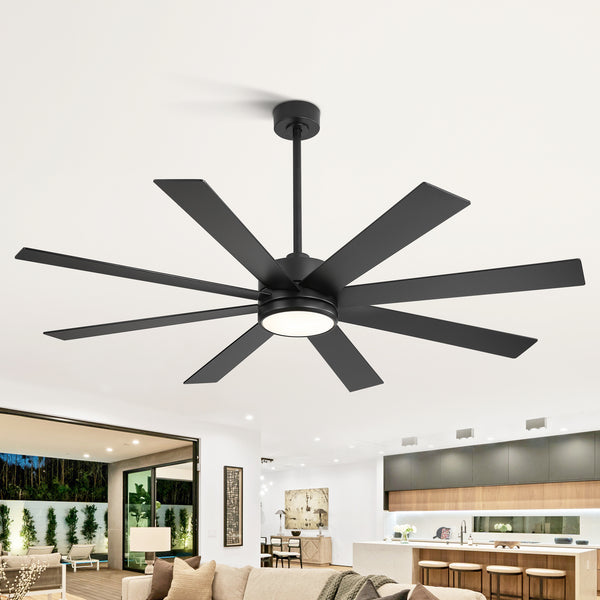
Shop Large Living Room Ceiling Fans by Ceiling, Light & Style
Lighting & Control
How to Plan Ceiling Fans for a Large Living Room
The fan's main job is cooling the people on the sofa. Find the seating area you use most, then size and place the fan for that zone rather than the whole floor plan. Long or L-shaped rooms may need a second fan instead of a bigger one.
Size the fan to the seating zone
Measure the part of the room people actually use: the sofa, chairs, coffee table and the path around them. In an open plan, that zone is smaller than the full floor. Size the fan for it, and make sure the blade sweep stays clear of beams, shelving and built-ins.
Hang it for the sofa, not the TV wall
Center the fan over the main seating instead of the middle of the floor plan. Set it back from the TV wall. An extra-large fan there can crowd the view, and a fan light can reflect off the screen. Also check that it won't fight a chandelier for the same spot.
Know when two fans beat one
One fan suits a regular room with one seating area and a clear center. Plan on two when the room is long or L-shaped, when beams split the ceiling, or when sitting and dining areas are separate. Each fan needs its own fan-rated box, and each remote should run only its own fan.
Test a 72-inch fan before you commit
A 72-inch fan can suit a broad seating area, an open plan or a taller ceiling. In a smaller enclosed room, it can dwarf the furniture. The sizing chart pairs 60–72 in. with rooms of 350–500 sq. ft. Check that the full span clears walls, beams and lights before you order.
Favor comfort at low speed
Living room fans often run for hours during movies and conversation, so the gentle settings matter more than the top one. A strong draft across the sofa gets tiresome fast. Look for several speeds and a remote you can reach from your seat; DC motors often give you more speed steps than AC motors.
| Your ceiling | Start with |
|---|---|
| Around 8 feet or lower | A large flush-mount fan. |
| Standard height | A downrod fan, checked for its total drop. |
| Tall and flat | A longer downrod; extensions come in 24, 36, 48, 60 and 72 inch lengths. |
| Vaulted or sloped | A model rated for your ceiling's slope. |
Sit where you usually watch TV and look up at the planned fan spot; a fan light there may glare off the screen.
Large Living Room Ceiling Fans FAQs
What size ceiling fan does a large living room need?
It depends on the floor area. A living room of 200–350 sq. ft. calls for a 52–60 in. fan, and one of 350–500 sq. ft. for 60–72 in. Past 500 sq. ft., choose 72 in. or larger, or use two fans. In an open plan, size each fan for the seating zone it serves.
Is a 72-inch ceiling fan too big for a living room?
Not in a room that is big enough. A 72-inch fan sits at the top of the chart's range for 350–500 sq. ft. and suits wide seating areas and open plans. In a smaller enclosed room it can overpower the furniture and push too much air at the sofa, so measure the clearance first.
Should a large living room have one ceiling fan or two?
One fan is enough when the room is regular in shape with a single seating area. Two fans work better in a long, L-shaped or beam-divided room, or where seating and dining are separate zones. Buying the same model for both keeps the look consistent, and each needs its own mounting point.
Where should a ceiling fan go in a living room with a TV?
Over the main seating, set back from the TV wall. That puts the breeze on the people watching and keeps the blades out of the line of sight. If the fan has a light, check that it won't reflect in the screen, and keep it apart from other ceiling fixtures.
Should large living room ceiling fans have a light?
Usually, if the fan takes over the room's main ceiling light point. A fan light can cover the seating area, ideally with dimming for movie nights. If recessed lights or a chandelier already light the room on their own switch, a fan-only model gives you a tidier ceiling.
How much CFM does a large living room fan need?
No one figure fits every room. Compare the published CFM of the models that fit your room, at the same speed setting, rather than guessing from diameter or blade count. Check the low speeds as well, because a gentle setting over the sofa matters as much as the top figure.


